
Why HDPE Shade Nets Are Essential for Modern Agriculture
Release time: 2026-06-12
Table of Contents
Modern farming faces unprecedented challenges. As global temperatures soar and weather patterns become increasingly unpredictable, finding effective, sustainable ways to protect crops is paramount for commercial growers. Sunscald, severe dehydration, and physical damage from erratic storms can decimate an entire season’s harvest in a matter of days. Among the most reliable and innovative solutions to combat these environmental stressors is the HDPE shade net. This robust material has completely transformed how cultivators manage their microclimates, ensuring better yields, healthier plants, and optimized resource allocation.
In this comprehensive guide, we will explore the science behind these essential agricultural textiles, their core benefits, and why integrating them into your farming infrastructure is a critical step toward future-proofing your agribusiness.
The Science and Strength Behind the Material
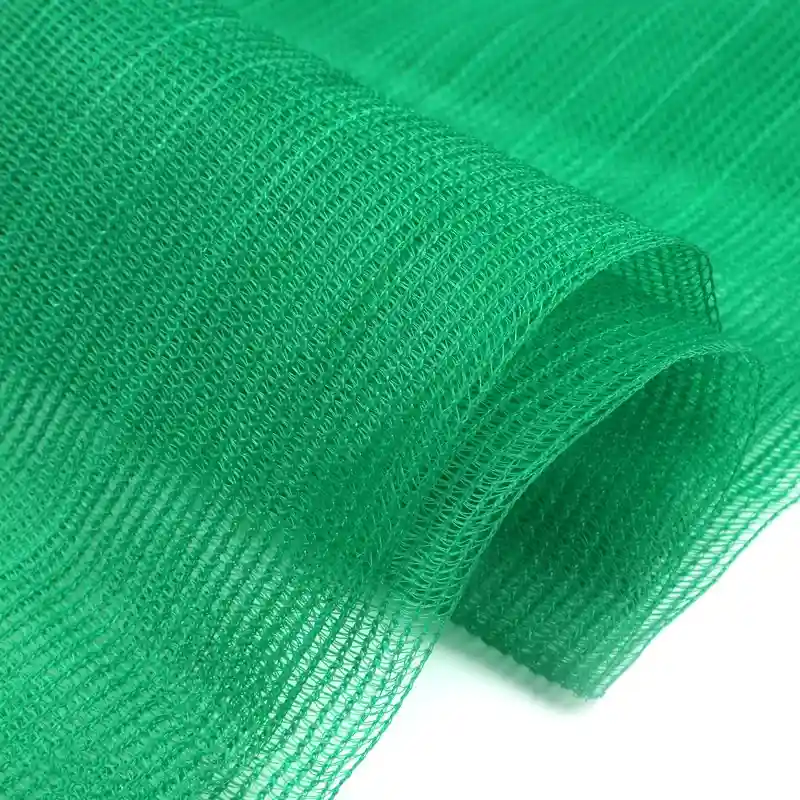
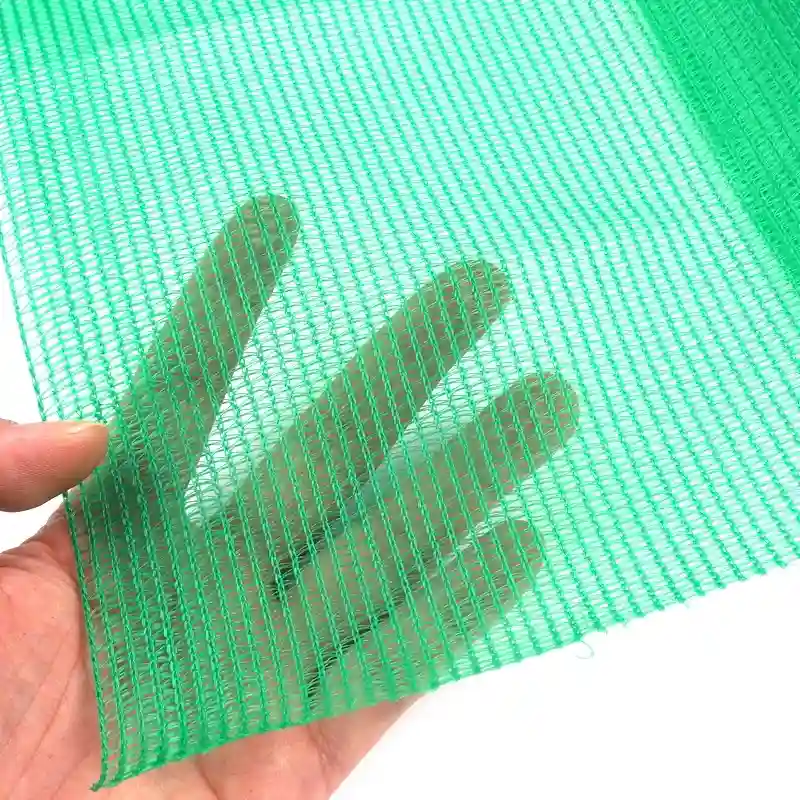
High-Density Polyethylene (HDPE) is a highly durable, versatile thermoplastic polymer known for its remarkable strength-to-density ratio. When manufactured into farming shade solutions, the material is either knitted or woven to create a resilient mesh. The knitting process, in particular, ensures that the fabric will not unravel if it is accidentally torn or cut, providing longevity in harsh outdoor environments.
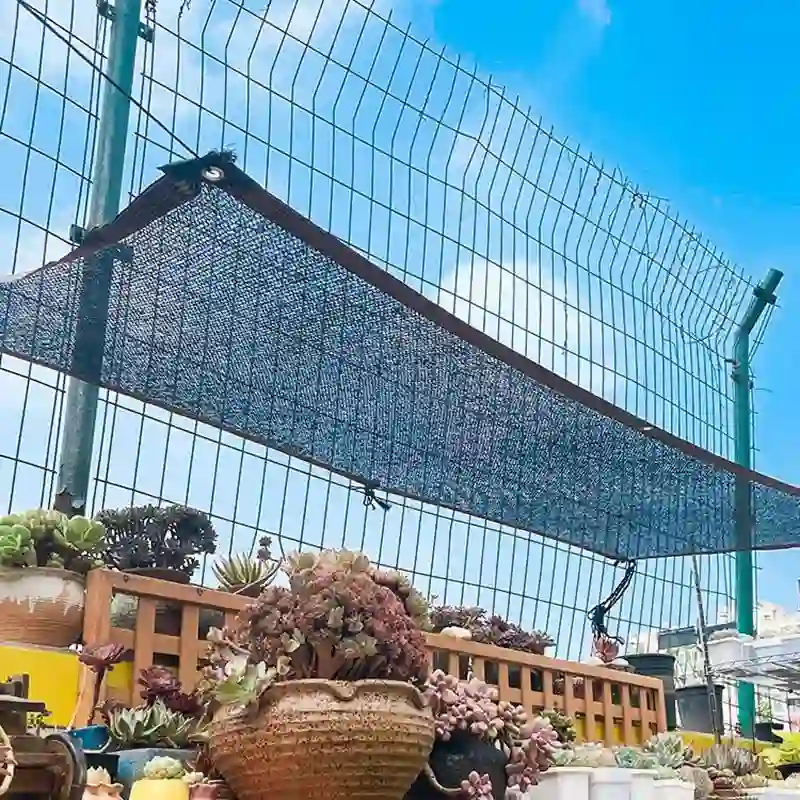
By utilizing UV-stabilized crop protection screens, farmers can effectively block harmful ultraviolet radiation while allowing the exact spectrum of light necessary for optimal photosynthesis to penetrate. This delicate balance is the cornerstone of managing temperature and humidity in farming. The breathable nature of the fabric allows hot air to escape from beneath the canopy, creating a ventilated microclimate where plants thrive rather than just survive in extreme heat.
Key Benefits of Implementing Shading Systems
The transition from traditional open-field farming to climate-controlled agriculture relies heavily on physical barriers. Here is why installing an agricultural shade net is considered an indispensable investment for modern agribusinesses:
1. Superior Temperature Regulation and Light Diffusion
Direct, harsh sunlight can cause severe leaf burn, stunt plant growth, and ruin the aesthetic and commercial value of produce. Utilizing a high-quality greenhouse shade cloth diffuses direct sunlight, scattering the light evenly across the plant canopy. This prevents the top foliage from getting scorched while ensuring lower leaves receive adequate illumination, directly contributing to improving crop yield with climate control fabrics.
2. Exceptional Water Conservation
One of the most profound, yet often overlooked, benefits of these netting systems is their ability to conserve water resources. By lowering the ambient and soil temperatures beneath the canopy, the evaporation rate of soil moisture drops dramatically. This is an absolutely vital strategy when reducing water evaporation in arid agricultural regions. Less frequent watering translates to lower irrigation costs, reduced energy consumption for pumping, and a stronger alignment with sustainable farming practices.
3. Protection from Physical Weather Damage and Pests
Beyond sunlight, crops face threats from sudden hailstorms, heavy torrential rain, and strong winds. A well-installed netting system acts as a shock absorber. For example, deploying heavy-duty netting for fruit orchards serves as a dual-purpose barrier. It shatters the impact of hail to protect tender blossoms and ripening fruits, while simultaneously deterring birds, bats, and large flying insects that can cause significant crop loss.
Choosing the Right Shading Percentage and Application
Not all plants require the same level of sun protection. The density of the mesh dictates the percentage of light that is blocked. Selecting the correct density is crucial for maximizing agricultural output.
Here is a quick reference table to help commercial growers select the appropriate configuration:
| Shading Percentage | Ideal Crop / Application Scenario | Primary Cultivation Benefit |
|---|---|---|
| 30% – 40% | Heat-tolerant vegetables (tomatoes, peppers, squash) | Reduces peak heat spikes while maximizing light transmission for fruiting. |
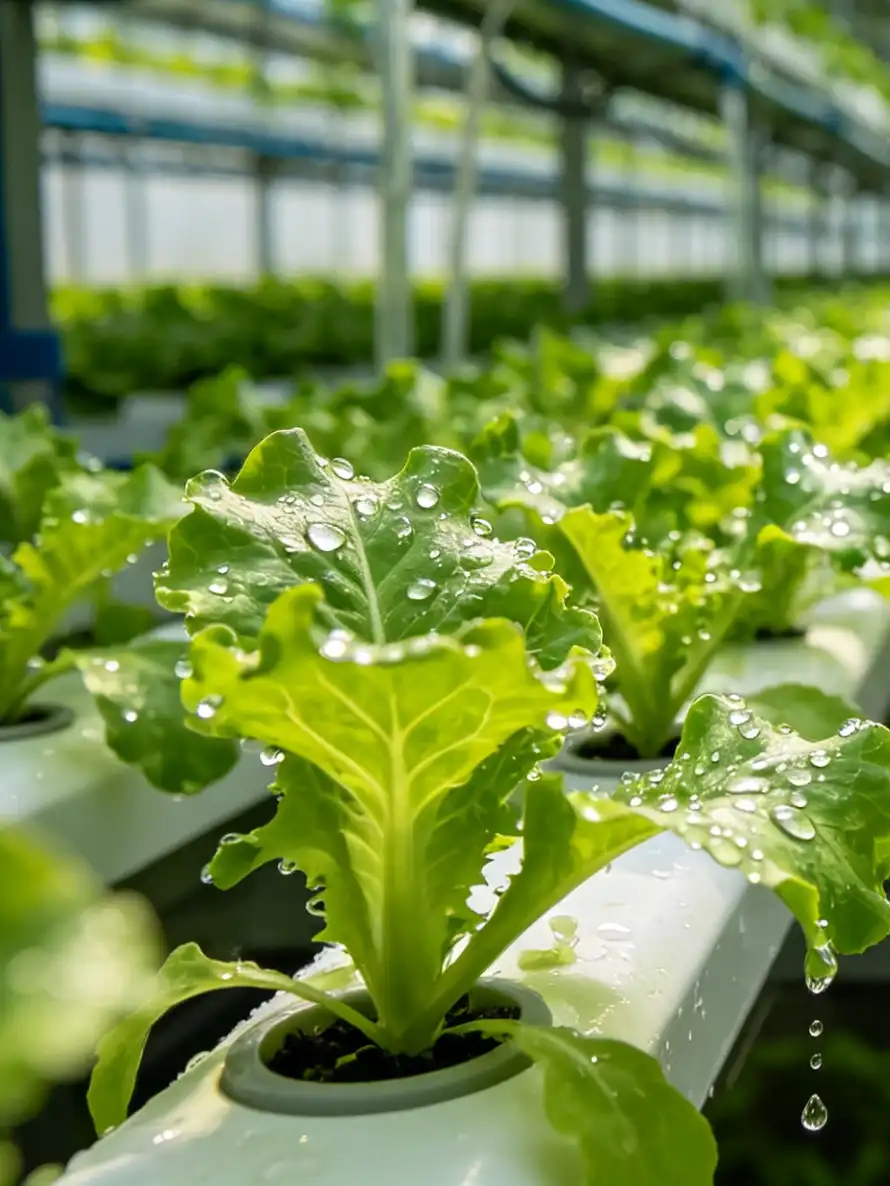
| 50% – 60% | Leafy greens (lettuce and spinach), nurseries, and seedlings | Balances light diffusion perfectly, preventing heat stress in delicate plants. |
| 70% – 80% | Orchids, ferns, coffee plants, and livestock shading | Provides deep shading and significant ambient temperature reduction. |
| 90%+ | Ginseng, agricultural personnel rest areas, privacy fencing | Maximum UV block, used for highly sensitive crops or structural shading. |
The Importance of Photoselective Colors
Modern agricultural textiles are no longer limited to standard black or green. The color of the fabric can actively influence plant physiology—a concept known as photoselectivity.
- Black Nets: The most common and cost-effective option. They provide excellent shade and durability but absorb heat, meaning proper ventilation is required.
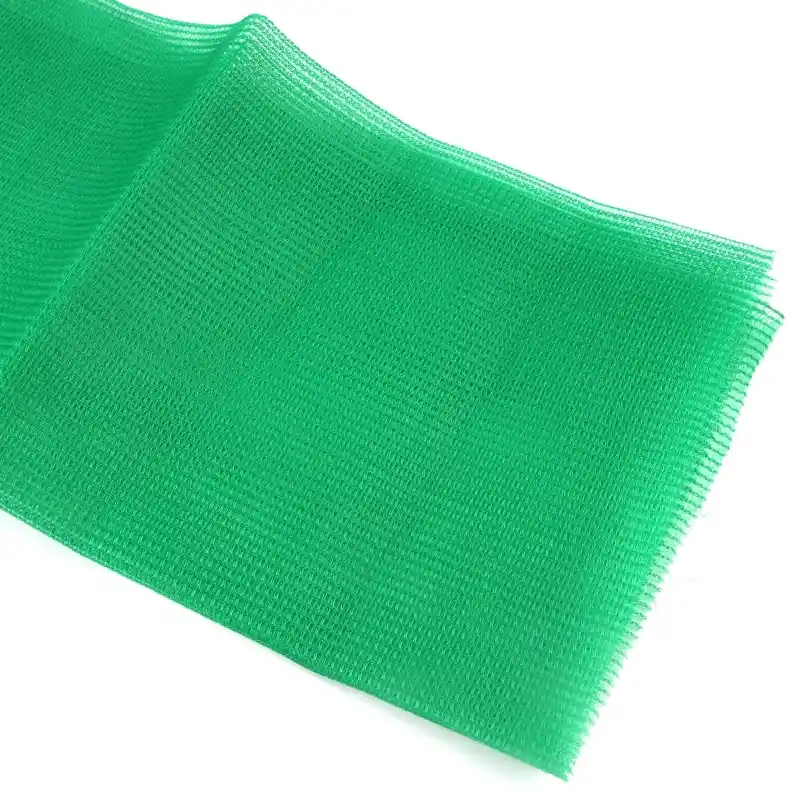
- Green Nets: Often used in commercial nurseries. They reflect green light and blend naturally with the environment, providing a balanced spectrum for general vegetative growth.
- White and Aluminized Nets: These are highly reflective. They bounce sunlight away, providing dramatic cooling effects inside enclosed structures. They are excellent for diffusing light deeply into the plant canopy without altering the light spectrum.
Partnering with Reliable Manufacturing Experts
Large-scale agribusinesses require tailored, scalable approaches. Off-the-shelf products rarely meet the specific geographic and climatic demands of a multi-acre farm. Investing in customizable shading solutions for commercial farming allows growers to specify the exact dimensions, reinforcement edges, grommet spacing, colors, and shading rates needed.
As a leading innovator in agricultural protection materials, Powerician engineers advanced textiles designed to withstand years of harsh environmental exposure. By leveraging state-of-the-art manufacturing techniques, Powerician ensures that every roll of netting provides consistent UV resistance and structural integrity. Cultivators who partner with trusted brands like Powerician gain access to premium-grade materials that guarantee a long-term return on investment, reducing the need for frequent replacements.
Conclusion
Ultimately, integrating an agricultural shade net into modern cultivation strategies is no longer a luxury—it is an absolute necessity for economic survival and growth. From the strategic deployment of a specialized greenhouse shade cloth over enclosed commercial structures to sprawling open-field canopies utilizing a premium HDPE shade net, these tools empower farmers to defy climatic adversities. By controlling the environment, minimizing water usage, and protecting against physical damage, growers can ensure consistent, high-quality harvests season after season.
Frequently Asked Questions (FAQs)
Q1: How long do high-density polyethylene shading fabrics typically last in outdoor farming conditions?
A: When manufactured with high-quality UV stabilizers, commercial-grade polyethylene nets can last anywhere from 5 to 8 years, even in regions with intense sunlight. The lifespan depends on the quality of the installation, ensuring it is taut to prevent wind whipping, and proper winter storage if the net is used seasonally.
Q2: Can shading nets completely protect my crops from heavy rain and severe hail?
A: While they are not waterproof (as they are designed to be breathable), dense knitted meshes significantly reduce the velocity and impact of heavy raindrops and hail. They shatter the hail upon impact, allowing only smaller, harmless ice particles or gentle water droplets to reach the crops below, preventing mechanical damage to the leaves and fruits.
Q3: Does the installation angle of the netting affect its performance?
A: Yes. For structures like greenhouses or hoop houses, installing the fabric with a slight pitch is recommended. This prevents water from pooling on top of the mesh during heavy rains, which could otherwise stretch the fabric or collapse the supporting framework under excess weight. Proper tensioning and angled installation ensure maximum durability and effectiveness.