Nylon vs. Plastic Bird Netting: Why 0.38mm Nylon is the Best Choice for Orchard Protection
Release time: 2026-06-22
Table of Contents
Protecting your orchard from avian pests is a critical step in ensuring a bountiful harvest. Birds can decimate crops, leading to significant financial losses. When it comes to safeguarding your valuable fruits, selecting the right bird netting is paramount. The market generally offers two primary materials: nylon and plastic (typically polyethylene). While both serve the fundamental purpose of keeping birds away, the differences in durability, longevity, and overall effectiveness are substantial. This comprehensive guide explores why nylon, specifically the 0.38mm nylon bird netting, stands out as the superior choice for professional orchard protection.
Understanding the Contenders: Nylon and Plastic
Before diving into the specifics of why nylon reigns supreme, it’s essential to understand the basic characteristics of both materials used in agricultural netting.
Plastic Bird Netting (Polyethylene)
Plastic netting, often made from high-density polyethylene (HDPE) or similar polymers, is widely available and often appeals to growers due to its initial lower cost. It is lightweight and easy to handle during installation. However, plastic nets are generally extruded or woven from thinner strands. While UV-stabilized versions exist, they are inherently more susceptible to degradation from harsh sunlight, fluctuating temperatures, and physical stress. Over time, plastic netting can become brittle, leading to tears and requiring frequent replacement. It’s often considered a temporary or light-duty solution.
Nylon Bird Netting
Nylon is a synthetic polymer renowned for its exceptional strength and resilience. Unlike plastic, nylon netting is typically multifilament, meaning each strand is composed of several tightly woven fibers. This construction provides superior tensile strength and resistance to abrasion. Nylon is inherently more robust against environmental factors and physical wear and tear. It absorbs energy well, meaning it can stretch slightly without breaking under sudden loads, such as high winds or heavy bird impact. This makes durable nylon anti bird netting a long-term investment for serious agricultural operations.
The Case for 0.38mm Nylon: Unmatched Durability
When evaluating nylon options, the thickness of the twine plays a crucial role. While thinner nets might seem sufficient for smaller birds, they lack the robust qualities needed for comprehensive orchard defense. This is where 0.38mm nylon bird netting truly shines.
The 0.38mm thickness strikes the perfect balance between strength, visibility, and weight. It is substantial enough to deter even the most persistent and aggressive bird species without being overly heavy or difficult to deploy over large canopies. The inherent strength of the 0.38mm multifilament twine ensures that the netting can withstand the rigors of outdoor use, including tension during installation, wind load, and accidental snags on branches.
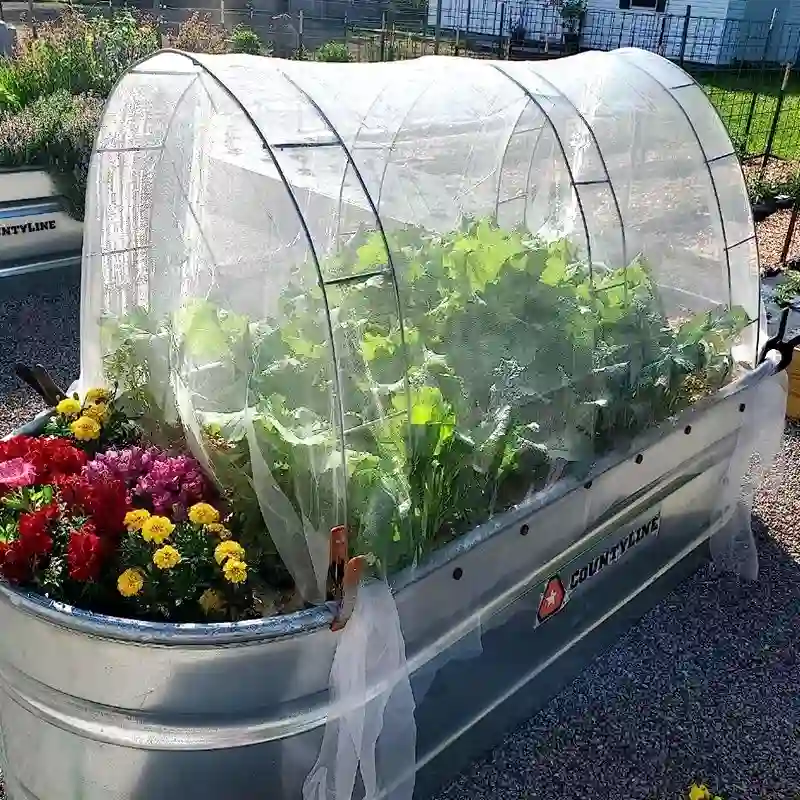
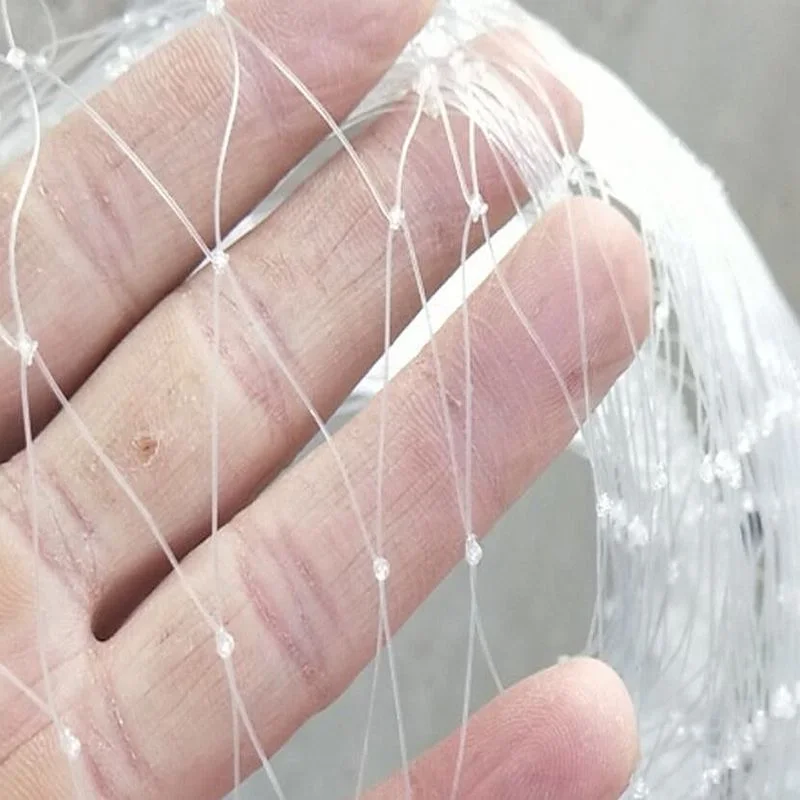
Choosing a heavy-duty option like the 0.38mm variant means you are investing in a product that will last multiple seasons. It resists the tearing and fraying common with cheaper, thinner plastic alternatives. For commercial orchards, this longevity translates directly into reduced labor costs for replacement and minimized crop loss due to net failure.
Key Advantages of Nylon Over Plastic
The superiority of nylon, particularly the robust 0.38mm gauge, can be broken down into several key advantages:
1. Exceptional Tensile Strength
Nylon’s molecular structure provides incredible tensile strength. It can bear significantly more weight and tension than plastic netting of the same gauge. This means the net is less likely to sag over time or break under the strain of heavy winds or accumulating debris. This structural integrity is vital for maintaining a continuous, impenetrable barrier over your crops. For heavy-duty applications, a high strength nylon mesh is essential.
2. Superior UV Resistance and Longevity
While both nylon and plastic nets can be treated with UV inhibitors, nylon inherently withstands prolonged sun exposure better than most agricultural plastics. Plastic netting, even when UV-treated, eventually degrades, becoming brittle and prone to shattering. High-quality nylon netting retains its strength and flexibility much longer, ensuring reliable protection season after season. This extended lifespan makes nylon a more cost-effective choice in the long run.
3. Abrasion and Tear Resistance
Orchard environments are not gentle. Netting must withstand rubbing against rough branches, trellis systems, and the occasional handling by workers. Nylon’s tough, multifilament construction makes it highly resistant to abrasion and tearing. Even if a small puncture occurs, the woven structure of nylon often prevents the tear from rapidly expanding, unlike plastic netting, which can “run” or unravel quickly once damaged. This makes it a highly resilient fruit tree netting.
4. Better Drape and Manageability
Nylon netting generally has a softer “hand” or feel compared to rigid plastic nets. This allows it to drape more naturally over uneven canopies without creating sharp pressure points that could damage delicate fruit or foliage. Despite its strength, 0.38mm nylon is relatively supple, making it easier for work crews to manipulate and secure during the demanding installation process. This flexibility is a key feature of effective vineyard bird exclusion nets.
5. Knot Stability
Professional-grade nylon bird netting is often knotted rather than extruded or simply woven. The knots in nylon netting hold fast, meaning the mesh size remains consistent even under tension. This prevents gaps from forming that birds could exploit. Plastic nets, especially cheaper extruded versions, can deform under stress, compromising the integrity of the barrier.
Comparing the Specs: Nylon vs. Plastic
To clearly illustrate the differences, let’s look at a comparative breakdown:
| Feature | 0.38mm Nylon Bird Netting | Typical Plastic (HDPE) Netting |
|---|---|---|
| Material Strength | Very High (Multifilament) | Moderate to Low (Extruded/Monofilament) |
| Durability/Lifespan | Long-term (Multiple Seasons) | Short-term (Often replaced annually) |
| UV Resistance | Excellent | Fair to Good (Degrades over time) |
| Tear Resistance | High (Knotted structure resists runs) | Low (Prone to expanding tears) |
| Initial Cost | Higher | Lower |
| Long-Term Value | Excellent (Lower replacement costs) | Poor (Frequent replacement required) |
| Best Application | Commercial orchard protection, vineyards | Home gardens, temporary coverage |
Securing Your Investment with Powerician
When selecting netting for your agricultural enterprise, relying on a trusted manufacturer is crucial. Powerician understands the unique challenges faced by orchard managers. They recognize that inadequate protection leads directly to profit loss. By choosing high-quality materials, such as the robust 0.38mm nylon, growers can ensure their harvest is protected by a reliable, long-lasting barrier. Investing in superior netting from a reputable source like Powerician provides peace of mind and secures the return on your agricultural investment.
Conclusion
The choice between nylon and plastic bird netting ultimately comes down to prioritizing short-term savings versus long-term value and reliability. While plastic netting might offer a lower upfront cost, its frequent need for replacement and susceptibility to damage make it a false economy for serious growers.
For robust, dependable, and long-lasting defense against avian pests, the choice is clear. The superior strength, exceptional durability, and extended lifespan of nylon, specifically the heavy-duty 0.38mm nylon bird netting, make it the undisputed best choice for professional agricultural netting solutions. By investing in high-quality nylon netting, orchard owners can confidently protect their crops, minimize losses, and ensure a more profitable harvest season after season.
Frequently Asked Questions (FAQs)
1. Is 0.38mm nylon netting too heavy for delicate fruit trees?
No. While it is incredibly strong, 0.38mm nylon is designed to provide heavy-duty protection without causing damage. Its flexible nature allows it to drape over canopies effectively. However, it’s always recommended to use proper support structures or tension lines to bear the primary weight of the net, keeping it slightly suspended above the most delicate foliage.
2. How long can I expect durable nylon anti bird netting to last compared to plastic?
High-quality, UV-stabilized nylon netting can easily last 5 to 10 years or more under normal agricultural conditions, depending on the intensity of UV exposure and physical wear. In contrast, many standard plastic nets begin to degrade within 1 to 2 seasons, becoming brittle and tearing easily.
3. Does black nylon netting absorb too much heat and damage crops?
Black is actually the preferred color for agricultural netting. It provides the best UV resistance because carbon black is a highly effective UV inhibitor. Furthermore, black netting blends into the background shadow of the canopy, making it less visually intrusive than bright white or green netting. The open mesh design allows for excellent airflow and light penetration, meaning heat buildup underneath the net is negligible and will not harm your crops.