





How Custom Shade Sails Improve Outdoor Comfort and Energy Efficiency
Release time: 2026-05-28
Table of Contents
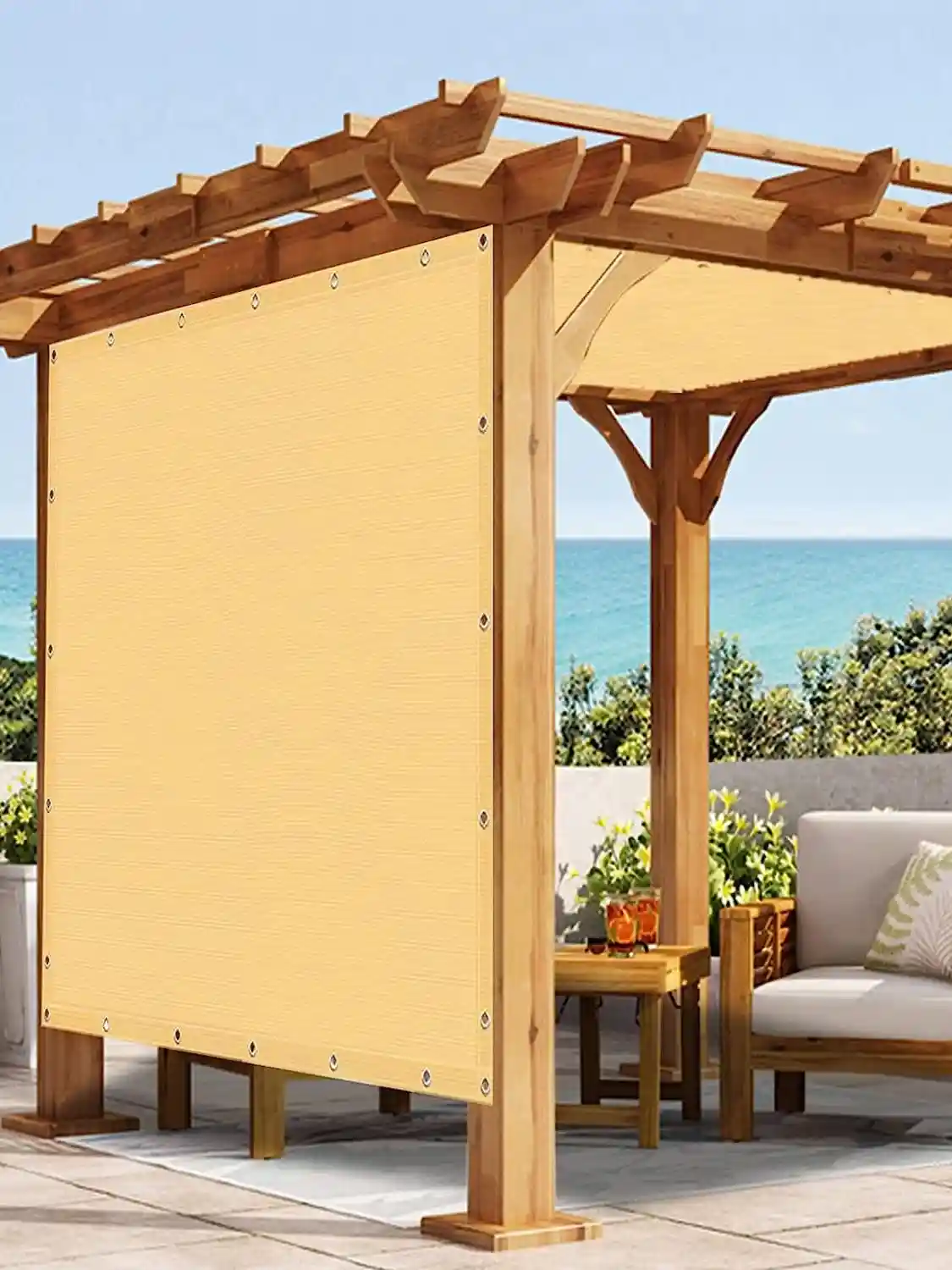
Creating a comfortable and inviting outdoor space often comes down to one crucial element: shade. Whether you’re looking to relax on your patio, entertain guests in your backyard, or provide a cool retreat at a commercial property, finding the right outdoor cooling shade solution is essential. While umbrellas and pergolas have long been popular choices, a modern and highly effective alternative is increasingly taking center stage: the custom shade sail. These innovative structures offer a unique blend of aesthetic appeal, practical functionality, and surprising benefits for both comfort and energy efficiency.
This article delves into how these tailored shade solutions can transform your outdoor areas, significantly enhancing both your enjoyment of the space and your property’s overall energy performance.
The Evolution of Outdoor Shade
Historically, creating shade meant relying on natural elements like trees or constructing permanent, often bulky, structures. While effective, these methods lack flexibility. Enter the shade sail. Inspired by a ship’s sails, these tensioned fabric structures offer a versatile and visually striking way to block the sun’s harsh rays.
However, a standard, off-the-shelf shade sail might not fit every space perfectly or meet specific needs. This is where the true value of a custom shade sail becomes apparent. By tailoring the design, size, and material to your exact requirements, you maximize both the functional benefits and the visual impact.
Enhancing Outdoor Comfort: More Than Just Blocking the Sun
The primary function of any shade structure is, of course, to provide relief from direct sunlight. But a well-designed shade sail does much more than simply cast a shadow.
1. Significant Temperature Reduction
High-quality shade sail fabrics are engineered to block a substantial percentage of harmful UV radiation—often up to 98%. This dramatic reduction in direct sunlight translates to a noticeably cooler environment beneath the sail. It acts as an effective outdoor cooling shade solution, making previously unusable areas comfortable even during the peak heat of summer.
2. Breathability and Airflow
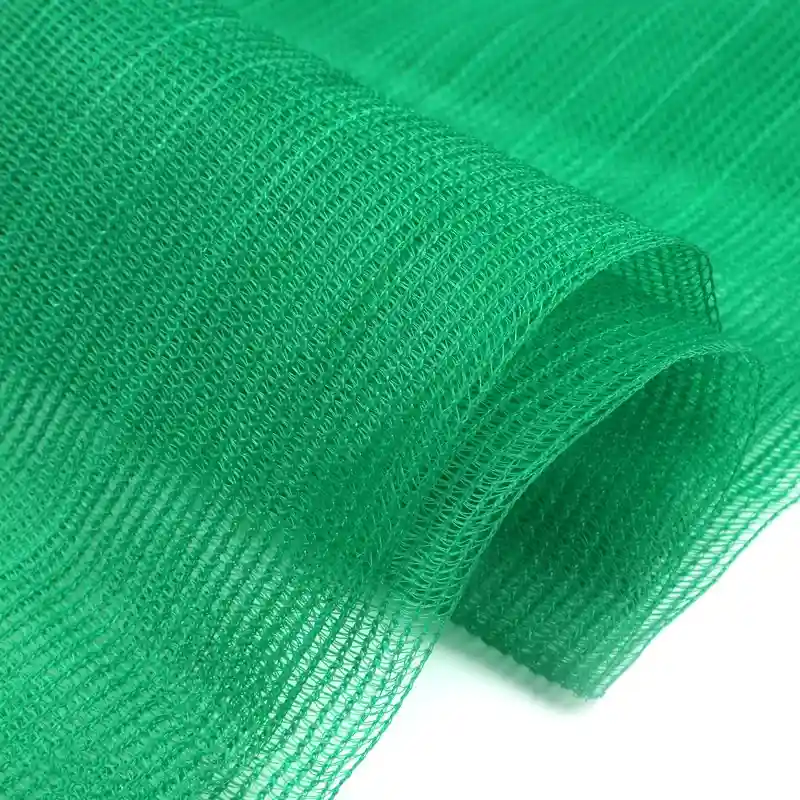
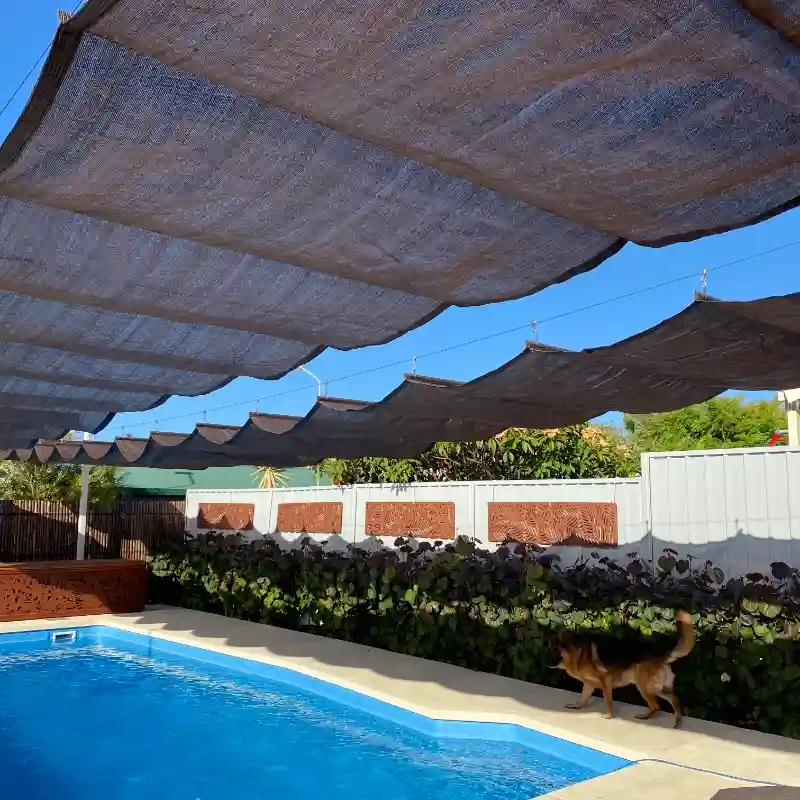
Unlike solid roofs or awnings, many shade sail materials are designed to be breathable. The knitted fabric allows hot air to escape upward through the material, preventing the “greenhouse effect” that can occur under solid structures. This continuous airflow contributes significantly to the cooling effect, creating a refreshing breeze even on still days.
3. Protection from the Elements (Beyond the Sun)
While sun protection is paramount, many homeowners and businesses also require shelter from unexpected showers. A customizable waterproof shade sail offers the perfect dual-purpose solution. These sails are constructed from specialized, densely woven fabrics or PVC materials that repel water, allowing you to enjoy your outdoor space rain or shine.
- Note on Waterproof Sails: It’s crucial that waterproof sails are installed with a sufficient pitch (angle) to ensure water runoff and prevent pooling, which can damage the fabric and the supporting structure.
4. Creating Distinct Functional Areas
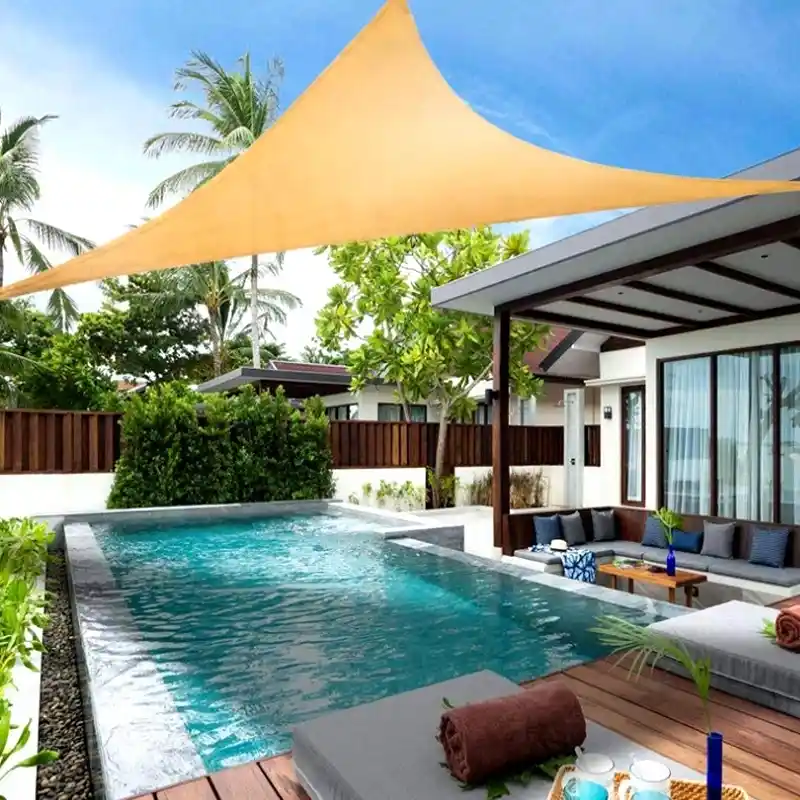
A strategically placed patio shade sail can define an outdoor “room.” It visually anchors a seating area, a dining space, or an outdoor kitchen, making the space feel more cohesive and intentional.
The Surprising Impact on Energy Efficiency
While the benefits to outdoor comfort are immediate and obvious, the impact of shade sails on indoor energy efficiency is often overlooked. When strategically positioned, these structures can significantly reduce your home’s or building’s cooling costs.
How Shade Sails Save Energy
- Reducing Solar Heat Gain: Windows and glass doors exposed to direct sunlight are major contributors to solar heat gain within a building. By installing a shade sail over these vulnerable areas, you effectively block the sun’s rays before they hit the glass.
- Lowering Ambient Temperature: By shading the walls and ground adjacent to your home, you lower the overall ambient temperature around the building. This means your air conditioning system doesn’t have to work as hard to maintain a comfortable indoor climate.
- Protecting HVAC Units: If your outdoor HVAC condenser unit is located in direct sunlight, it has to work harder to dissipate heat. Shading the unit (while ensuring adequate clearance for airflow) can improve its efficiency and lifespan.
Comparative Look at Energy Savings
| Shade Method | Mechanism | Estimated Cooling Energy Savings* |
|---|---|---|
| Interior Blinds/Drapes | Blocks heat after it enters the window. | 10% – 15% |
| Exterior Awnings (Solid) | Blocks heat before it hits the window; can trap hot air. | 20% – 30% |
| Custom Shade Sail | Blocks heat before hitting windows/walls; allows hot air to escape. | 25% – 40% |
*Estimates vary based on climate, building orientation, and specific sail material/placement. Data suggests exterior shading is significantly more effective than interior shading.
Designing the Perfect Custom Solution
The key to unlocking these benefits lies in customization. When you opt for a custom shade sail, you’re not just buying a piece of fabric; you’re investing in a tailored architectural feature. Companies specializing in these solutions, like Powerician, understand that every space is unique.
Factors to Consider in Customization:
- Sun Trajectory: Understanding how the sun moves across your property throughout the day and the seasons is crucial for determining the optimal placement, shape, and angle of the sail.
- Material Selection: Do you need maximum UV protection, a customizable waterproof shade sail for rain protection, or a balance of both?
- Shape and Tension: Sails can be designed as triangles, squares, rectangles, or complex multi-point polygons (hypar designs). Proper tensioning is essential for structural integrity and aesthetic appeal.
- Aesthetics: Choose a color that complements your existing architecture and landscaping.
Conclusion
Investing in a well-designed shade solution is an investment in both your quality of life and your property’s efficiency. Whether you need a simple patio shade sail to cool down your backyard or a complex commercial installation, the versatility and performance of these tensioned fabric structures are hard to beat. By working with experts like Powerician, you can ensure that your shade sail not only looks stunning but also provides maximum comfort and energy savings for years to come.
Frequently Asked Questions (FAQs)
Q1: Will a shade sail withstand strong winds?
A: Yes, provided it is properly designed, tensioned, and installed using robust structural supports (like heavy-duty steel or timber posts set in deep concrete footings). A professionally engineered custom shade sail can withstand significant wind loads, but it’s important to discuss specific wind ratings for your area with your provider.
Q2: How do I clean and maintain my shade sail?
A: Maintenance is generally straightforward. Most sails can be cleaned using a mild detergent, warm water, and a soft-bristled brush. It’s crucial to avoid harsh chemicals or high-pressure washers, as these can damage the UV coating and the fabric itself. Regular cleaning prevents dirt buildup and extends the life of the sail.
Q3: Can I install a custom shade sail myself?
A: While DIY installation is possible for small, simple sails, it is highly recommended to use professional installers for custom, tensioned structures. Achieving the correct tension, ensuring structural integrity of the anchor points, and properly pitching the sail (especially waterproof ones) require specialized knowledge and equipment to ensure safety and longevity.