




How Reflective Aluminum Shade Nets Reduce Greenhouse Cooling Costs
Release time: 2026-08-28
For modern greenhouse operators, managing internal temperatures during peak summer months is a constant battle. Excessive heat not only stresses delicate crops, leading to lower yields and poor quality, but it also drives up operational expenses due to the intense energy required for cooling systems. Finding an efficient, passive cooling solution is essential for profitability. The aluminum shade net has emerged as a superior alternative to traditional black or green shading options. By leveraging the principles of reflection rather than absorption, these advanced nets significantly alter the microclimate within a greenhouse. This article explores how adopting a reflective shade net can drastically reduce your cooling costs while simultaneously improving the growing environment for your plants.
The Science of Reflection vs. Absorption
Traditional shade cloths, typically made of high-density polyethylene (HDPE) in dark colors, work by absorbing solar radiation. While they reduce the amount of direct sunlight hitting the plants, the cloth itself heats up. This absorbed heat is then reradiated into the greenhouse environment, essentially turning the shade cloth into a massive heating element suspended above the crop. This counterproductive effect means ventilation and evaporative cooling systems have to work overtime to remove both the direct solar heat and the secondary heat radiating from the netting.
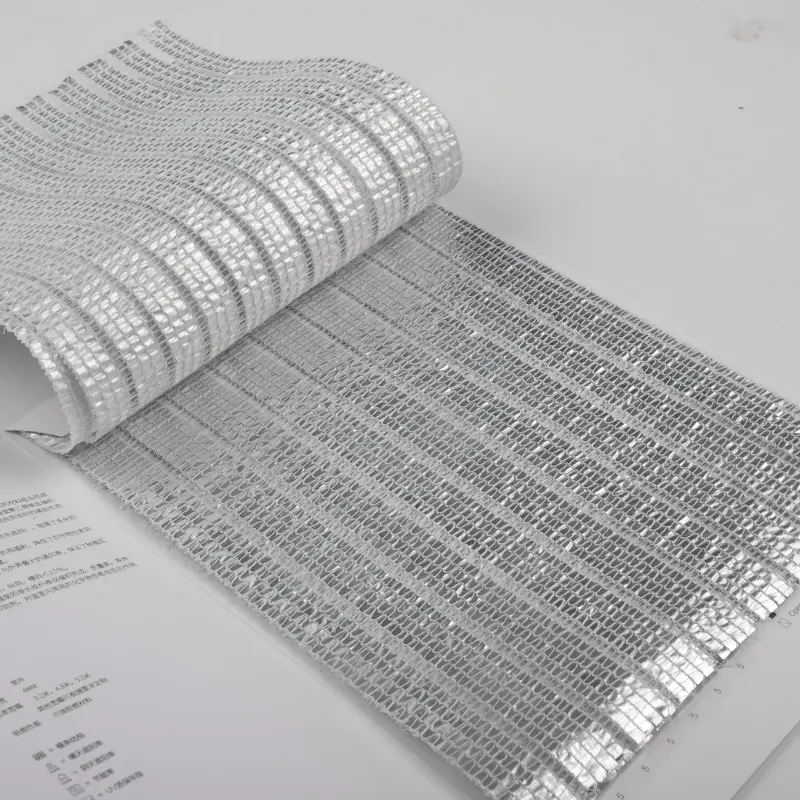
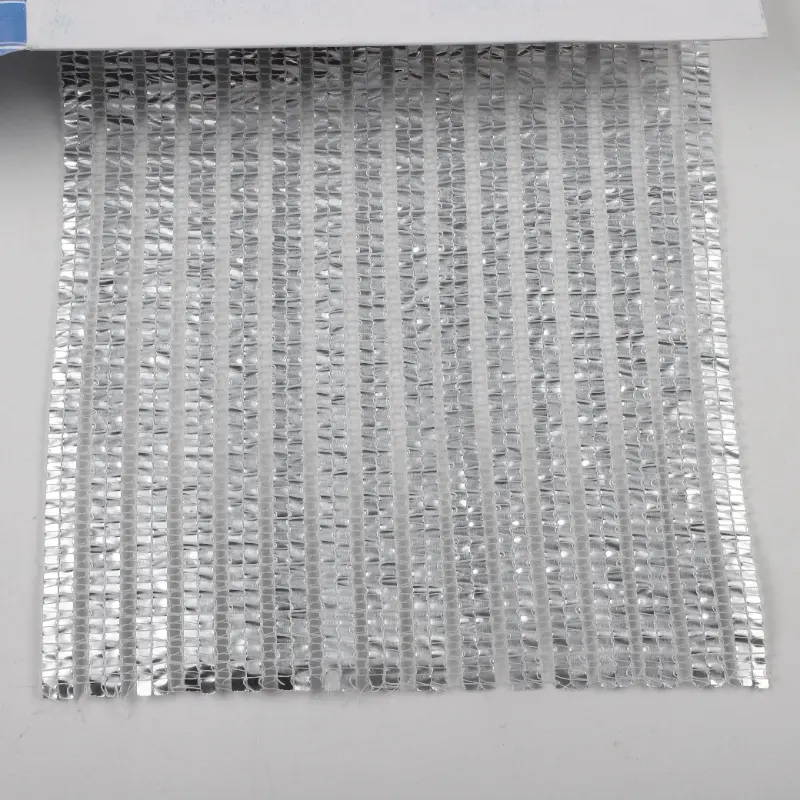
In contrast, an aluminum foil net is woven from specialized metalized strips. The highly polished surface of these strips acts like a series of tiny mirrors. Instead of absorbing the sun’s energy, it reflects a significant portion of both visible light and harmful infrared (IR) radiation back out of the greenhouse structure.
This fundamental shift from absorption to reflection provides dual benefits:
- Immediate Temperature Reduction: The area beneath the netting remains noticeably cooler because the heat energy is deflected before it can enter the enclosed space.
- Diffuse Lighting: While reflecting heat, the unique weave also scatters the remaining incoming light. This diffuse light penetrates deeper into the plant canopy, improving overall photosynthesis and preventing the “hot spots” that can cause localized leaf burn.
Direct Impact on Cooling Systems and Costs
The most tangible benefit of installing an agricultural aluminet is the immediate relief it provides to active cooling systems. Greenhouses relying on fan and pad systems, high-pressure fogging, or HVAC units experience substantial reductions in energy demand when reflective shading is implemented.
Reduced Energy Consumption
Because the baseline temperature inside the greenhouse is lowered passively by the reflective net, cooling systems cycle on less frequently and run for shorter durations. This translates directly to lower electricity bills. Studies have shown that during peak summer heat, internal greenhouse temperatures under aluminized netting can be 4°C to 7°C (7°F to 12°F) cooler than under standard black shade cloth of the same percentage.
Decreased Water Usage
For operations using evaporative cooling methods (like wet walls or foggers), the reduction in heat load means significantly less water is required to achieve the desired temperature drop. In areas where water is scarce or expensive, this conservation is a critical cost-saving measure.
Extended Equipment Lifespan
HVAC systems, fans, and pumps that are constantly running at maximum capacity experience accelerated wear and tear. By reducing the overall cooling burden, reflective netting extends the operational life of this expensive equipment, lowering maintenance costs and delaying the need for capital replacements.
Comparing Shading Options: A Cost-Benefit Overview
To understand the long-term value, it’s helpful to compare the features of different shading materials.
| Feature | Standard Black Shade Cloth | Reflective Aluminum Net |
|---|---|---|
| Primary Mechanism | Heat Absorption | Heat Reflection |
| Cooling Efficiency | Low to Moderate | High |
| Light Diffusion | Minimal | Excellent |
| Impact on Ventilation | Can restrict airflow if dense | Open weave promotes airflow |
| Energy Savings | Minimal impact | Significant reduction |
| Initial Cost | Lower | Moderate to Higher |
| Long-term ROI | Low | High (through energy savings) |
Year-Round Benefits: Thermal Retention in Winter
The advantages of an aluminum foil net are not limited to summer cooling. They offer a surprising dual functionality that benefits growers year-round. While they reflect heat away during the day, their metalized surface also reflects long-wave infrared radiation (heat) back down into the greenhouse at night.
During cold winter nights, plants and soil radiate heat upwards. A standard open-weave cloth allows this heat to escape into the atmosphere. The aluminized net acts as a thermal blanket, trapping the radiated heat and keeping the plant canopy warmer. This reduces the energy required by greenhouse heating systems, offering another layer of operational cost savings.
Key Considerations for Installation and Use
To maximize the cooling benefits and energy savings of an agricultural aluminet, proper installation and management are crucial:
- Internal vs. External Installation: While they can be used externally, they are most effective when installed inside the greenhouse, below the roof but above the cooling equipment. This allows the roof vents to release the reflected heat effectively.
- Retractable Systems: For maximum control, the netting should be installed on a retractable system. This allows operators to deploy the shade during peak sunlight hours for cooling and retract it during low-light conditions to maximize natural light for photosynthesis.
- Choosing the Right Shading Percentage: Reflective nets come in various shading percentages (e.g., 30%, 50%, 70%). The optimal choice depends on the specific crop’s light requirements and the local climate. A higher percentage will provide more cooling but less light.
Conclusion
Transitioning to a reflective shade net represents a strategic investment in greenhouse efficiency. By actively reflecting solar radiation rather than absorbing it, these specialized nets significantly lower the internal heat load. This passive cooling directly reduces the strain on energy-intensive ventilation and evaporative systems, leading to substantial savings on electricity and water. When you factor in the added benefits of diffuse lighting for better crop growth and thermal retention during winter nights, the long-term return on investment makes the aluminum shade net a highly effective tool for modern, cost-conscious agricultural operations.
Frequently Asked Questions (FAQ)
1. How much can I expect to save on cooling costs by switching to a reflective net?
Savings vary significantly depending on your climate, greenhouse size, and the specific cooling equipment you use. However, many growers report a 15% to 30% reduction in energy costs associated with cooling during the peak summer months after switching from standard dark shade cloths.
2. Does the reflective surface of the net degrade over time?
High-quality aluminized nets are treated with UV stabilizers and anti-oxidation coatings to protect the metalized strips. With proper care and by avoiding abrasive cleaning methods, a good quality net can maintain its reflective properties for 5 to 8 years, or even longer in some conditions.
3. Will the net block too much light for my high-light crops like tomatoes?
Not necessarily. These nets are available in a wide range of shade percentages, starting as low as 30%. Because they diffuse the light that does pass through, they often provide better overall light distribution to the lower canopy than clear glass or plastic alone, even while reducing total light intensity. It is important to select the correct percentage for your specific crop.