


How to Choose the Right Shading Rate (45%–95%) for Your Greenhouses and Nurseries
Release time: 2026-07-17
Table of Contents
Optimizing sunlight and temperature control is crucial for any successful greenhouse or nursery operation. The key to achieving this lies in selecting the perfect agricultural shade net fabric. With varying shading rates ranging from 45% to 95%, making the correct choice directly impacts plant health, yield, and overall profitability. This comprehensive guide will walk you through the factors to consider when choosing the ideal shading rate for your specific horticultural needs.
Understanding Shading Rates and Their Importance
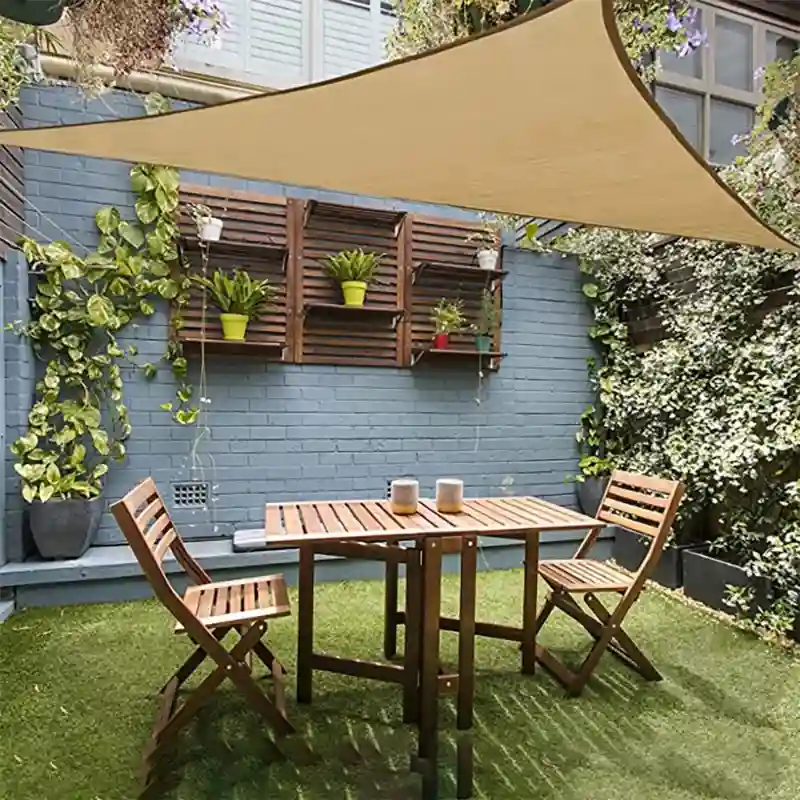
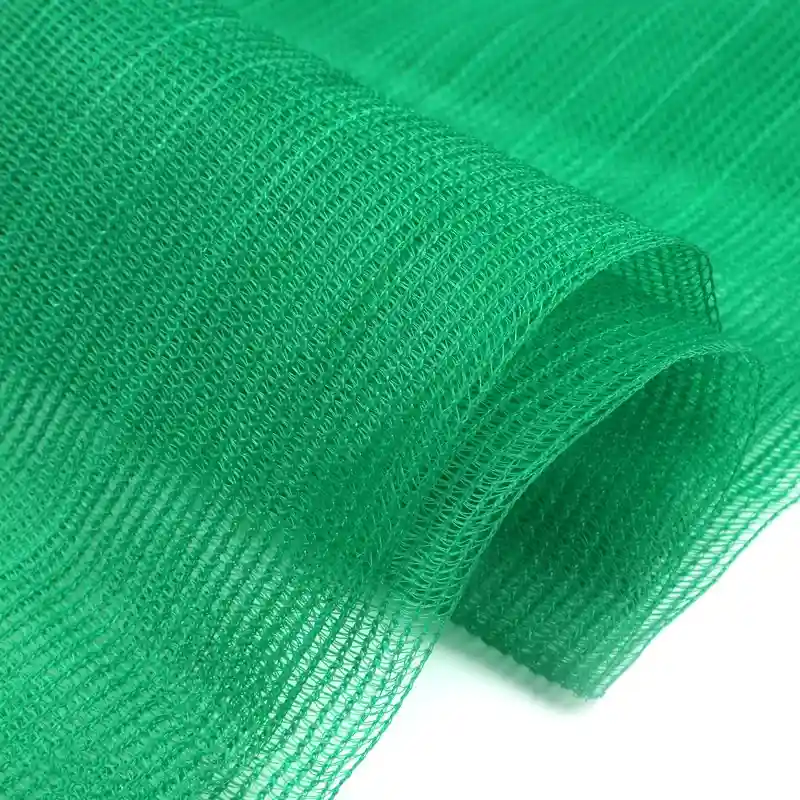
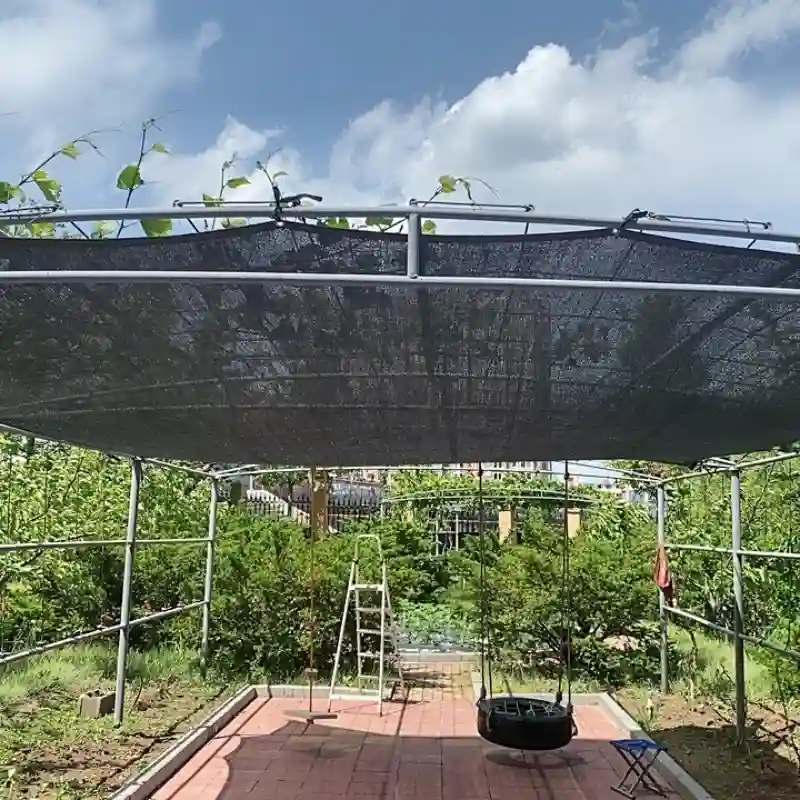
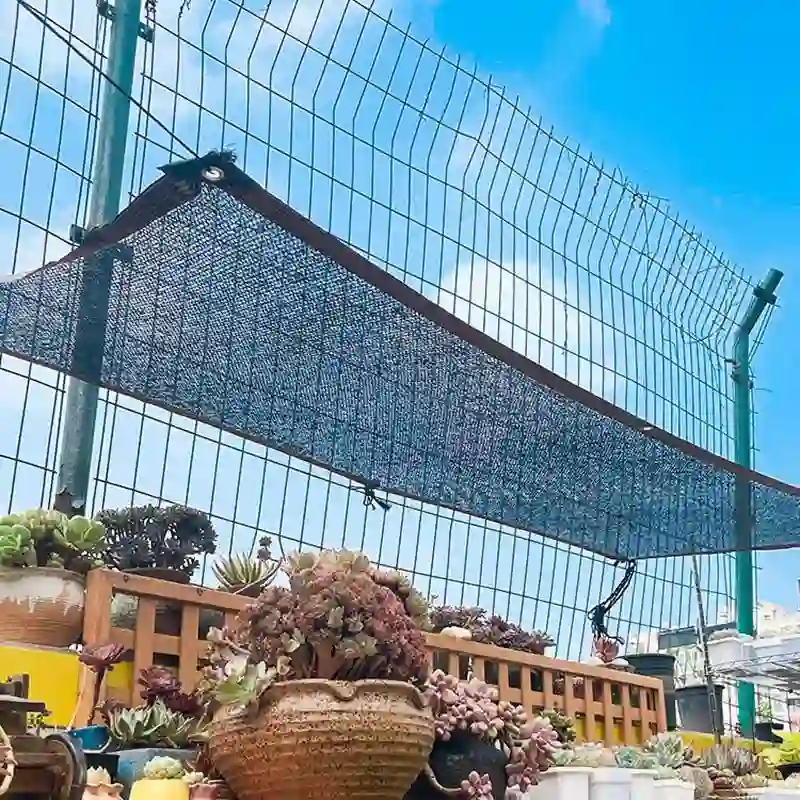
A sunshade net acts as a protective barrier, filtering out a specific percentage of sunlight while allowing the rest to pass through. The shading rate indicates the percentage of light blocked. For instance, a 50% shade cloth blocks half the sunlight, while a 90% shade cloth blocks nearly all of it.
Choosing the incorrect shading rate can lead to significant problems:
- Too Little Shade (Low Rate): Can cause sunburn, heat stress, excessive transpiration, and stunted growth in shade-loving plants.
- Too Much Shade (High Rate): Can result in leggy growth, poor flowering and fruiting, and increased susceptibility to fungal diseases due to poor air circulation and excessive moisture retention.
Therefore, selecting the precise greenhouse shade cloth rolls is not just about blocking light; it’s about creating a microclimate tailored to your specific crops.
Decoding the Shading Rate Spectrum (45% – 95%)
Different plants have distinct light requirements, varying significantly by species, growth stage, and geographic location. Here is a breakdown of common shading rates and their typical applications.
45% – 55% Shading: Moderate Protection
This range provides moderate light reduction and is ideal for plants that require substantial sunlight but need protection from peak midday intensity.
- Ideal Candidates: Sun-loving vegetables (tomatoes, peppers, cucumbers), flowering plants (geraniums, petunias), and certain hardy nursery stock.
- Application Scenarios:
- Protecting field crops during unexpected heatwaves.
- Reducing heat stress in established greenhouses situated in moderately sunny regions.
- Providing temporary shade for newly transplanted sun-loving seedlings.
60% – 75% Shading: The Versatile Middle Ground
This is the most common and versatile range, offering substantial heat reduction while still allowing adequate light for photosynthesis for a wide variety of plants.
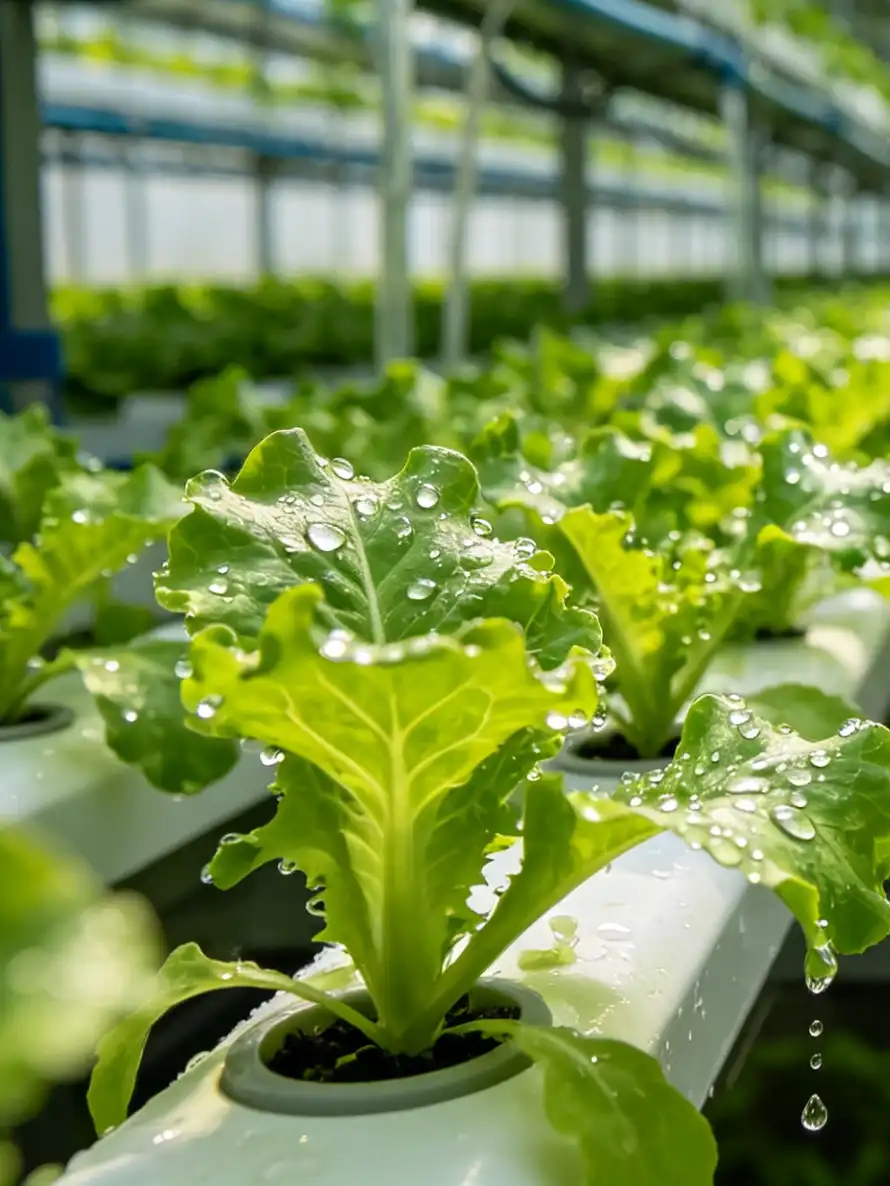
- Ideal Candidates: Leafy greens (lettuce, spinach, kale), many herbs, orchids, ferns, and a broad range of foliage plants.
- Application Scenarios:
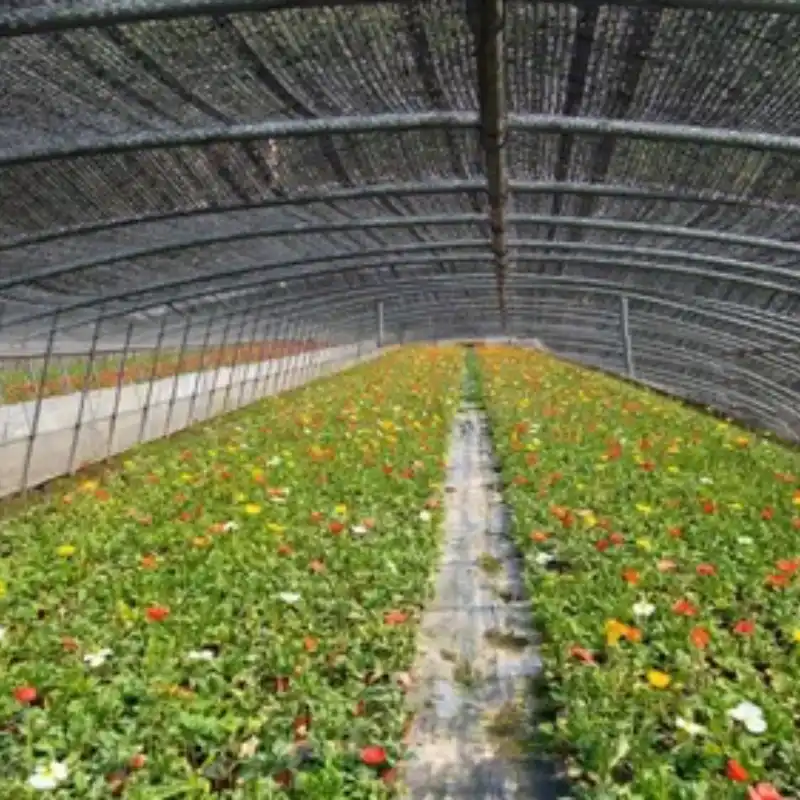
- Standard greenhouse shading in regions with intense summer sun.
- Creating comfortable working environments within nurseries.
- Protecting shade-loving ornamental plants throughout the growing season.
80% – 95% Shading: Heavy Duty Protection
This high shading range provides maximum protection from sunlight and significantly reduces temperatures. It is essential for highly sensitive plants and specific agricultural applications.
- Ideal Candidates: Deep-shade plants (ferns, certain orchids, calatheas), livestock shading, and specialized applications like mushroom cultivation.
- Application Scenarios:
- Creating highly controlled environments for temperature-sensitive tropical plants.
- Providing cooling shade for livestock or poultry structures.
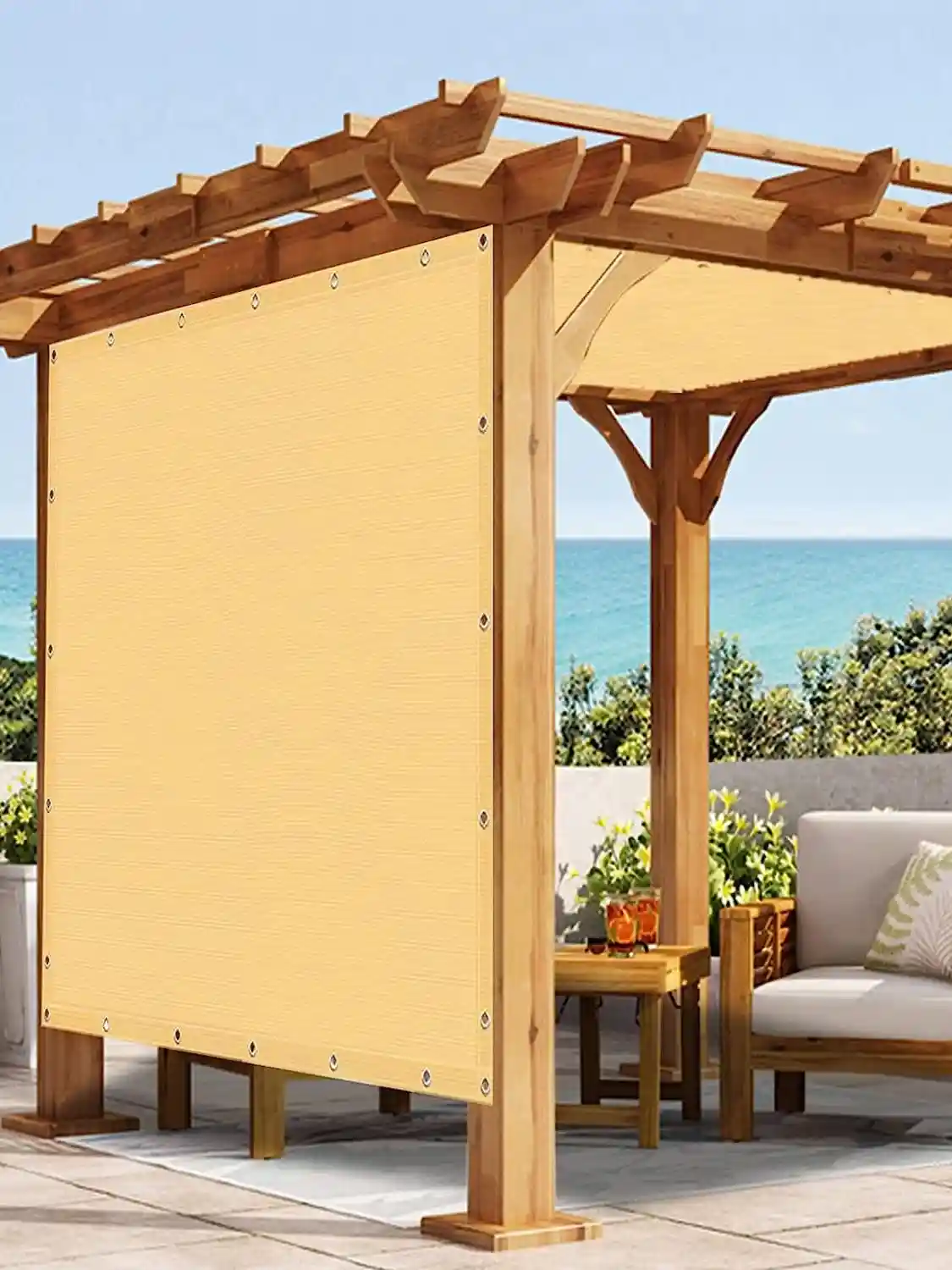
- Used as privacy screens or windbreaks in certain nursery setups.
- Essential for commercial mushroom cultivation facilities.
Quick Reference Guide: Shading Rates by Plant Type
| Plant Category | Examples | Recommended Shading Rate |
|---|---|---|
| Sun-Loving Vegetables | Tomatoes, Peppers | 30% – 50% |
| Leafy Greens & Herbs | Lettuce, Spinach, Basil | 40% – 60% |
| General Nursery Stock | Shrubs, Young Trees | 50% – 70% |
| Foliage Plants & Orchids | Ferns, Phalaenopsis | 60% – 80% |
| Deep Shade/Specialty | Mushrooms, Livestock | 80% – 95% |
Key Factors Influencing Your Choice
Beyond the specific plant species, several other critical factors must be evaluated when selecting the right agricultural shade net fabric.
1. Geographic Location and Climate
The intensity of sunlight varies dramatically by region. A greenhouse in a high-altitude, arid climate will require a much higher shading rate than one located in a temperate, frequently cloudy region, even if growing the same crops. You must account for your local solar radiation levels and peak summer temperatures.
2. Seasonality and Growth Stage
Light requirements change throughout the year and across different stages of a plant’s lifecycle. Seedlings generally require more protection than mature, established plants. In regions with distinct seasons, many growers utilize adjustable systems or switch out greenhouse shade cloth rolls to accommodate the changing light intensity between spring, summer, and autumn.
3. Greenhouse Structure and Ventilation
The design of your greenhouse significantly affects heat buildup. A poorly ventilated greenhouse will trap heat, requiring a higher shading rate to compensate. Conversely, a structure with excellent passive ventilation or active cooling systems might manage with a lower shading rate, prioritizing light transmission for photosynthesis. The material of the greenhouse cover (glass, polycarbonate, polyethylene) also influences light transmission and diffusion, impacting your shade cloth decision.
Introducing Powerician: Your Partner in Climate Control
When selecting the ideal sunshade net for your operation, quality and reliability are paramount. Powerician offers a comprehensive range of premium agricultural shade net fabrics designed to meet the rigorous demands of modern horticulture.
Our products are engineered with durable, UV-stabilized materials, ensuring longevity and consistent performance season after season. Whether you require a precise 50% shade for your vegetable crop or an 85% heavy-duty screen for sensitive foliage, Powerician provides tailored solutions to optimize your growing environment and maximize your yield. We understand the nuances of climate control and are committed to supporting your success.
Conclusion
Choosing the right shading rate is a critical decision for any greenhouse or nursery manager. By carefully considering the specific needs of your plants, your local climate, and your greenhouse infrastructure, you can select the optimal shading solution. Remember that finding the perfect balance between light transmission and temperature reduction is an ongoing process of observation and adjustment. Investing in high-quality shade cloth is an investment in the health and productivity of your crops.
Frequently Asked Questions (FAQs)
Q1: Can I use one shading rate for all the plants in my greenhouse?
A1: While a versatile middle-ground rate (like 60%) can work for a mixed greenhouse, it is rarely optimal for all plants. If you are growing a diverse range of crops (e.g., tomatoes and ferns in the same structure), you may need to implement localized shading or zone your greenhouse to provide appropriate light levels for different species.
Q2: How do I measure the actual light transmission inside my greenhouse?
A2: The most accurate way to measure light is by using a light meter (lux meter or PAR meter). By measuring the light intensity outside and then immediately inside the greenhouse under the shade cloth, you can determine the actual percentage of light reduction and ensure it aligns with your target shading rate.
Q3: How often should I replace my agricultural shade net fabric?
A3: The lifespan of shade cloth depends heavily on the material quality, UV stabilization, and local climate conditions. High-quality nets, like those from reputable manufacturers, can last 5 to 10 years or more. However, you should inspect your nets annually for signs of wear, tear, or significant fading, which can compromise their effectiveness and indicate it’s time for a replacement.