




Shade Nets vs. Thermal Screens: Which Agricultural Netting Do You Need?
Release time: 2026-05-14
In the dynamic world of modern agriculture and horticulture, controlling the microclimate of your crops is no longer just an option; it’s a necessity for maximizing yield and ensuring quality. Whether you are managing a sprawling commercial nursery, a high-tech greenhouse, or open-field agriculture, protecting your plants from extreme environmental stress is critical. Two of the most effective tools in a grower’s arsenal for climate management are agricultural shade nets and thermal screens.
While both are essential forms of agricultural netting designed to optimize plant growth environments, they serve distinct primary functions. Understanding the differences between these two technologies is crucial for making the right investment for your specific crop requirements and local climate conditions. This comprehensive guide will delve into the specific features, applications, and benefits of shade nets and thermal screens to help you decide which solution best fits your agricultural needs.
Understanding Shade Nets: The Ultimate Sun Blockers
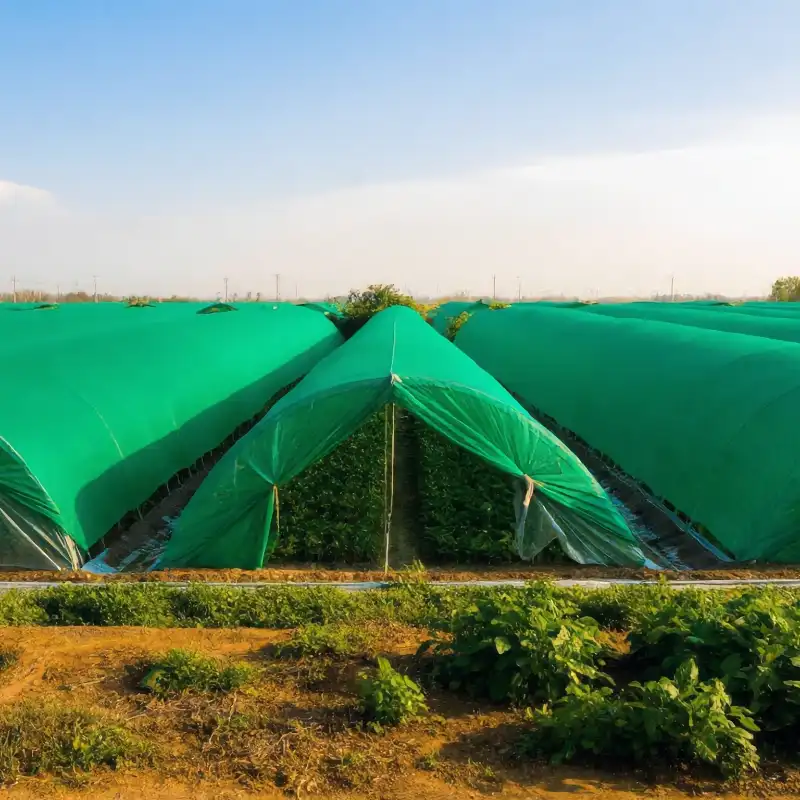
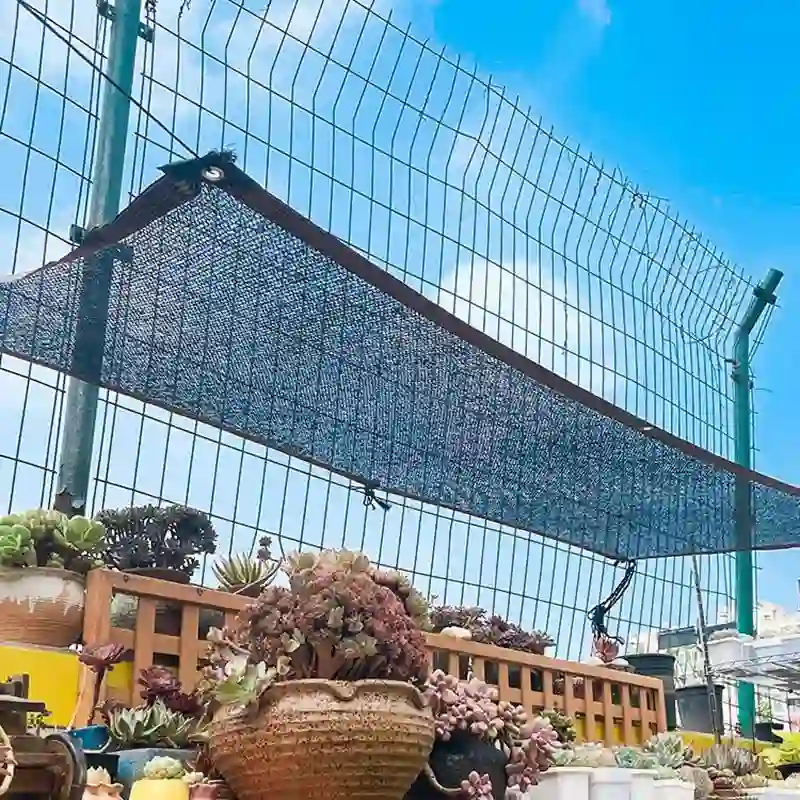
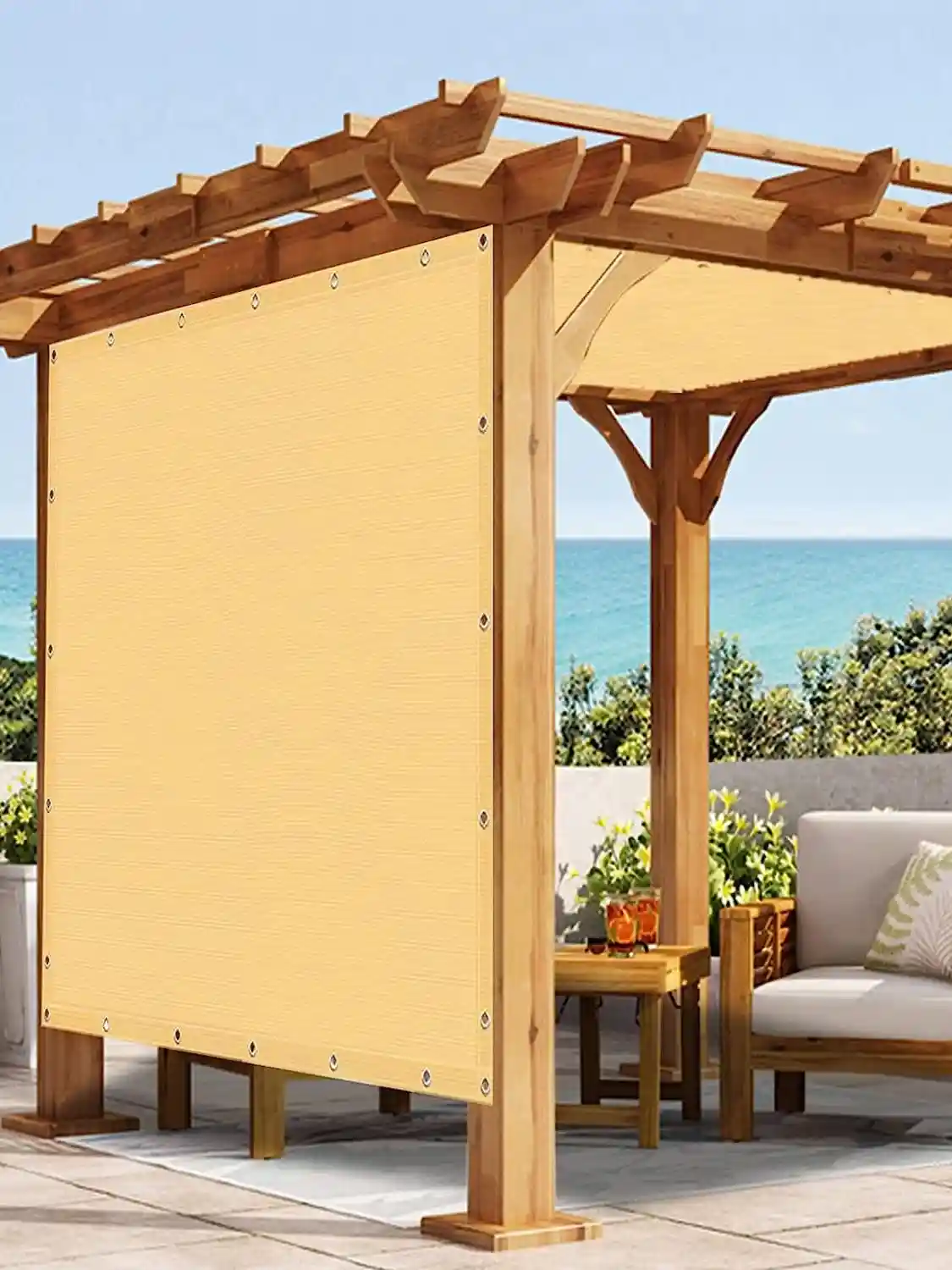
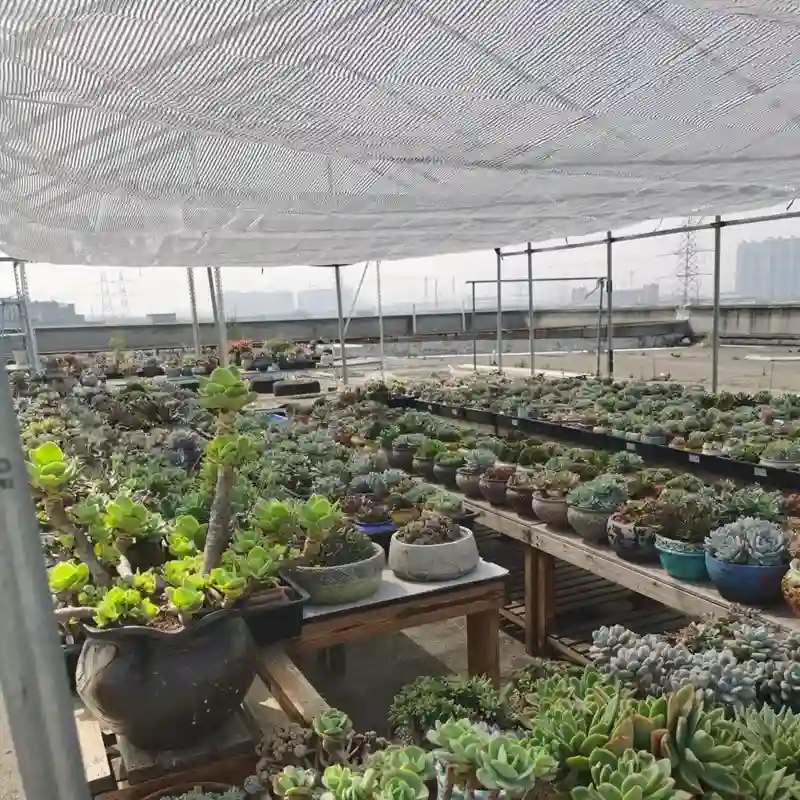
Shade nets are exactly what their name implies: woven or knitted fabrics designed primarily to reduce the intensity of sunlight reaching your plants. Excessive solar radiation can lead to heat stress, sunburn on fruits and leaves, and rapid soil moisture evaporation.
How Shade Nets Work
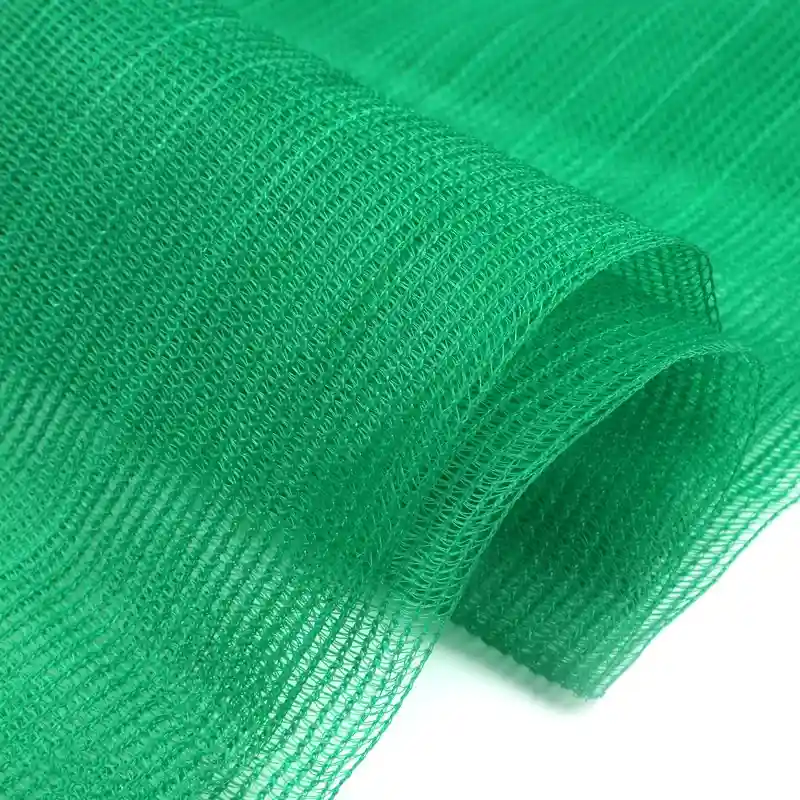
These nets are typically manufactured from high-density polyethylene (HDPE), a durable and UV-stabilized material that can withstand harsh outdoor conditions. They function by physically blocking a specific percentage of sunlight, which is measured by their “shade factor” (e.g., 30%, 50%, 80%). The higher the percentage, the more light is blocked.
Key Benefits of Shade Nets
Light Reduction: The most obvious benefit is the reduction of direct sunlight. This is vital for shade-loving plants (like ferns or certain ornamentals) and for protecting sun-sensitive crops during the peak heat of summer.
Temperature Reduction: By blocking solar radiation, shade nets naturally lower the ambient temperature beneath them, creating a cooler microclimate that reduces heat stress on plants and workers alike.
Moisture Conservation: Lower temperatures mean reduced evaporation rates from both the soil and the plant leaves (transpiration), leading to more efficient water usage.
Protection from Elements: Besides sun, high-quality HDPE knitted shade cloth can offer moderate protection against heavy rain, hail, and strong winds, preventing physical damage to delicate crops.
Typical Applications for Shade Nets
Nurseries and Greenhouses: Providing appropriate light levels for seedlings and young plants.
Orchards and Vineyards: Protecting developing fruits from sunburn.
Livestock Shading: Creating cooler environments for cattle, poultry, and other animals.
Agrivoltaics: Integrating with solar panels to optimize land use while providing necessary crop shade.
Exploring Thermal Screens: Mastering Climate Control
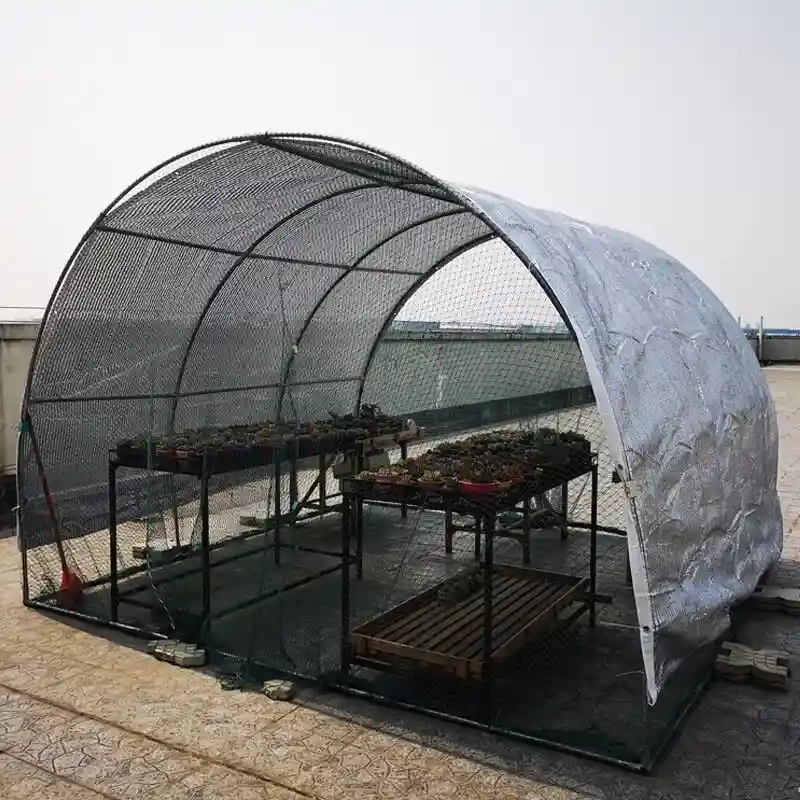
While shade nets primarily focus on reducing light and heat from the sun, thermal screens (also known as energy curtains or climate screens) are highly engineered fabrics designed for comprehensive climate control, particularly within enclosed structures like greenhouses.
How Thermal Screens Work
Thermal screens are far more complex than standard shade cloth. They are often constructed from strips of aluminized film or clear polyester, woven together with specialized yarns. Their primary function is two-fold:
Daytime Shading and Cooling: Like shade nets, they can reflect sunlight to cool the greenhouse.
Nighttime Heat Retention: This is their standout feature. At night, they are deployed to trap the long-wave radiation (heat) that the plants and soil absorbed during the day, preventing it from escaping into the cold night sky.
Key Benefits of Thermal Screens
Significant Energy Savings: In cooler climates or during winter months, the ability to retain heat at night drastically reduces the need for artificial heating. A high-quality greenhouse energy-saving screen can cut heating costs by up to 40-70%.
Precision Temperature Control: They allow growers to fine-tune the internal temperature, smoothing out the drastic fluctuations between day and night, which is crucial for sensitive crops.
Humidity Management: Certain thermal screens are designed to be permeable, allowing moisture to escape while retaining heat, thereby preventing condensation and reducing the risk of fungal diseases.
Light Diffusion: Many screens, especially those with clear strips, excel at diffusing incoming light. This ensures that light penetrates deeper into the plant canopy, reducing shadows and promoting more uniform growth compared to direct light.
Typical Applications for Thermal Screens
Commercial Greenhouses: For high-value crops like tomatoes, peppers, and cut flowers that require precise environmental control.
Research Facilities: Where exact climatic conditions are necessary for experiments.
Cold Climate Agriculture: Essential for maintaining viable growing temperatures during frigid nights.
Shade Nets vs. Thermal Screens: A Direct Comparison
To make the best choice, it’s helpful to see how these two agricultural nets compare across key operational factors:
| Feature | Shade Nets | Thermal Screens |
| Primary Function | Reducing sunlight intensity & heat | Energy savings (heat retention) & precise climate control |
| Material | Usually woven or knitted HDPE | Complex weave of aluminized, clear, or white films and yarns |
| Heat Retention (Night) | Poor to Minimal | Excellent (drastically reduces heating costs) |
| Cooling Effect (Day) | Good (by physically blocking light) | Excellent (by reflecting solar radiation) |
| Light Diffusion | Low | High (promotes uniform plant growth) |
| Primary Environment | Open fields, shade houses, basic greenhouses | Technologically advanced, enclosed greenhouses |
| Cost | Generally lower upfront cost | Higher initial investment, but significant ROI through energy savings |
| Deployment | Often fixed or manually operated | Typically automated on motorized track systems |
Choosing the Right Agricultural Netting for Your Needs
The decision between a shade net and a thermal screen ultimately boils down to your specific growing environment, your crop’s needs, and your operational goals.
Choose Shade Nets If:
You are growing in open fields or simple shade houses.
Your primary concern is protecting crops from extreme summer sun and heat stress.
You need a robust, cost-effective solution for reducing light intensity.
You are looking for versatile netting that also provides some protection against hail or wind, such as a sturdy agricultural anti-hail net.
Choose Thermal Screens If:
You operate a controlled-environment greenhouse.
You experience significant temperature drops at night and want to reduce heating costs.
Your crops require highly specific temperature and humidity ranges.
You are growing high-value crops, where maximizing yield through improved light diffusion is critical.
You need an automated climate control system for precise environmental management.
The Hybrid Approach
In many modern greenhouse setups, it’s not a matter of choosing one over the other; it’s about integrating both. A common strategy involves using an external shade net deployed over the greenhouse roof to deflect intense summer sun, coupled with an internal thermal screen system used primarily for nighttime heat retention and precise light diffusion during the day. This layered approach offers the ultimate flexibility in microclimate management.
Conclusion
Both shade nets and thermal screens are invaluable tools in the modern grower’s toolkit. By understanding that shade nets excel at blocking sun and heat, while thermal screens master the art of energy retention and precise climate control, you can make an informed decision. Investing in the right type of horticultural climate protection netting will not only safeguard your crops but also optimize your yields and improve your overall operational efficiency.
Frequently Asked Questions (FAQ)
1. Can a shade net also act as a thermal screen to keep my plants warm at night?
While a heavy shade net might trap a negligible amount of heat, it is not designed for thermal retention. The knitted or woven HDPE material of shade nets is porous and allows heat to escape easily. If your goal is to reduce heating costs and trap heat at night, you specifically need a thermal screen made with aluminized or specialized clear materials designed to reflect long-wave radiation back toward the crop.
2. How long do agricultural shade nets and thermal screens typically last?
The lifespan depends heavily on the material quality, UV stabilization, and how they are used. High-quality UV-stabilized shade nets can typically last anywhere from 5 to 10 years, even in harsh outdoor conditions. Thermal screens, which are usually deployed inside a greenhouse and protected from direct weathering, can also last 5 to 8 years, though the constant mechanical rolling or folding in automated systems can contribute to wear over time.
3. If I install a thermal screen, do I still need ventilation in my greenhouse?
Absolutely. While thermal screens help manage temperature, they can also trap humidity. Without proper ventilation, this trapped moisture can lead to condensation and create a breeding ground for plant diseases. Even when the screen is deployed for heat retention, most growers leave a small gap for air exchange or utilize specific breathable thermal screens, working in tandem with the greenhouse’s ventilation fans or roof vents to ensure a healthy growing environment.