Top 5 Advantages of Using HDPE Shade Screens in Landscaping
Release time: 2026-05-14
In the realm of modern landscape architecture and urban planning, the balance between aesthetic appeal and functional durability is a constant challenge. Designers and property managers are increasingly turning to advanced material sciences to solve environmental hurdles. Among these innovations, High-Density Polyethylene (HDPE) shade screens have emerged as a premier choice. As a leading innovator in high-performance outdoor fabrics, Powerician has observed a significant shift toward these versatile solutions across both commercial and residential projects.
Whether you are designing a luxury resort, a community park, or a private botanical retreat, understanding the technical and practical benefits of HDPE is essential. This article explores the top five advantages of integrating HDPE shade screens into your next landscaping endeavor.
1. Exceptional Durability and Longevity
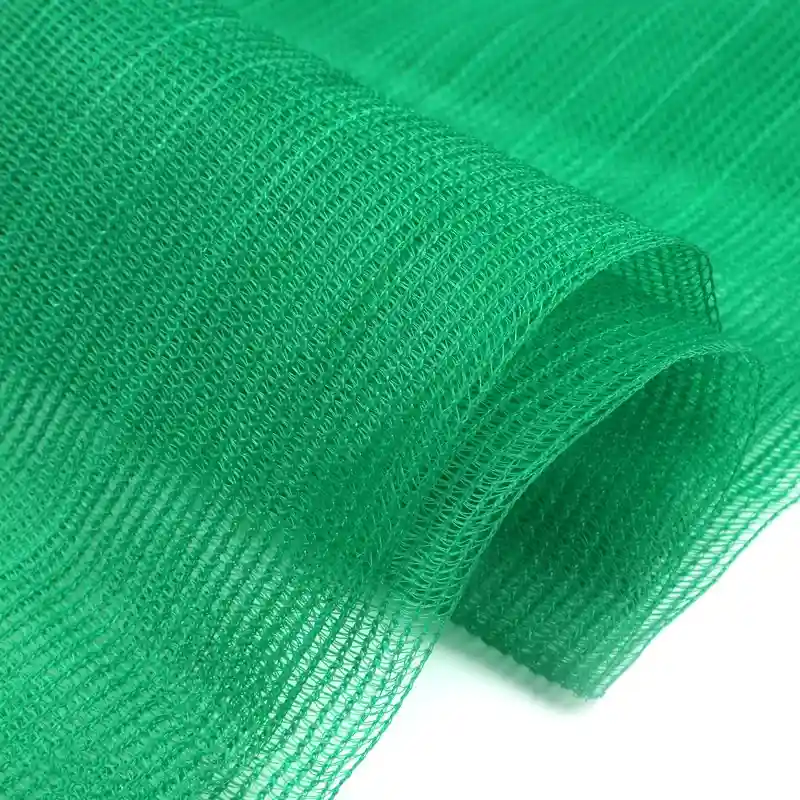
The primary reason professionals opt for HDPE over traditional natural fibers or lower-grade synthetics is its inherent chemical stability. Unlike PVC-coated polyester, which can crack or peel over time, HDPE is a knitted lock-stitch fabric that resists tearing and fraying.
The molecular structure of high-density polyethylene allows it to withstand extreme temperature fluctuations without losing its tensile strength. This makes high-density polyethylene shade netting an ideal investment for regions prone to harsh weather conditions. Because the material does not absorb moisture, it is naturally resistant to rot, mold, and mildew—factors that typically degrade organic landscaping materials within a few seasons.
2. Superior UV Protection and Micro-Climate Control
Landscaping is not just about visual elements; it is about creating a comfortable environment for both flora and human occupants. HDPE shade screens are engineered to block a specific percentage of harmful ultraviolet (UV) radiation while still allowing air to circulate.
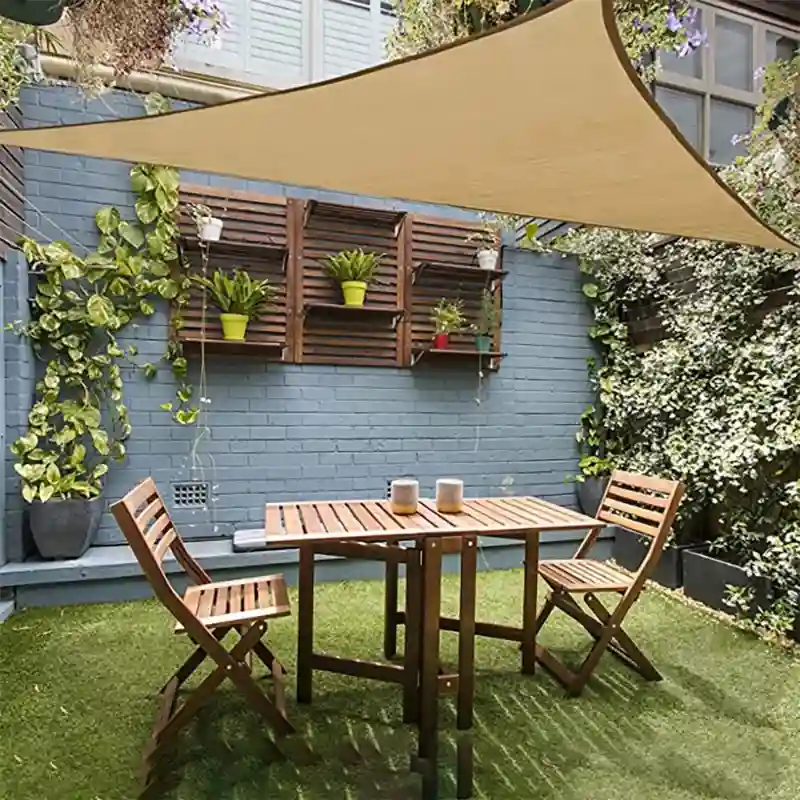
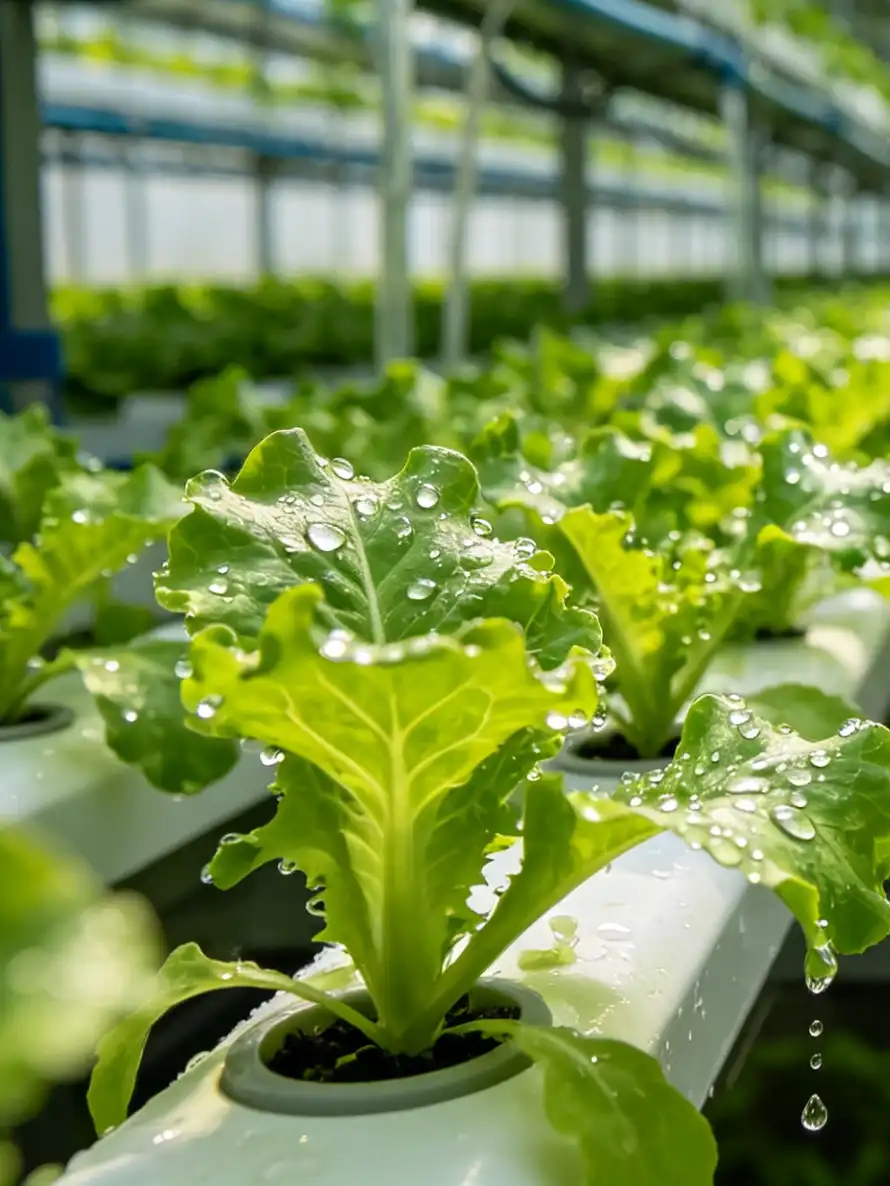
For horticultural applications, UV-stabilized shade cloth for gardens is a game-changer. By filtering intense sunlight, these screens prevent “leaf burn” in sensitive plant species and reduce soil evaporation rates, leading to more efficient water usage. For human-centric spaces, such as outdoor patios or walkways, HDPE screens can reduce ambient temperatures by up to 10-15 degrees Celsius. This thermal regulation transforms unusable, sun-scorched areas into inviting retreats.
3. Versatility in Design and Aesthetics
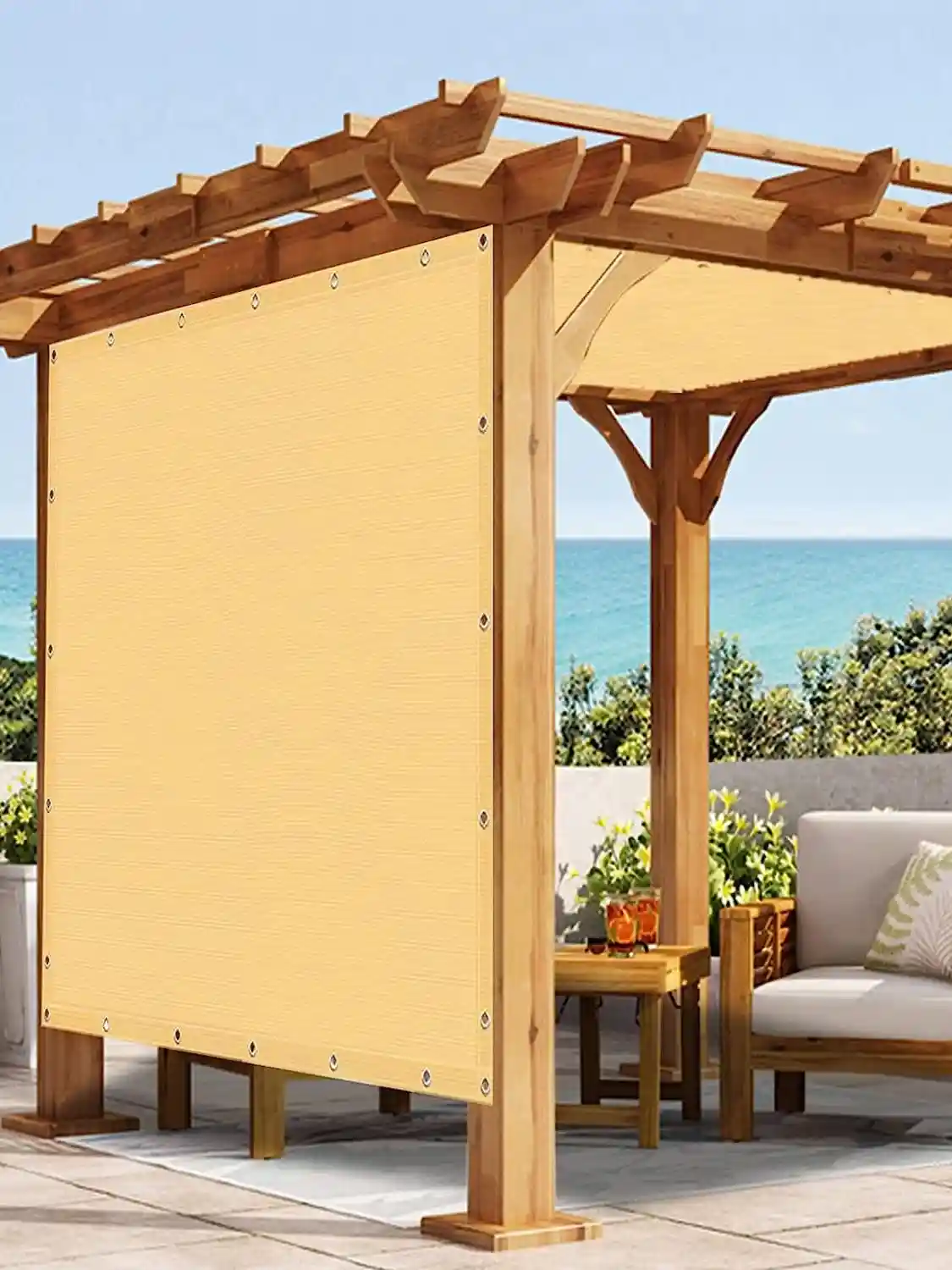
Modern landscaping demands custom solutions that complement architectural styles. HDPE screens are available in a vast array of densities (shading percentages), colors, and textures. This flexibility allows designers to use them as privacy barriers, decorative windbreaks, or even sculptural overhead elements.
Many high-end projects now utilize custom-sized architectural shade nets made from HDPE to create iconic visual landmarks. The fabric’s ability to maintain tension without sagging ensures that the clean lines of a design remain intact for years. Powerician provides a range of premium HDPE solutions that harmonize with contemporary building materials like steel, glass, and natural stone, proving that functional protection does not have to compromise style.
| Feature | HDPE Shade Screens | Traditional Canvas/Polyester |
| Breathability | High (Knitted mesh allows airflow) | Low (Traps heat underneath) |
| UV Resistance | Excellent (Inherent in polymer) | Moderate (Requires frequent coating) |
| Maintenance | Minimal (Hose down with water) | High (Prone to staining and mold) |
| Lifespan | 8–15 years | 3–5 years |
| Recyclability | 100% Recyclable | Non-recyclable (PVC content) |
4. Sustainability and Environmental Impact
As the construction and landscaping industries move toward “green building” standards, the environmental footprint of materials has become a critical selection factor. HDPE is a thermoplastic, meaning it is fully recyclable at the end of its long life cycle.
Unlike many outdoor fabrics that rely on heavy metal stabilizers or toxic coatings, high-quality HDPE screens are chemically inert. This ensures that no harmful substances leach into the soil or groundwater during irrigation or rainfall. By choosing eco-friendly outdoor sun protection solutions, developers can contribute to LEED certification points and demonstrate a commitment to ecological stewardship. Powerician remains dedicated to providing materials that support these sustainable development goals without sacrificing industrial-grade performance.
5. Cost-Effectiveness and Low Maintenance
While the initial investment in HDPE might be slightly higher than entry-level mesh, the “Total Cost of Ownership” is significantly lower. The durability mentioned earlier means fewer replacements, less labor for repairs, and reduced downtime for commercial facilities.
HDPE is largely self-cleaning; dust and debris are often washed away by rain, and deeper cleans only require mild detergent and water. For large-scale projects, utilizing cost-effective commercial landscaping shade structures allows for significant savings in long-term maintenance budgets. Furthermore, by protecting outdoor furniture, decking, and sensitive plants from UV degradation, these screens extend the life of other expensive landscaping assets.
Application Scenarios: Where HDPE Shines
The utility of HDPE extends across various sectors:
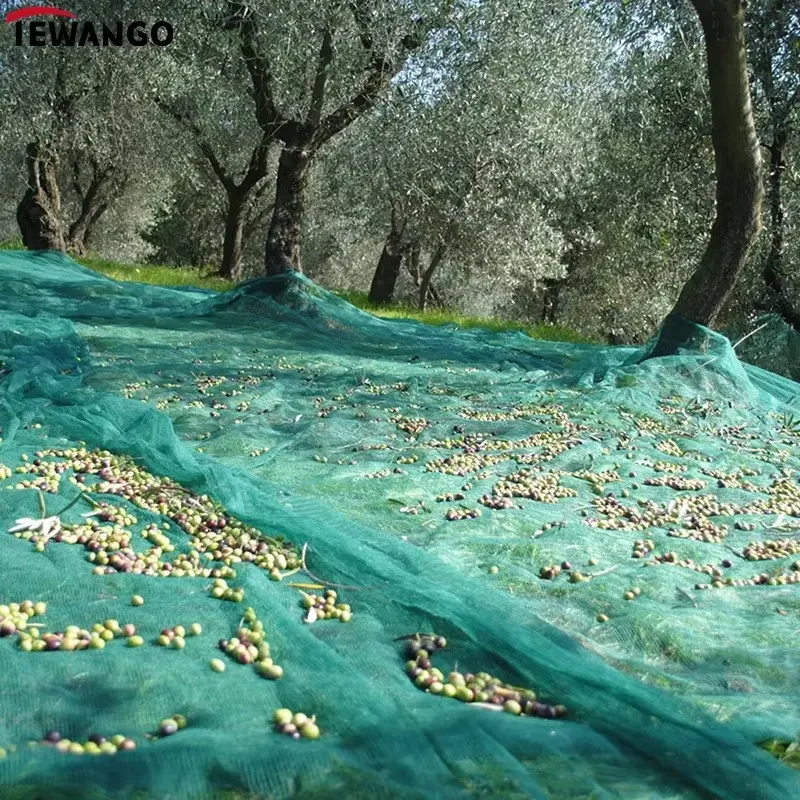
- Agriculture & Nurseries: Using heavy-duty mesh screens for landscape privacy and crop protection.
- Public Infrastructure: Providing shade for playgrounds, bus stops, and aquatic centers.
- Residential Luxury: Creating durable garden privacy screens that double as modern artistic partitions.
In conclusion, the integration of HDPE shade screens represents a fusion of engineering excellence and aesthetic grace. By prioritizing durability, UV protection, and sustainability, companies like Powerician are helping to redefine the boundaries of outdoor living and environmental design.
Frequently Asked Questions (FAQ)
Q1: How do I choose the right “shade percentage” for my landscaping project?
The ideal density depends on your primary goal. For human comfort and seating areas, an 80-90% block is recommended to maximize cooling. For most plants, a 40-60% shade density is preferred, as it filters the harsh midday sun while still allowing enough light for photosynthesis.
Q2: Can HDPE shade screens withstand high wind loads?
Yes, because HDPE is a knitted mesh rather than a solid sheet, it allows wind to pass through the fabric. This reduces the “sail effect” and pressure on support structures. However, for areas prone to hurricanes or gale-force winds, it is essential to ensure professional installation with appropriate tensioning hardware.
Q3: Does the color of the HDPE fabric affect its performance?
While all UV-stabilized HDPE provides protection, darker colors typically absorb more heat and provide a cooler shade feel underneath, whereas lighter colors reflect more light and may be better for certain plant types that require higher ambient brightness without direct heat.