The Evolution of Agricultural Nets: Why Custom Shade Solutions Are the Future
Release time: 2026-05-14
The agricultural landscape is continuously evolving, driven by the relentless pursuit of higher yields, better crop quality, and increased resilience against unpredictable climate conditions. A significant part of this evolution lies in the development and application of protective agricultural textiles. From rudimentary woven fabrics to today’s advanced, highly engineered solutions, the journey of agricultural nets is a testament to human ingenuity in farming. As we look towards the future, it is increasingly clear that the “one-size-fits-all” approach is becoming obsolete, making way for the era of customized agricultural shade netting solutions designed for specific crops and unique environmental challenges.
A Brief History: From Basic Protection to Precision Farming
Historically, farmers have always sought ways to protect their valuable crops from harsh sunlight, torrential rain, hail, and relentless pests. Early attempts involved using natural materials like straw, palm leaves, or simple woven cotton fabrics. While these provided some respite, they were often fragile, short-lived, and ineffective against severe weather.
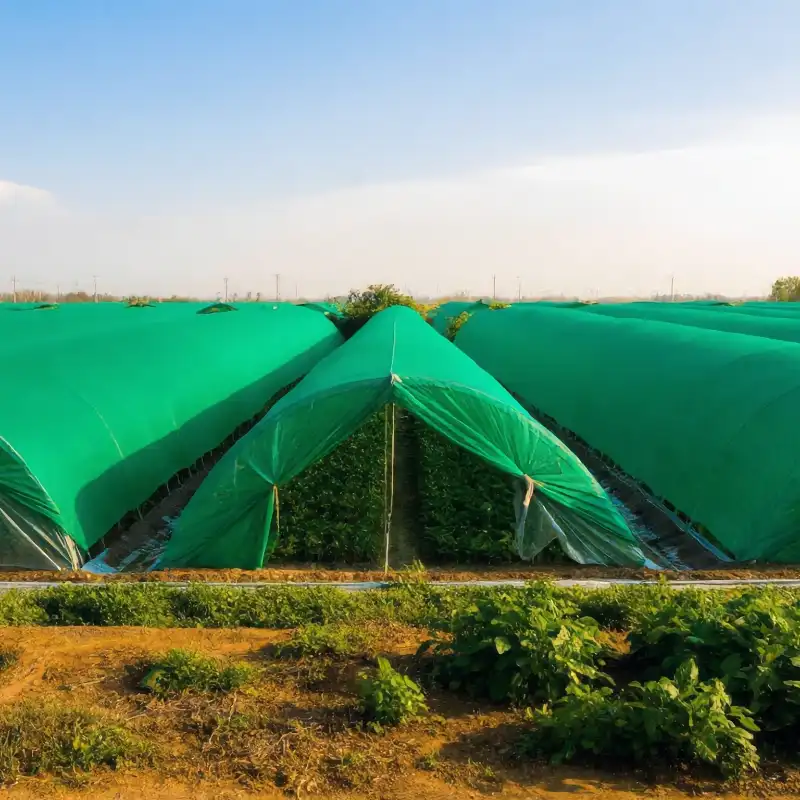
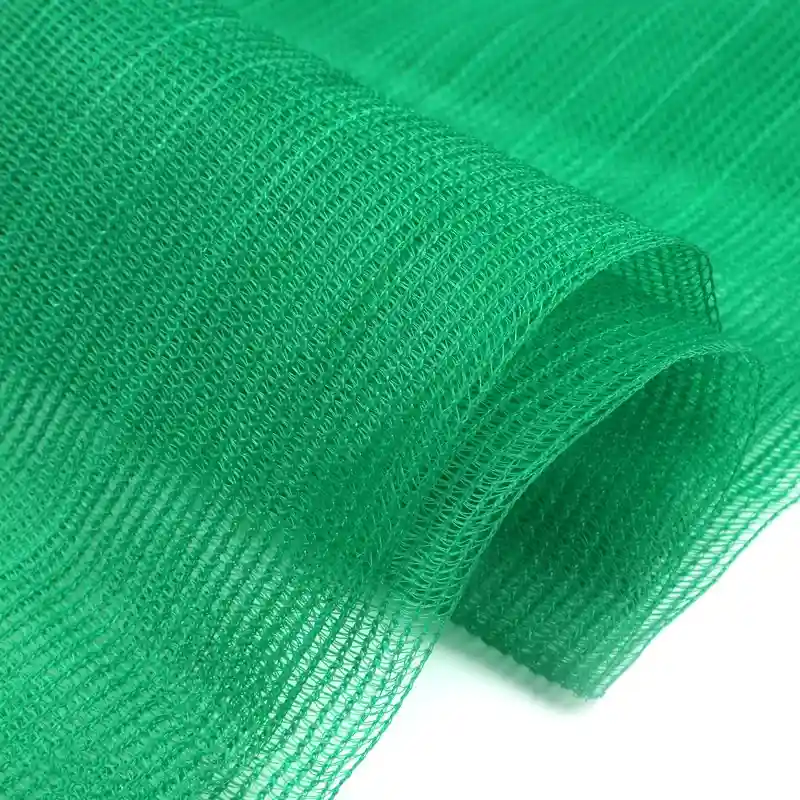
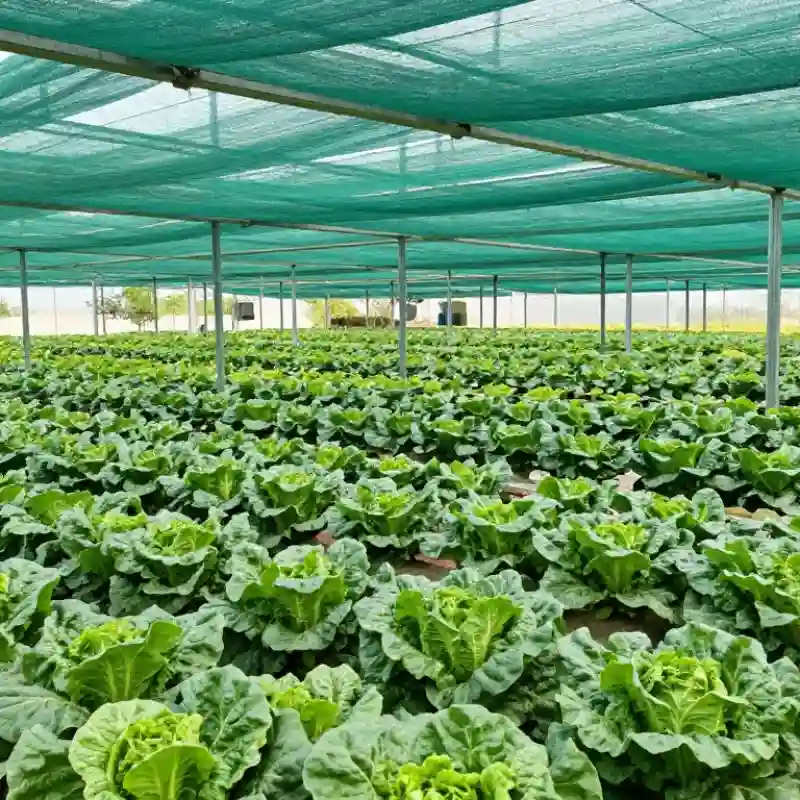
The mid-20th century marked a turning point with the introduction of synthetic polymers, particularly high-density polyethylene (HDPE). This material revolutionized the industry, allowing for the manufacturing of durable, UV-stabilized nets. These early synthetic sun shade nets for greenhouse farming were primarily black or green and offered a fixed percentage of shade. They were a massive improvement, significantly reducing heat stress and water evaporation, thereby improving overall crop viability.
However, as agricultural science advanced, it became evident that simply reducing sunlight was not enough. Different plants require varying light spectrums and intensities for optimal photosynthesis, growth, and fruiting. This realization sparked the next phase of innovation: the development of colored and specialized nets.
The Paradigm Shift: Understanding Crop-Specific Needs
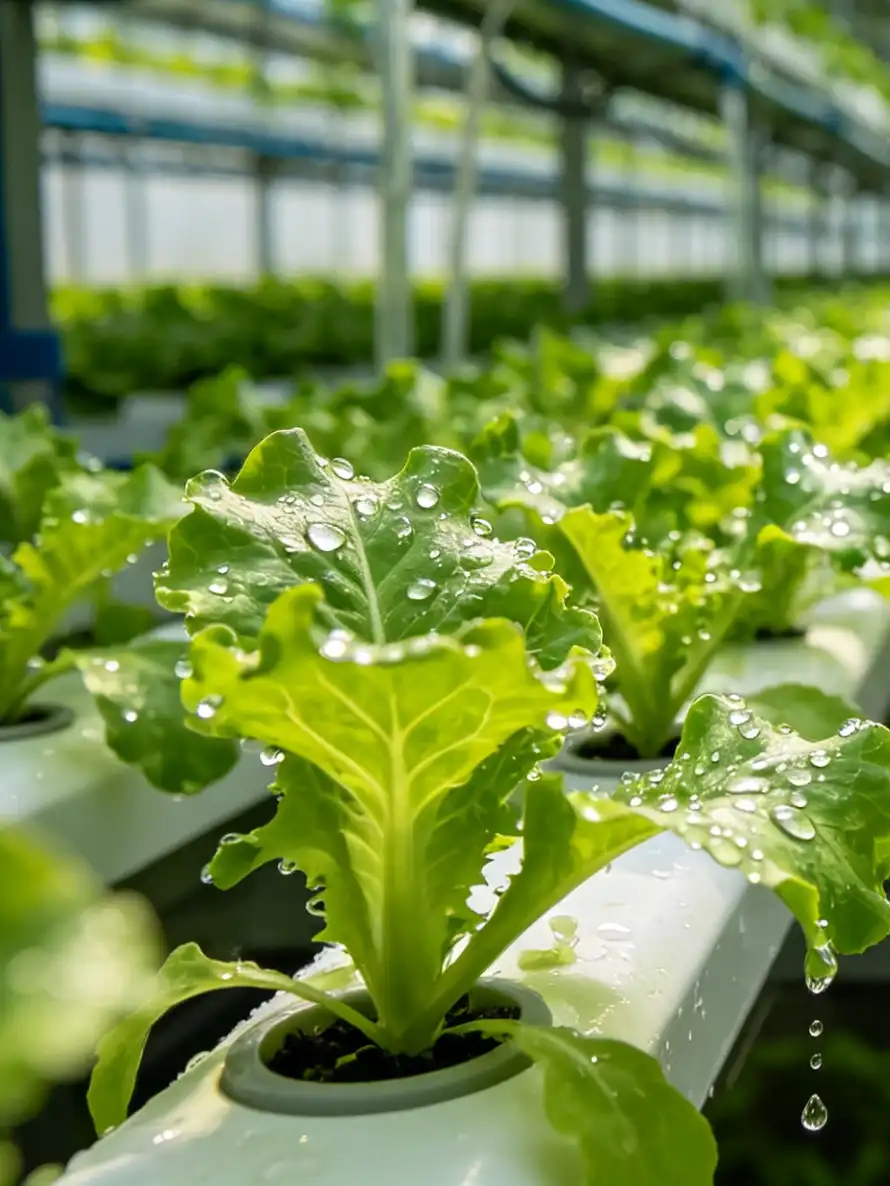
Today’s modern agriculture relies heavily on precision. Farmers are no longer just growing crops; they are managing microclimates. The role of agricultural netting has expanded beyond mere protection; it is now a critical tool for environmental control and yield optimization.
Different applications demand distinct solutions. For instance, a delicate orchid nursery requires a vastly different light transmission profile compared to a robust citrus orchard. The generic black shade cloth, while useful in some contexts, might inadvertently stunt the growth of light-hungry plants or fail to provide adequate cooling for sensitive varieties.
This is where the shift towards tailored solutions becomes paramount. The future of crop protection lies in utilizing crop-specific shading percentage nets that address the unique physiological requirements of each plant type. By controlling the quality and quantity of light that reaches the canopy, growers can influence plant morphology, flowering time, and fruit quality.
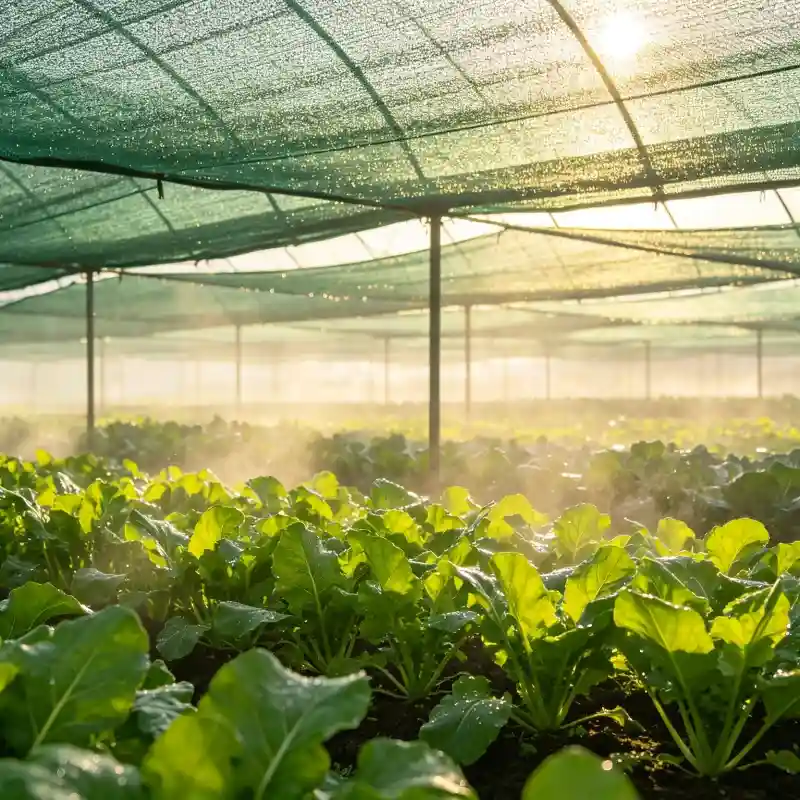
Comparing Standard vs. Custom Shade Solutions
| Feature | Standard Shade Nets | Custom Shade Solutions |
| Material | Usually standard HDPE | Advanced HDPE with specific additives (UV stabilizers, anti-drip, etc.) |
| Shade Percentage | Fixed options (e.g., 30%, 50%, 70%) | Tailored to exact crop requirements (e.g., 45%, 62%) |
| Color Options | Limited (mostly black, green) | Varied (red, blue, pearl, aluminized) for specific light spectrum manipulation |
| Dimensions | Standard roll sizes | Custom-cut and sewn to fit exact greenhouse or field dimensions |
| Primary Goal | Basic sun protection | Yield maximization, microclimate control, and resource efficiency |
The Rise of Customization: Tailoring Microclimates for Maximum Yield
The realization that standard nets are often insufficient has led forward-thinking manufacturers and growers to embrace customization. Custom shade solutions are not just about picking a different color; they involve a comprehensive approach to agricultural textile engineering.
A leading provider in this space, Powerician, understands that effective crop protection requires a deep understanding of agronomy combined with advanced manufacturing capabilities. When discussing custom solutions, several key factors come into play:
Light Spectrum Manipulation: Advanced nets are now designed to selectively filter sunlight. For example, red nets can scatter light and enhance the red spectrum, promoting vegetative growth and larger fruit size in certain crops. Conversely, pearl or aluminized nets reflect excess heat while diffusing light deeply into the plant canopy, preventing sunburn and improving overall photosynthesis.
Precise Shading Percentages: Instead of settling for a generic 50% shade, a grower might determine through trials that a custom woven agricultural netting for vegetables with exactly 42% shading provides the perfect balance of light and cooling for their specific tomato variety in their particular region.
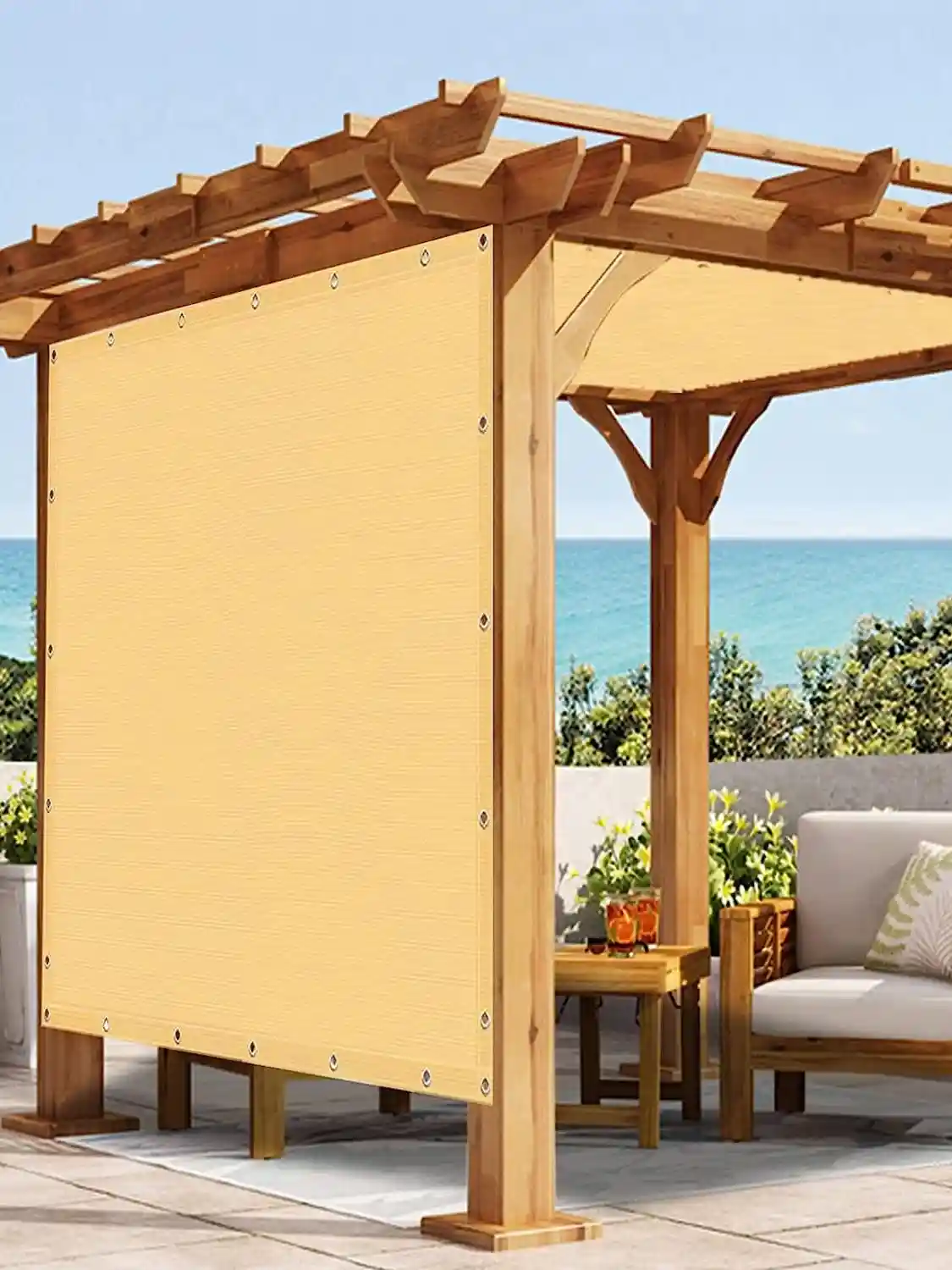
Structural Integration: Custom nets are often designed to integrate seamlessly with existing agricultural infrastructure. Whether it’s a retractable roof system, a high tunnel, or a sprawling commercial orchard hail protection net setup, the netting must fit perfectly to withstand wind loads and function correctly.
Specialized Additives: The longevity and functionality of the netting can be customized through specific additives during the extrusion process. This includes enhanced UV stabilizers for regions with extreme solar radiation or anti-dust treatments to ensure consistent light transmission over time.
Why Custom Solutions Are the Future
The agricultural sector is facing unprecedented challenges: a growing global population, shrinking arable land, and increasingly erratic weather patterns due to climate change. To overcome these hurdles, farming must become more efficient and resilient.
Custom shade solutions offer a path forward by providing several distinct advantages:
Increased Yield and Quality: By optimizing the microclimate, plants experience less stress, directing more energy towards growth and fruit production. This translates to higher yields and better-quality produce, which commands a premium in the market.
Resource Efficiency: Proper shading reduces water evaporation from the soil and transpiration from the plants. In water-scarce regions, a durable UV-treated farm shade cloth tailored for water conservation can significantly reduce irrigation needs.
Pest and Disease Management: Specialized nets, such as anti-insect screens, can be customized with specific mesh sizes to exclude particular pests without compromising ventilation. This reduces reliance on chemical pesticides, promoting sustainable farming practices.
Climate Resilience: Custom nets designed for extreme weather—like reinforced heavy-duty windbreak netting for agriculture or specialized anti-hail nets—protect investments from sudden, devastating losses.
As technology advances, we can expect even more sophisticated customized solutions. Innovations in smart textiles, which might dynamically adjust shading based on real-time environmental sensors, are already on the horizon.
Conclusion
The journey from simple woven covers to advanced, engineered textiles highlights the crucial role of innovation in agriculture. While standard shade nets have served the industry well, the future undoubtedly belongs to customization. By embracing tailored solutions, growers can move beyond basic protection and actively manage their crop’s environment, ensuring higher yields, superior quality, and sustainable farming practices for generations to come. Companies like Powerician are at the forefront of this shift, providing the customized, high-performance netting solutions that modern agriculture demands. The evolution of agricultural nets is an ongoing process, and the next chapter is all about precision and customization.
Frequently Asked Questions (FAQs)
1. How do I determine the right shade percentage for my specific crop?
The ideal shade percentage depends on the plant species, the local climate (especially peak summer temperatures and light intensity), and the developmental stage of the crop. Generally, shade-loving plants (like ferns or some orchids) require 70-80% shade, while sun-loving vegetables (like tomatoes or peppers) might only need 20-40% shade to prevent heat stress during the hottest part of the day. Consulting with agronomists or specialized suppliers like Powerician can help determine the optimal custom specification.
2. Are colored shade nets significantly better than traditional black or green nets?
Yes, in many specific applications. Colored nets (photoselective nets) not only provide shade but also alter the light spectrum reaching the plants. For instance, red nets can stimulate growth and increase fruit size in certain crops by increasing the proportion of red and far-red light. Pearl or aluminized nets are excellent for diffusing light and reducing temperatures without significantly reducing the light necessary for photosynthesis. The choice depends entirely on the specific goals for the crop.
3. What is the typical lifespan of a custom-manufactured agricultural shade net?
The lifespan varies significantly based on the quality of the material, the amount of UV stabilization added, and the environmental conditions (e.g., wind, chemical exposure). High-quality, custom-engineered nets made from high-density polyethylene (HDPE) with robust UV inhibitors can last anywhere from 5 to 10 years, and sometimes longer. Choosing a reputable manufacturer ensures you are getting a durable product designed for your specific climate challenges.