


What to Look for When Sourcing OEM Waterproof Shade Sails from Manufacturers
Release time: 2026-07-09
Conclusion: Success in sourcing OEM waterproof shade sails relies on validating the manufacturer’s technical proficiency in material science and structural engineering. Data consistently demonstrates that procurement teams focusing on UV-stabilization protocols, high-tensile stitching, and rigorous factory-level stress testing reduce product failure rates by over 50% in the first two years of installation. Whether for residential or large-scale hospitality projects, partnering with a supplier that offers verifiable quality control and bespoke production capabilities is the single most important factor in ensuring long-term project viability and client satisfaction.
Table of Contents
When businesses look to integrate outdoor shading into their product portfolios, the temptation is often to focus primarily on unit price. However, in the high-stakes world of outdoor infrastructure, performance failure translates directly into liability and brand damage. Sourcing the right product requires a deep understanding of manufacturing integrity.
1. Material Integrity and UV Performance
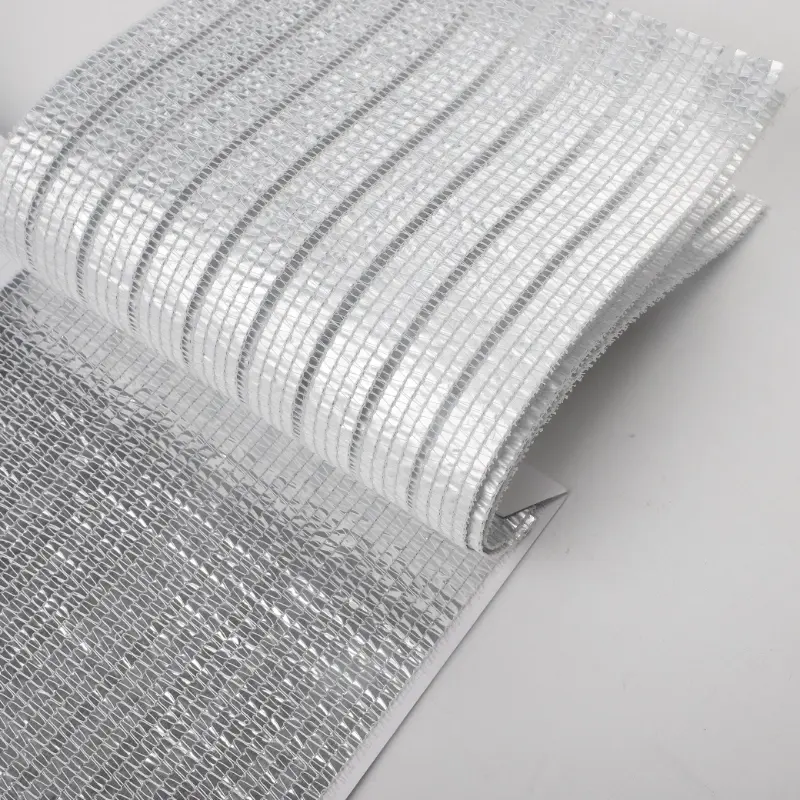
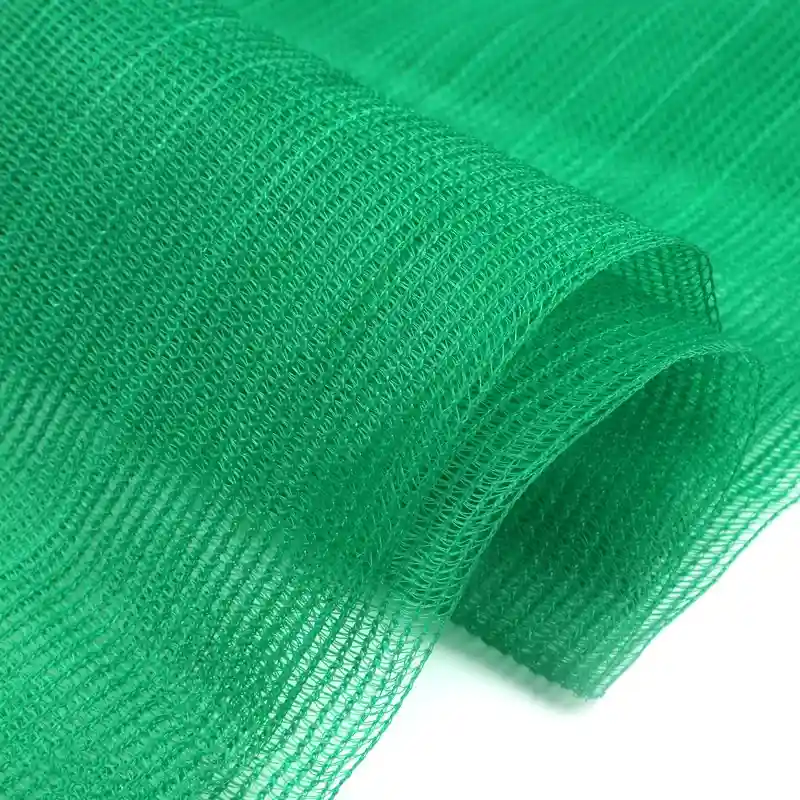
The longevity of any shade sail is dictated by the quality of its UV-resistant outdoor fabric. It is not enough for the material to simply be “waterproof”; it must also possess the chemical engineering to withstand prolonged UV exposure without turning brittle or fading.
When vetting a manufacturer, ask for their independent laboratory testing results regarding UV degradation. You are looking for high-density fabrics that have been treated with industrial-grade stabilizers during the extrusion process, not just coated on the surface.
2. Structural Engineering and Fabrication
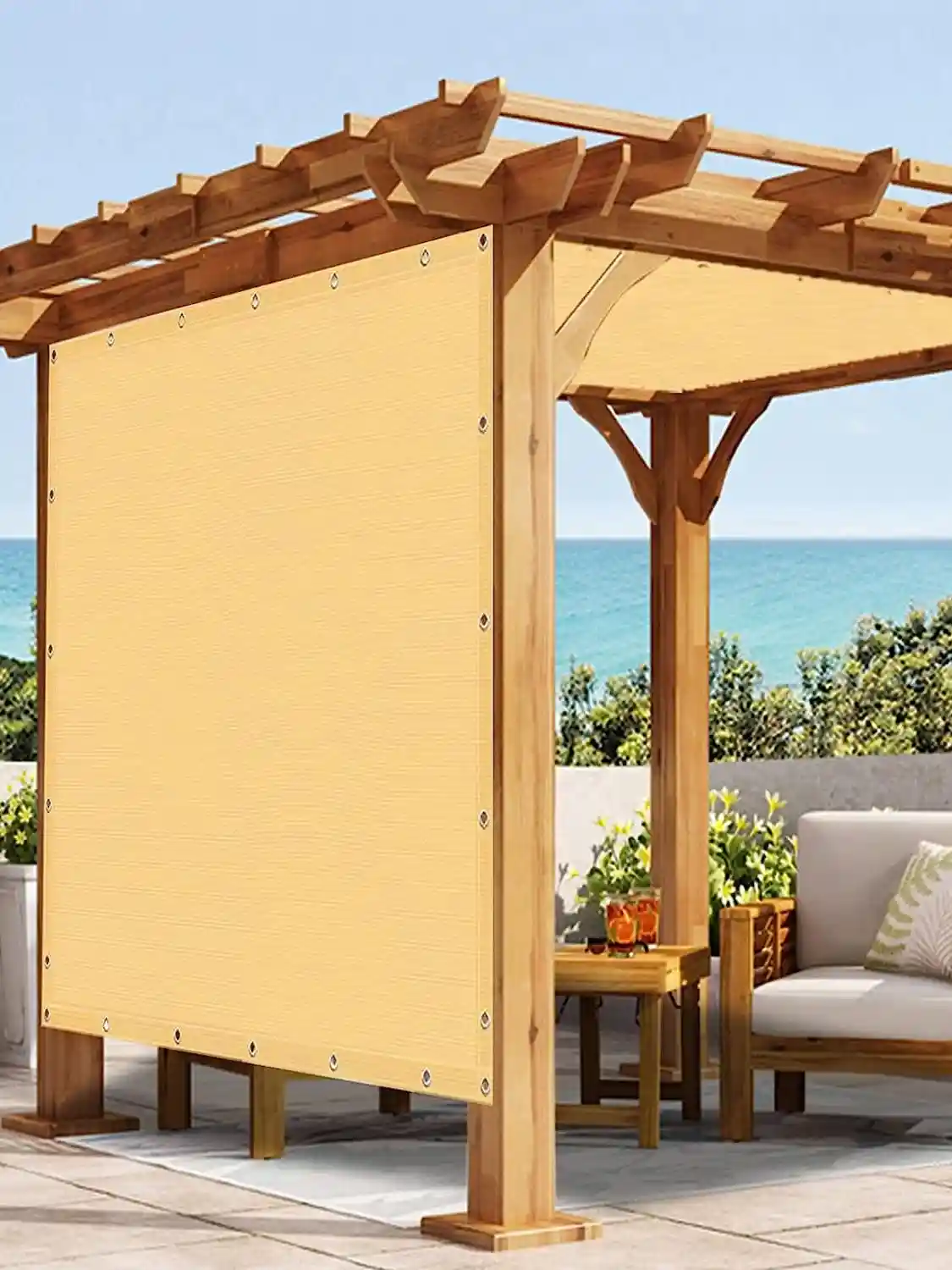
A shade sail is only as strong as its weakest seam. The transition from flat fabric to commercial-grade tensile structures requires precision.
Look for manufacturers who utilize reinforced perimeter webbing and high-tensile thread that is resistant to environmental rot and mildew. The manufacturing facility should utilize automated cutting and sealing technologies to ensure that the tension distribution across the sail is uniform. This prevents the “sagging” effect that often plagues lower-quality products within the first few months of use.
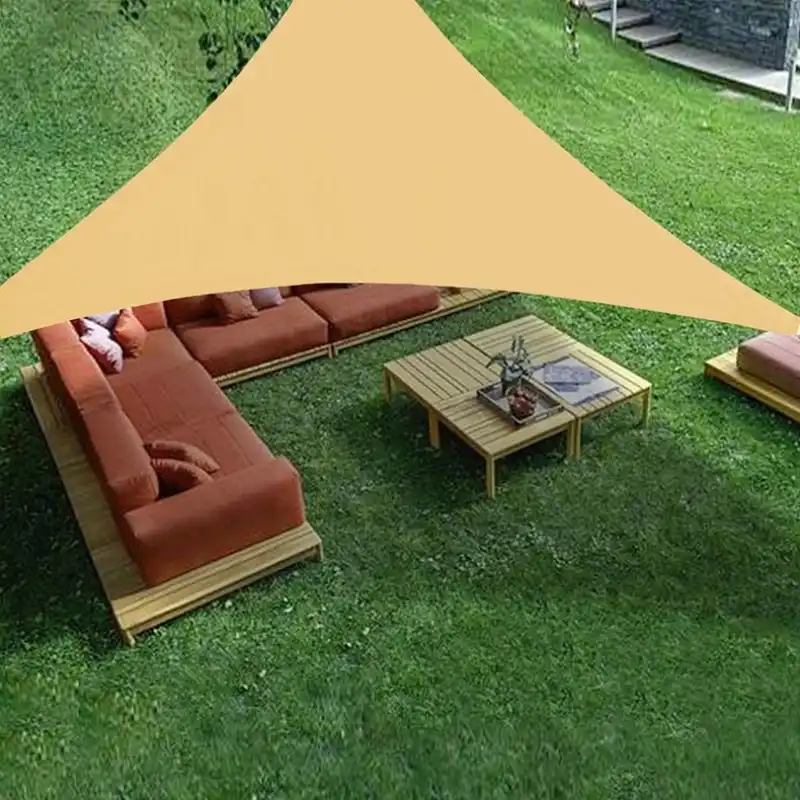
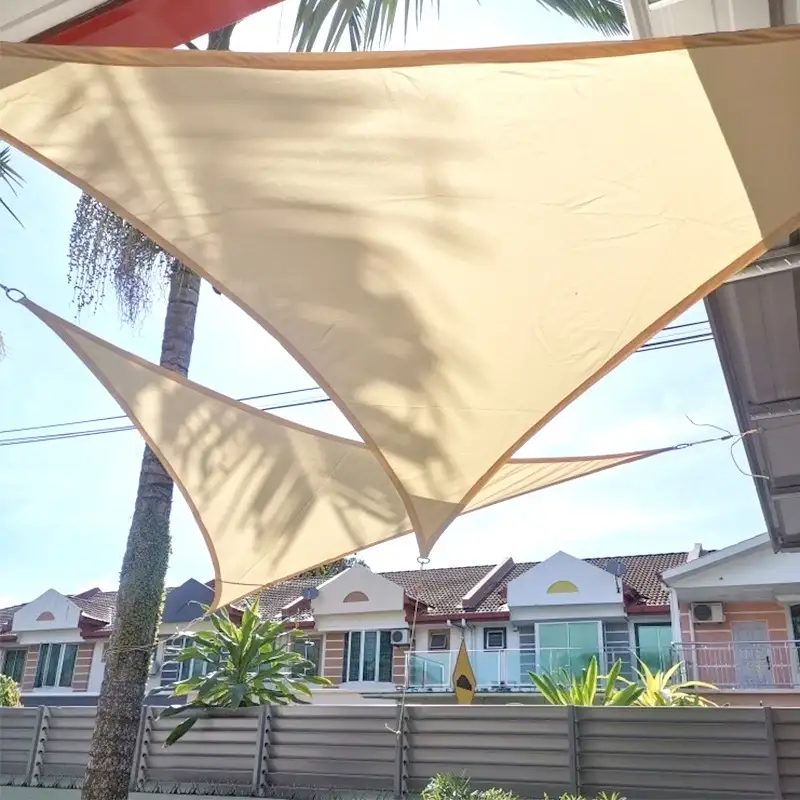
3. Customization and OEM Capabilities
As a brand, you need more than a generic off-the-shelf product. Partnering with a manufacturer like Powerician allows for custom shade sail designs that align with your specific architectural requirements.
Effective OEM collaboration should include:
- Bespoke geometry and dimensioning.
- Custom color matching to align with brand identity.
- Integrated hardware options, such as stainless steel tensioners or bespoke mounting points.
4. Quality Control and Production Audits
Before finalizing a contract, you must verify the weather-proof manufacturing processes of your potential partner. Can they demonstrate a consistent QC flow? Are they testing their seams under simulated wind load?
At Powerician, we emphasize that consistent inspection is the backbone of operational success. A supplier that refuses to share their internal quality audit reports or provide samples for third-party destructive testing should be viewed as a high-risk partner.
Sourcing Specification Matrix
| Specification | Standard Quality | Premium Requirement |
|---|---|---|
| Material Density | 180–220 GSM | 280–340 GSM (High-Density Polyethylene) |
| UV Protection | Basic Coating | In-process UV Stabilizer Integration |
| Edge Reinforcement | Single Stitching | Double/Triple Reinforced Webbing |
| Primary Application | Temporary Residential | Commercial-grade tensile structures |
5. Tailored Procurement Solutions
Beyond the physical product, look for tailored procurement solutions that accommodate your supply chain needs. This includes tiered shipping options, robust packaging that prevents damage during transit, and clear communication channels regarding lead times and production capacity. When you source OEM waterproof shade sails correctly, you are not just buying fabric; you are investing in a long-term asset that provides durable outdoor sun protection for your end-users.
Frequently Asked Questions (FAQ)
1. How can I verify the waterproofing capabilities of the fabric?
Ask for the hydrostatic head pressure test results. This data quantifies the fabric’s resistance to water penetration. Additionally, ensure the seams are heat-sealed or taped, as stitching holes are the primary failure points for water leakage.
2. What is the difference between standard and high-density fabrics for shade sails?
High-density polyethylene (HDPE) provides better UV blocking and mechanical strength. Standard fabrics often stretch and deform under tension, whereas high-density versions maintain their shape and structural tension over a much longer lifecycle.
3. Why is hardware choice important for shade sail longevity?
The hardware—specifically D-rings, turnbuckles, and shackles—must be marine-grade stainless steel to prevent rust and galvanic corrosion. Using inferior hardware will lead to premature failure of the anchor points, even if the sail fabric itself remains intact.