

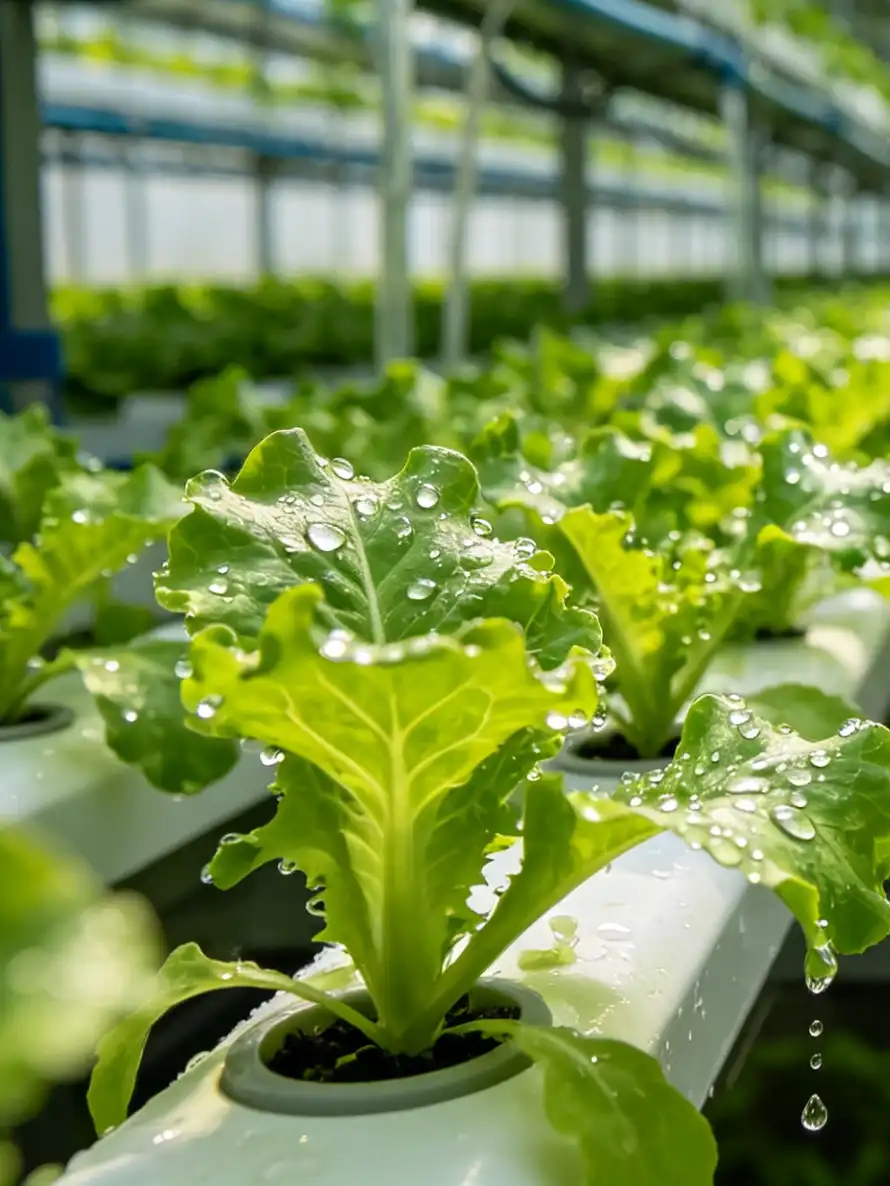
Innovative Applications of Custom Plastic Netting in Agriculture
Release time: 2026-06-29
Table of Contents
Modern agriculture faces the dual challenges of maximizing yield while minimizing environmental impact and resource consumption. In this quest for efficiency and sustainability, custom plastic netting has emerged as a versatile and indispensable tool for farmers and growers worldwide. Far beyond simple fencing, these specialized nets are engineered to provide precise solutions for a myriad of agricultural needs, from crop protection to structural support. This article explores the innovative applications of agricultural netting and how it is revolutionizing farming practices.
The Evolution of Agricultural Netting
Historically, farmers relied on rudimentary materials to protect their crops. However, the advent of advanced polymer technologies has led to the development of highly specialized netting. Today’s durable plastic net products are manufactured from robust materials like high-density polyethylene (HDPE) or polypropylene, often treated with UV stabilizers to withstand prolonged exposure to sunlight and harsh weather conditions.
The key to their effectiveness lies in customization. Manufacturers can precisely control the mesh size, strand thickness, tensile strength, and even the color of the netting to suit specific agricultural applications. This level of tailoring ensures that the netting performs its intended function optimally without hindering plant growth.
Key Applications in Modern Farming
The versatility of agricultural netting is evident in its wide range of applications across different farming sectors.
1. Crop Protection and Pest Management
One of the primary uses of custom plastic netting is to shield crops from various threats.
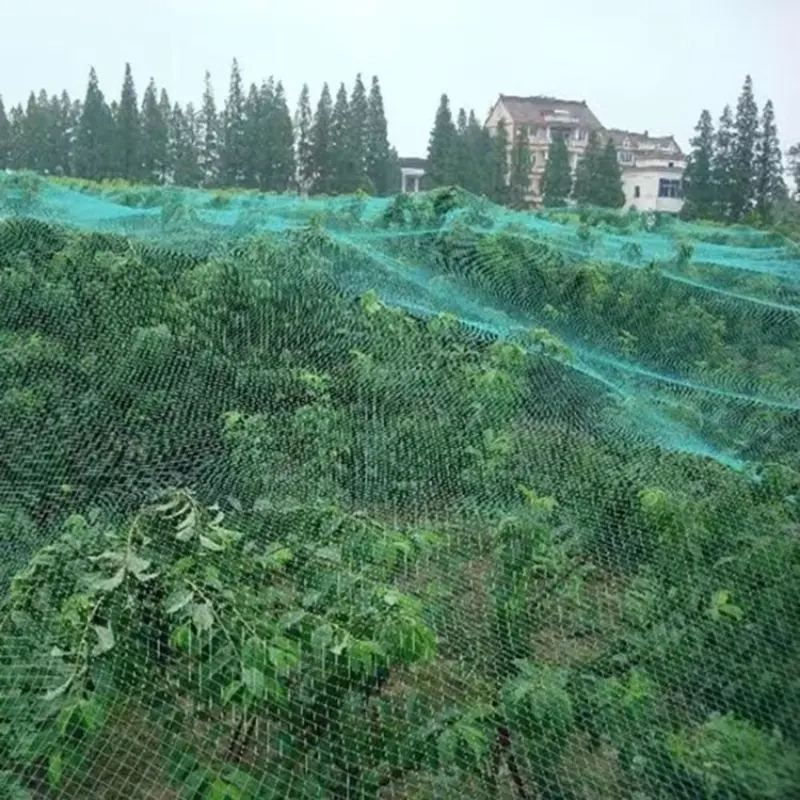
- Bird and Bat Control: Fruit orchards and vineyards often suffer significant losses due to avian and mammalian pests. Netting with specific mesh sizes provides a physical barrier, preventing these animals from accessing the fruit without harming them. Anti-bird netting solutions are a humane and highly effective method of crop preservation.
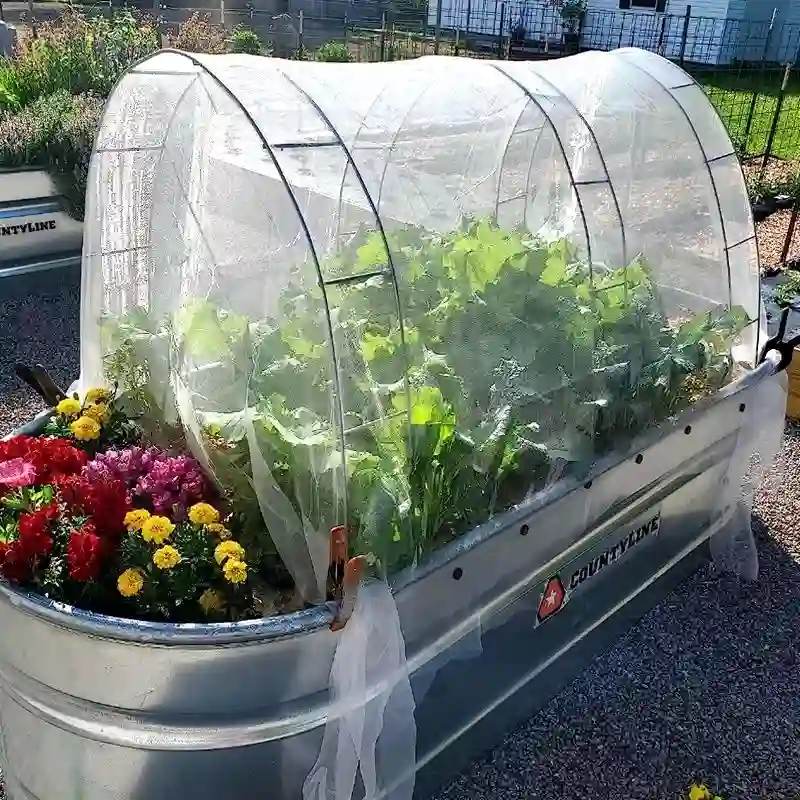
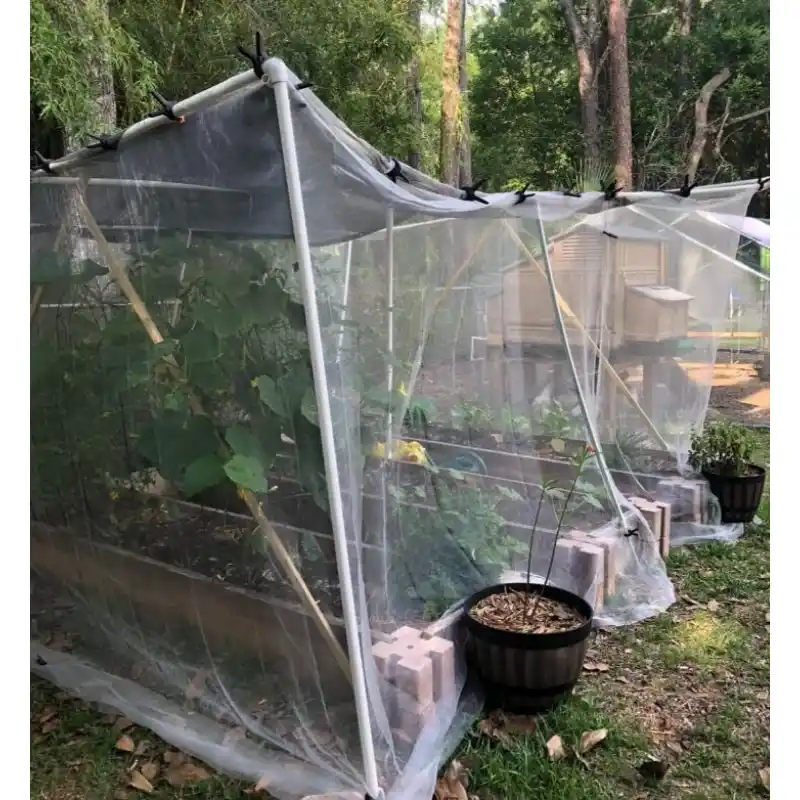
- Insect Exclusion: For high-value crops or organic farming, fine-mesh netting acts as an insect exclusion screen. By creating a physical barrier against aphids, whiteflies, and other harmful insects, farmers can significantly reduce or eliminate the need for chemical pesticides, promoting healthier crops and a safer environment.
- Hail and Weather Protection: Unpredictable weather events, particularly hail, can devastate a crop in minutes. Heavy-duty hail netting absorbs the impact of hailstones, preventing them from damaging delicate fruits and leaves. Additionally, certain types of netting can provide windbreaks, protecting plants from physical damage and excessive transpiration.
2. Microclimate Modification
Agricultural netting is increasingly used to alter the microclimate around crops, creating more favorable growing conditions.
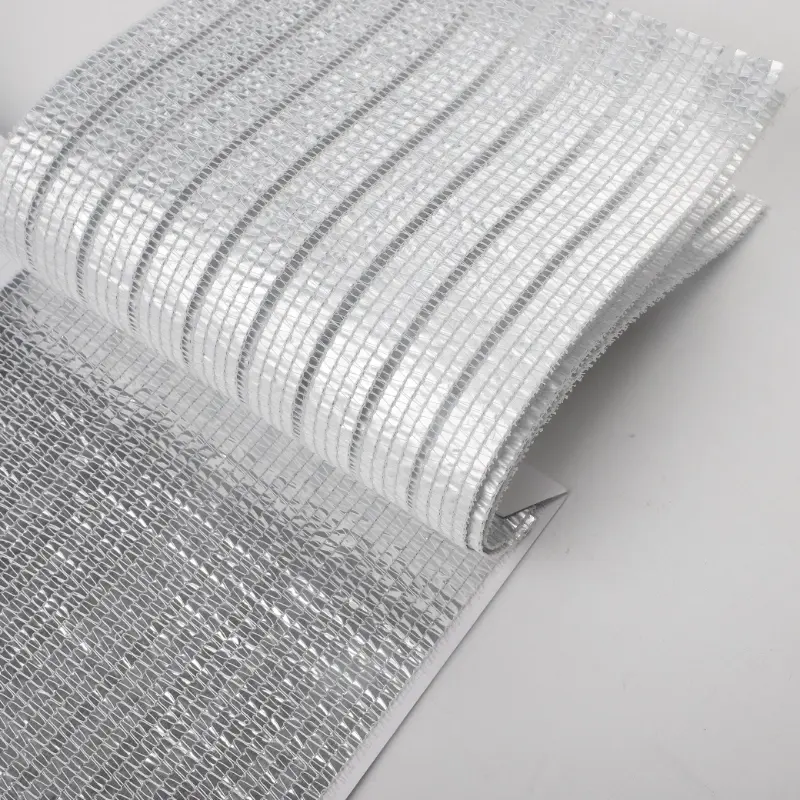
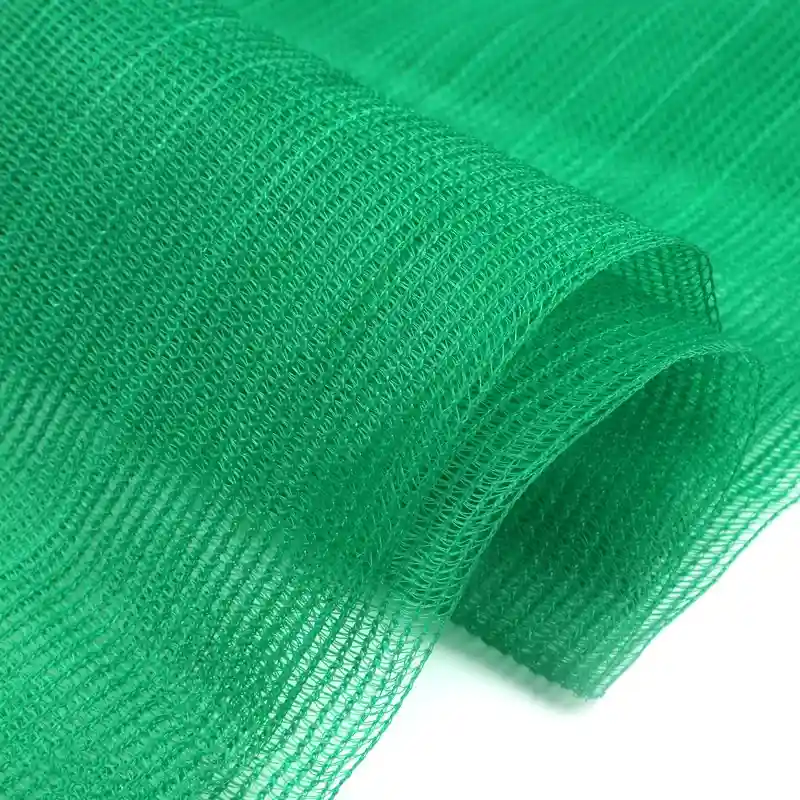
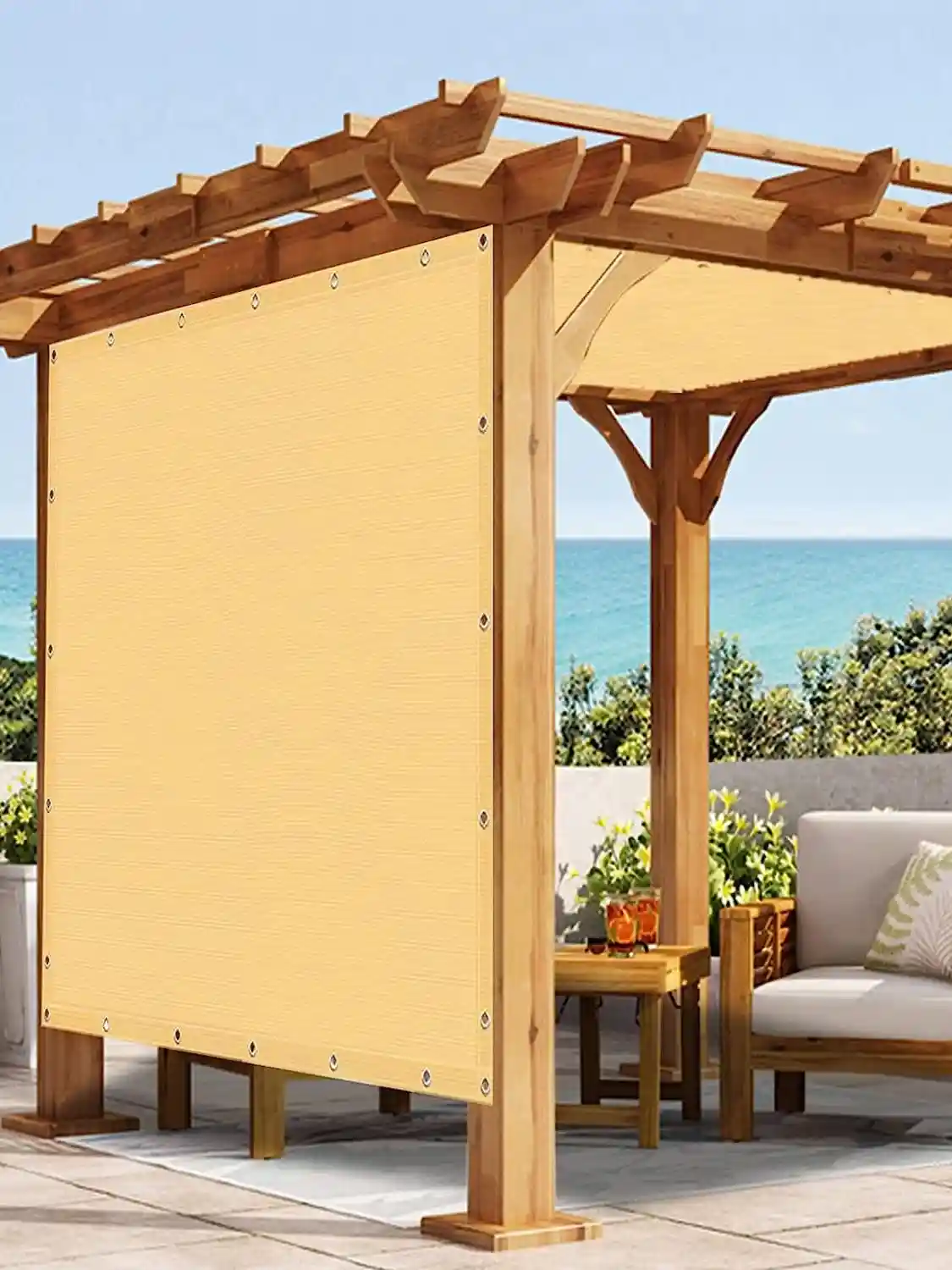
- Shade and Temperature Regulation: Excessive sunlight and heat can cause sunburn on fruits and stress plants, leading to reduced yields. Shade netting, available in various shading percentages, diffuses sunlight, lowering temperatures and reducing evaporation rates. This is particularly crucial in arid regions or for shade-loving crops. Custom shade cloth for greenhouses allows growers to fine-tune the light transmission for specific plant varieties.
- Frost Protection: During unexpected cold snaps, specialized thermal netting can trap heat radiating from the soil, creating a warmer microclimate that protects sensitive plants from frost damage.
3. Structural Support and Harvesting
Beyond protection, durable plastic nets play a crucial role in plant growth and the harvesting process.
- Trellising and Plant Support: Vining crops like tomatoes, cucumbers, and beans require support to grow upright. Heavy-duty plant support netting provides a strong framework, improving air circulation around the plants, reducing disease incidence, and making harvesting easier.
- Harvesting Assistance: In olive and nut orchards, large nets are often laid on the ground before harvest. When the trees are shaken, the falling produce is caught by the netting, preventing contact with the soil and streamlining the collection process.
Advantages of Using Custom Plastic Netting
The widespread adoption of agricultural netting is driven by several compelling advantages:
| Feature | Benefit to the Farmer |
|---|---|
| Customization | Tailored mesh sizes and materials ensure optimal performance for specific crops and threats. |
| Durability | UV-stabilized polymers provide long-lasting performance, resisting degradation from sun and chemicals. |
| Cost-Effectiveness | While requiring an initial investment, the reduction in crop loss and pesticide use often results in a high return on investment. |
| Eco-Friendly | By reducing reliance on chemical pesticides and promoting efficient resource use, netting supports sustainable farming practices. |
| Improved Yield Quality | Protection from pests, weather, and sunburn leads to higher quality, more marketable produce. |
Choosing the Right Netting for Your Needs
Selecting the appropriate agricultural netting requires careful consideration of several factors:
- Target Threat: Identify the primary issue you need to address (e.g., specific birds, insects, hail, intense sun).
- Crop Type: Different crops have varying requirements for light, ventilation, and support.
- Environmental Conditions: Consider the local climate, including wind speeds, UV intensity, and temperature fluctuations.
- Longevity Requirements: Decide whether you need a temporary solution for a single season or a permanent installation that will last for years.
Consulting with a reputable manufacturer or supplier is crucial. They can assess your specific situation and recommend the optimal combination of material, mesh size, and structural design. Commercial-grade agricultural netting is an investment that requires expert guidance to maximize its value.
Conclusion
The innovative applications of custom plastic netting have transformed modern agriculture. From creating controlled microclimates to providing robust defense against pests and extreme weather, these engineered solutions empower farmers to enhance productivity, improve crop quality, and operate more sustainably. As agricultural challenges continue to evolve, the development of even more specialized and durable plastic net products will undoubtedly play a critical role in securing the future of global food production.
Frequently Asked Questions (FAQs)
Q1: How long does agricultural netting typically last?
A: The lifespan of a durable plastic net depends on its material, thickness, and UV stabilization. High-quality, UV-treated HDPE netting can last anywhere from 5 to 10 years, or even longer, depending on the intensity of sunlight and physical wear and tear in your specific location.
Q2: Will shade netting negatively impact plant growth by blocking too much light?
A: Not if chosen correctly. Shade netting is available in different shading percentages (e.g., 30%, 50%, 70%). It’s essential to select a percentage that diffuses intense sunlight to prevent heat stress and sunburn while still allowing adequate photosynthetically active radiation (PAR) to reach the plants.
Q3: Is custom plastic netting environmentally friendly?
A: Yes, in several ways. By providing physical barriers against pests, it significantly reduces the need for chemical pesticides, which benefits the surrounding ecosystem. Furthermore, many modern agricultural nets are made from recyclable materials like high-density polyethylene, minimizing their long-term environmental footprint.