The Science of UV Resistance: Extending the Lifespan of Your Farm Protection
Release time: 2026-08-13
Table of Contents
Modern agriculture faces an ongoing battle against unpredictable weather and intense solar radiation. For farmers and greenhouse operators, protecting crops from environmental stress is paramount to ensuring yield and quality. The cornerstone of this protection often lies in the quality of the netting used. Understanding the science behind these materials, specifically how they resist degradation from the sun, is crucial for making informed, long-lasting investments. This article explores the technology that makes modern agricultural netting a durable solution for crop protection, focusing on the critical role of ultraviolet (UV) stabilization.
Understanding the Threat: How UV Rays Degrade Agricultural Nets
Sunlight is essential for plant growth, but the ultraviolet (UV) spectrum of sunlight can be highly destructive to polymers like those used in agricultural netting. When exposed to the sun, untreated plastics undergo a process called photo-oxidation. UV radiation breaks the polymer chains, leading to a loss of tensile strength, embrittlement, and eventually, the complete breakdown of the material. In a farming environment, a compromised net means failed crop protection, risking sunburn, heat stress, and pest infestation.
To combat this, manufacturers engineer specific additives into the plastic during the manufacturing process. These are not merely surface coatings; they are chemical stabilizers integrated directly into the resin, designed to absorb or reflect harmful UV rays, thereby protecting the structural integrity of the polymer itself.
The Foundation of Durability: High-Density Polyethylene (HDPE)
The most effective modern farm protection starts with the right base material. High-Density Polyethylene (HDPE) is the industry standard for high-quality agricultural netting. Compared to other plastics or recycled materials, virgin HDPE offers superior inherent strength, flexibility, and resistance to environmental stress cracking.
When you invest in a UV-resistant HDPE shade screen, you are choosing a product engineered from the ground up to withstand harsh outdoor conditions. The high-density molecular structure of HDPE provides an excellent matrix for integrating UV inhibitors, ensuring they remain effective over a prolonged period. This material choice is fundamental to extending the lifespan of your farm protection infrastructure.
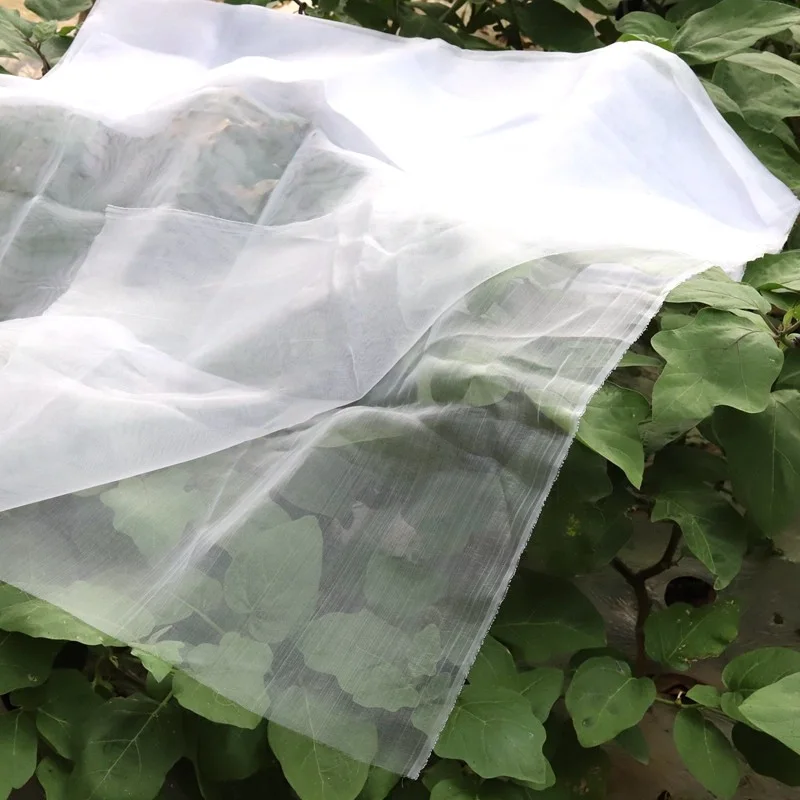
Advanced Manufacturing: The Role of Monofilament Yarns
The way the plastic is formed and woven significantly impacts its durability. Shade nets are typically manufactured using either tape yarns (flat strips) or monofilament yarns (round threads). For applications requiring maximum strength and longevity, monofilament construction is vastly superior.
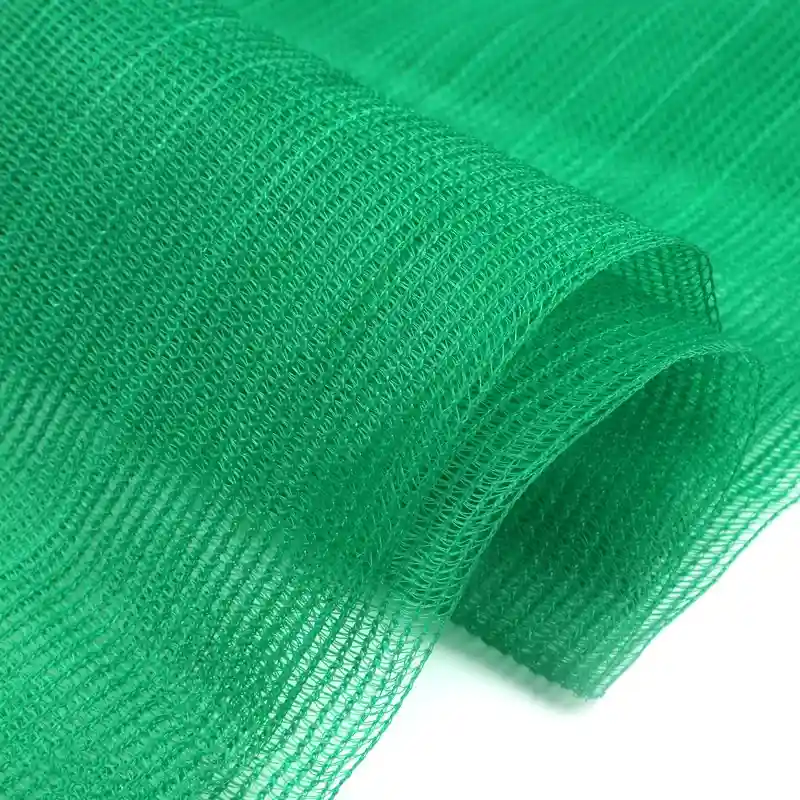
A monofilament agriculture shade net is woven from extruded, round HDPE threads. This structure provides several distinct advantages:
- Higher Tensile Strength: Monofilament yarns are significantly stronger than tape yarns, making the net more resistant to tearing from high winds, heavy rain, or mechanical stress during installation and daily use.
- Better Aerodynamics: The round profile of the yarn allows wind to pass through more easily, reducing the physical strain on the net and its supporting structure.
- Superior UV Resistance: The round surface area of a monofilament yarn is less susceptible to rapid UV degradation compared to the flat, broader surface of a tape yarn.
When combined with premium UV stabilizers, the resulting anti-aging mono shade net offers exceptional performance. The term “anti-aging” in this context refers specifically to the netting’s ability to resist the chemical breakdown caused by prolonged UV exposure and temperature fluctuations, maintaining its flexibility and strength for years, rather than months.
Strategic Applications: Choosing the Right Protection
The effectiveness of your farm protection relies on matching the specific type of netting to the crop and the local climate. Different shading rates and colors offer tailored solutions. By selecting the appropriate configuration, growers can optimize light transmission, control temperature, and improve overall crop health.
Below is a guide to help select the right shade factor for various agricultural needs:
| Shade Percentage | Recommended Applications & Suitable Crops | Key Benefits |
| 30% – 40% | Greenhouse climate control for light-demanding crops (e.g., tomatoes, peppers, cucumbers). | Reduces heat stress during peak summer while allowing maximum necessary light for photosynthesis. |
| 50% – 60% | General agriculture, nursery plant protection, leafy greens (lettuce, spinach), and some flowering plants. | The most versatile option; provides significant cooling and sunburn protection for a wide variety of plants. |
| 70% – 80% | Shade-loving plants (ferns, orchids), livestock shading solutions, and areas with extreme solar intensity. | Drastically lowers ambient temperature; excellent for animal comfort and protecting highly sensitive flora. |
| 90% – 95% | Commercial agricultural windbreaks, privacy screens, and specialized propagation areas. | Maximum shade; robust physical barrier against wind and harsh environmental conditions. |
Powerician: Engineering Reliable Farm Solutions
When sourcing materials for critical infrastructure, partnering with an experienced manufacturer is vital. Powerician specializes in developing high-performance agricultural textiles. Their commitment to using 100% virgin HDPE ensures a robust foundation, while their advanced integration of high-concentration UV inhibitors guarantees long-lasting performance.
By focusing on precision manufacturing, such as the production of robust monofilament structures, Powerician delivers solutions designed to endure. Whether you require a specialized anti-aging mono shade net for a challenging climate or a standard monofilament agriculture shade net for a large-scale operation, understanding the science behind these materials allows you to make an investment that truly protects your livelihood.
Investing in a high-quality UV-resistant HDPE shade screen is not just about immediate crop protection; it is a strategic decision that reduces replacement costs, minimizes labor downtime, and provides consistent, reliable environmental control season after season.
Frequently Asked Questions (FAQ)
1. How long should a high-quality UV-resistant shade net typically last?
A well-manufactured shade net, constructed from virgin HDPE and treated with high-concentration UV inhibitors, should typically last between 5 to 8 years under normal outdoor agricultural conditions. The exact lifespan will depend on the intensity of the local climate (especially UV index), wind exposure, and proper installation. Using an anti-aging mono shade net generally pushes the lifespan toward the higher end of that spectrum compared to standard tape nets.
2. Is there a significant difference between using recycled plastic and virgin HDPE for agricultural netting?
Yes, there is a critical difference. Recycled plastics have already undergone some degree of thermal degradation during their initial manufacturing and recycling processes. They often have shorter polymer chains and may contain impurities, making them significantly weaker and much more susceptible to rapid UV degradation. A UV resistant HDPE shade screen made from 100% virgin material offers superior tensile strength, tear resistance, and a much longer, more predictable service life, making it the more cost-effective choice in the long run.
3. Why is a monofilament net recommended for areas with high winds?
A monofilament agriculture shade net is woven from round, extruded threads rather than flat plastic tapes. This round structure is inherently stronger and more resistant to tearing. More importantly, the round yarns create a more aerodynamically efficient mesh. Wind passes through the rounded structure more easily than it does through flat tapes, which reduces the “sail effect” and the overall physical strain on both the netting material and the supporting greenhouse or framework.