




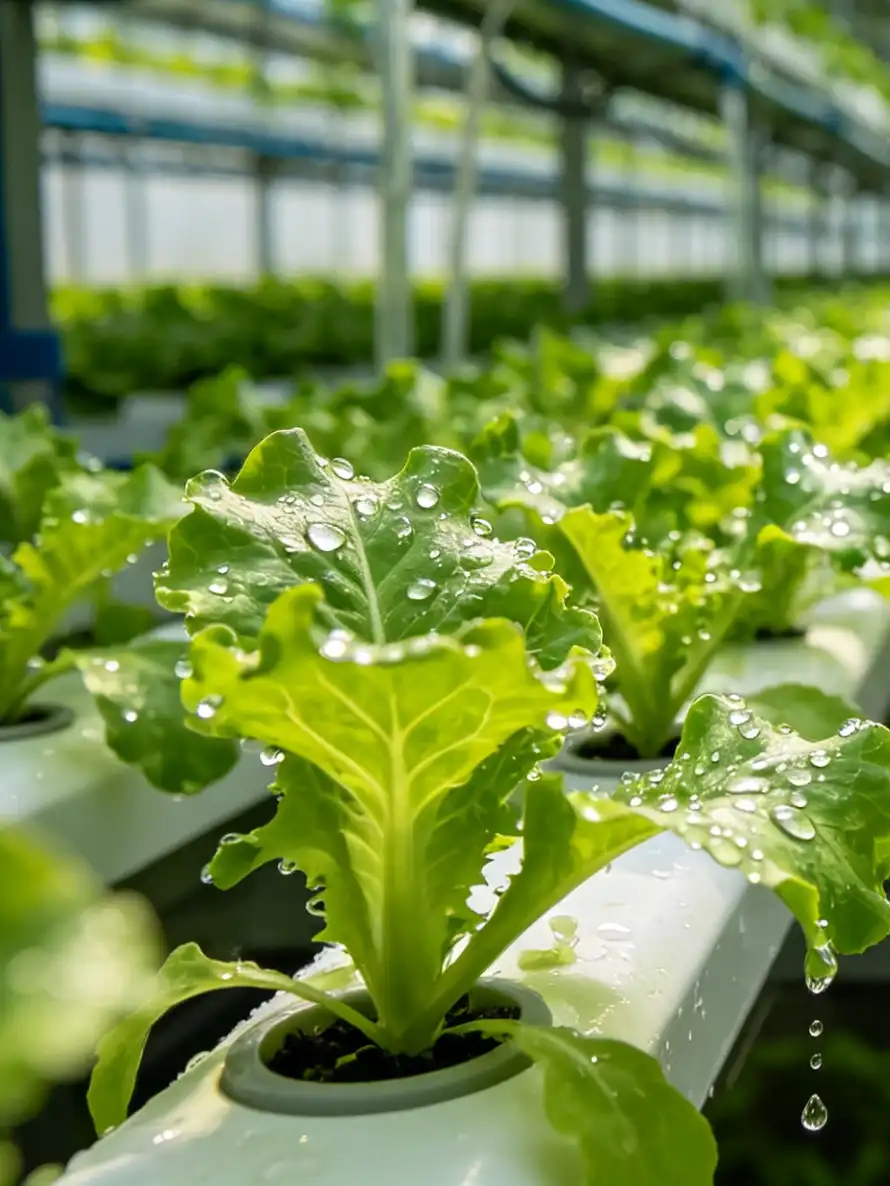
Why Modern Farms Are Replacing Traditional Plastic Covers with PLA Biodegradable Weed Barrier Fabrics
Release time: 2026-09-04
Table of Contents
Traditional petroleum-based plastic films have dominated weed control and soil moisture retention for decades. However, the true financial and environmental cost of conventional plastic is catching up with global commercial farming. From heavy labor expenses during seasonal removal to strict regulatory penalties over soil microplastic pollution, growers are under immense pressure to modernize their land management strategies.
Enter Polylactic Acid (PLA)—a bio-based material synthesized from renewable plant starches like corn and sugarcane. Forward-thinking agricultural enterprises are shifting toward the PLA biodegradable weed barrier as an eco-friendly, cost-effective alternative to single-use synthetic sheets.
Here is why commercial orchards, greenhouses, and organic farms are making the permanent upgrade.
The Hidden Costs of Conventional Plastic Mulch
While traditional PE (polyethylene) film appears cheap during initial procurement, its long-term operational costs tell a different story.
Conventional PE Film Process:
[ Purchase ] ➔ [ Field Installation ] ➔ [ Season End ] ➔ [ Labor-Intensive Removal ] ➔ [ Hazardous Disposal Fees ]

PLA Biodegradable Fabric Process:
[ Purchase ] ➔ [ Field Installation ] ➔ [ Season End ] ➔ [ Natural Tilling Into Soil ] ➔ [ Zero Disposal Cost ]
When conventional plastic degrades under harsh ultraviolet light, it tears into thousands of fragmented pieces. Workers must spend hundreds of man-hours manually pulling shredded plastic out of the dirt before the next planting cycle.
Furthermore, residual plastic fragments pollute topsoil, inhibiting root aeration, restricting water infiltration, and lowering overall crop yield over time. As international environmental regulations tighten—especially across Europe and North America—farms using standard synthetic sheeting face rising waste disposal surcharges.
What Makes PLA Material Superior in Sustainable Farming?
PLA fabric is not merely “degradable”; it is fully compostable. Under standard environmental conditions, soil microorganisms naturally digest PLA fibers, breaking them down into water, carbon dioxide, and organic biomass without leaving toxic chemical residues or microplastics behind.
| Feature | Conventional PE Sheeting | PLA Biodegradable Weed Barrier |
| Primary Material | Petroleum-Derived Polyethylene | Plant-Based Polylactic Acid |
| Environmental Footprint | Leaves persistent microplastics | 100% bio-based & eco-safe |
| Tensile & Tear Resistance | High initially, brittle after UV exposure | Engineered high durability throughout the growing season |
| Post-Harvest Labor | High (manual retrieval required) | Zero (can be tilled directly into soil) |
| Water & Air Permeability | Impermeable (causes soil compaction) | Breathable woven structure for healthy root respiration |
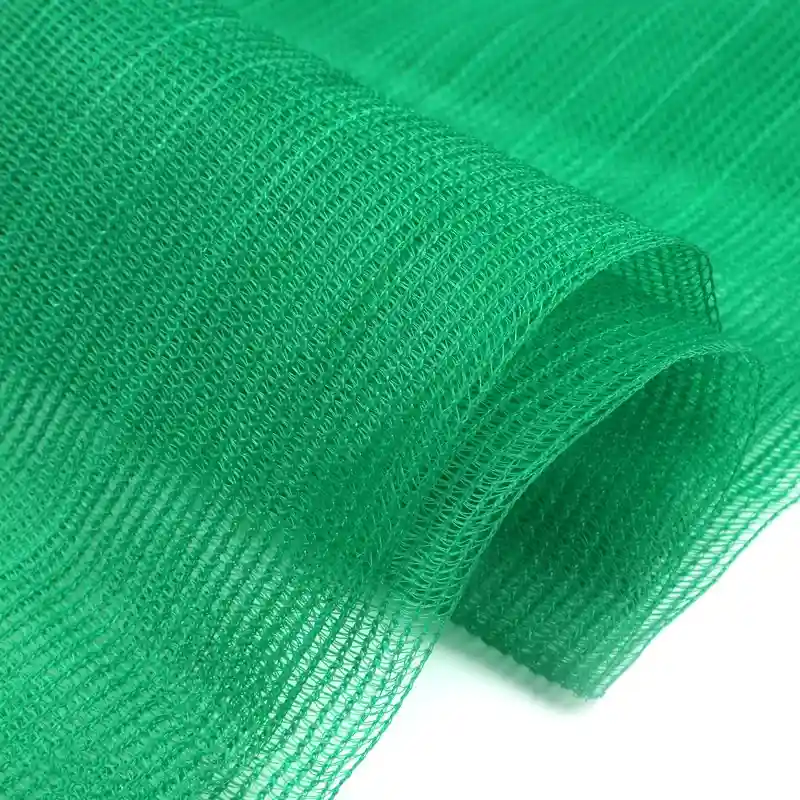
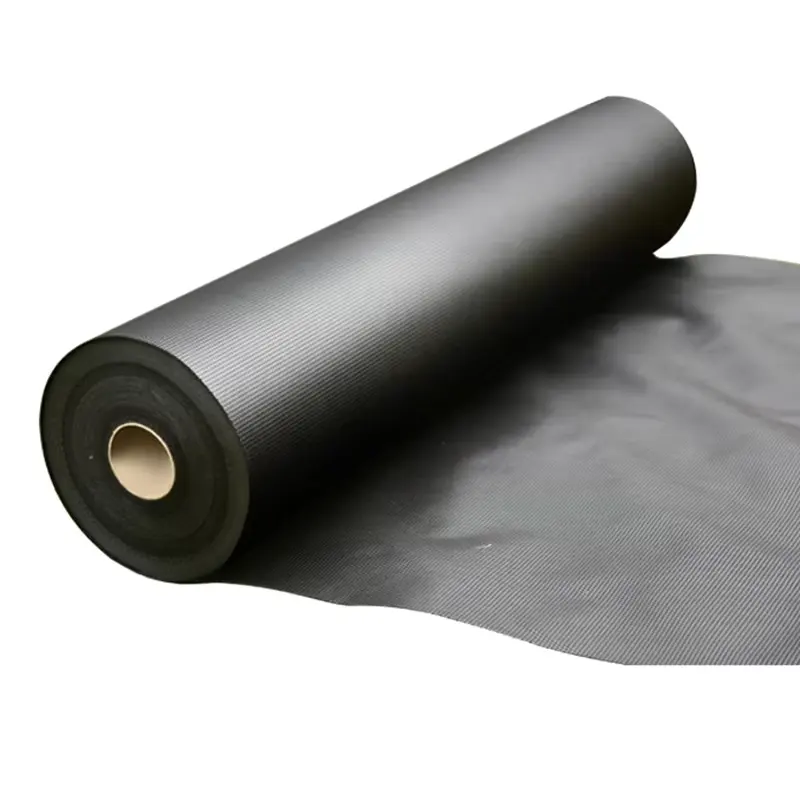
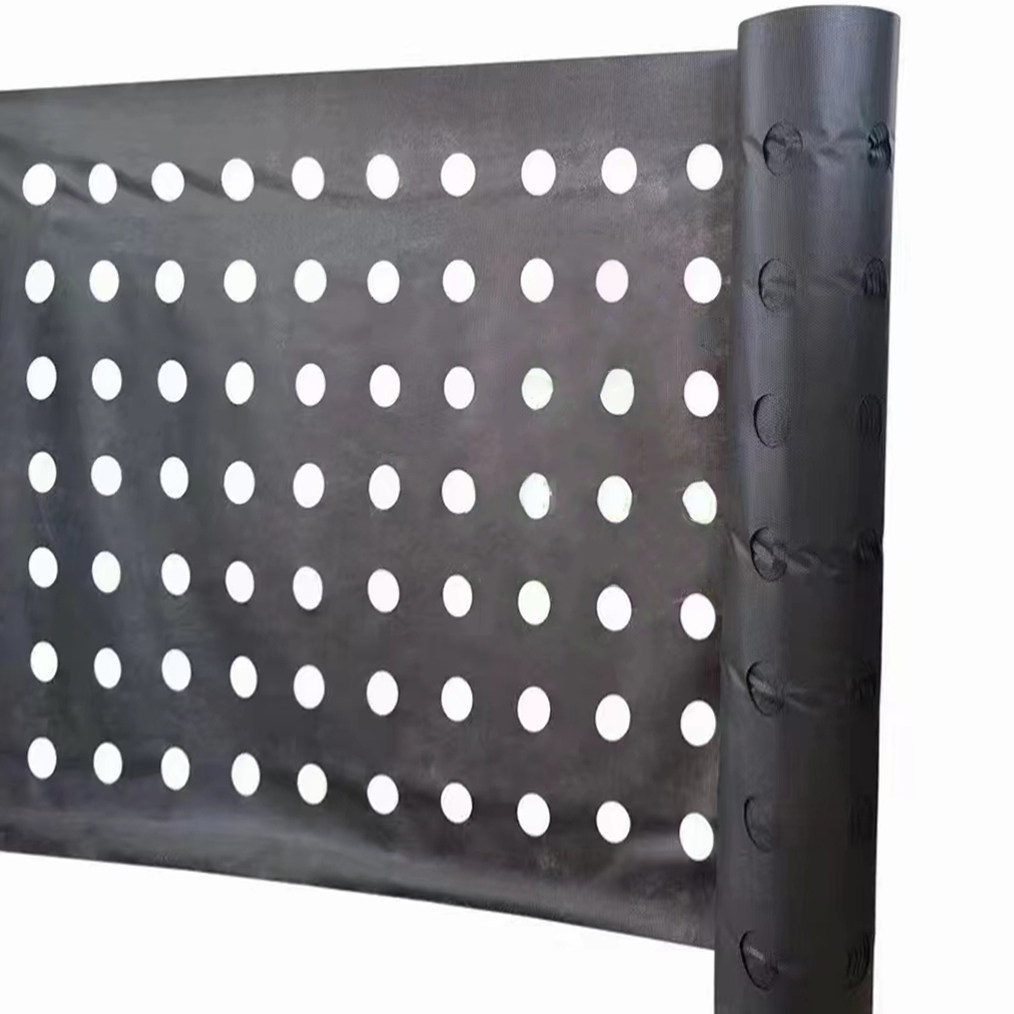
Beyond its eco-friendly end-of-life cycle, a high-quality PLA biodegradable weed barrier offers exceptional mechanical performance. It provides high physical strength to block aggressive weed emergence while allowing air, water, and liquid nutrients to pass through to the plant root zone.
Dual Protective Action: Combining Ground Cover with Custom Agricultural Nets
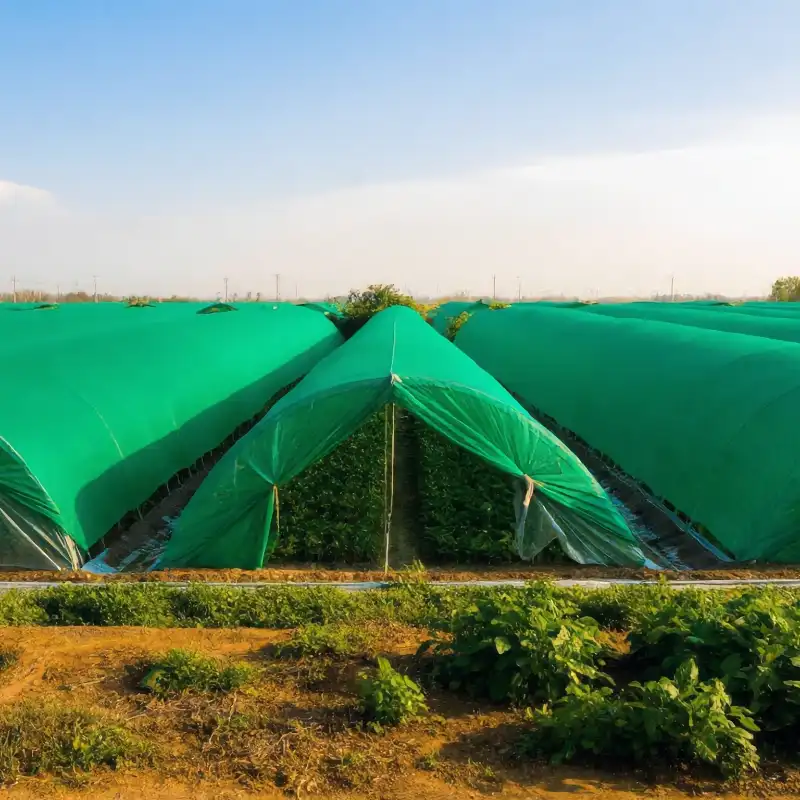
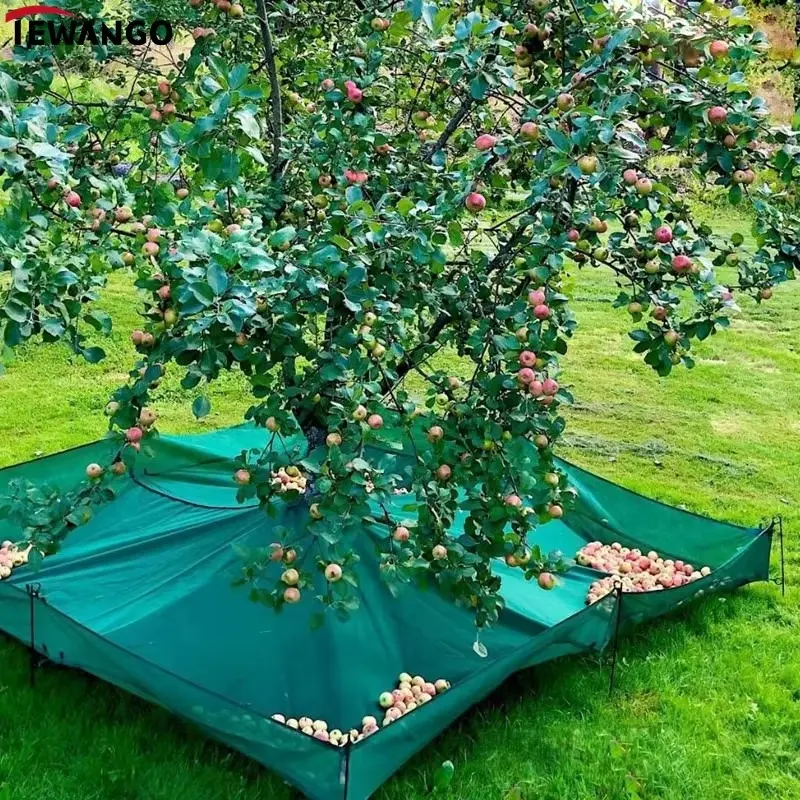
To achieve maximum protection against unpredictable climate conditions, modern commercial farms often deploy a layered defense strategy. While ground-level weeds are suppressed by a bio-based fabric, aerial threats such as hail, excessive solar radiation, and pests require overhead protection.
                  [ Overhead Climate Control ]
       =================================================  <-- Custom Agricultural Net
                              |                            (Sunshade / Anti-Hail / Anti-Bird)
                              v
                      [ Crop Protection Zone ]
                              ^
                              |
       =================================================  <-- PLA Biodegradable Weed Barrier
                    [ Soil & Root Protection ]
Integrating a durable custom agricultural net above the crop canopy creates a controlled microclimate. When paired with a premium sustainable ground cover, growers maintain optimal soil temperature, prevent erosion, and eliminate weed competition without relying on hazardous chemical herbicides.
For commercial nurseries and organic fruit orchards, combining an overhead custom agricultural net with an eco-friendly weed barrier yields higher crop uniformity and reduces irrigation water consumption by up to 30%.
Calculating ROI: Labor Savings vs. Material Cost
A common question among farm procurement managers is whether the higher upfront cost of PLA fabrics yields a positive Return on Investment (ROI).
Consider the complete operational breakdown per hectare:
- Elimination of Removal Costs: Traditional agricultural mulch film requires 15 to 25 labor hours per hectare for field cleanup. PLA eliminates this labor cost completely.
- Zero Hazardous Waste Fees: Landfills charge premium rates to accept pesticide-contaminated agricultural plastic. PLA ground covers require no off-site disposal.
- Soil Health Preservation: Uncontaminated soil retains higher fertility, reducing the need for costly soil remediation or excessive synthetic fertilizers in subsequent seasons.
When factoring in total operational expenditure (OpEx), switching from standard agricultural mulch film to a fully compostable alternative results in lower overall seasonal costs while boosting farm sustainability credentials.
Upgrade Your Farm’s Ground Protection Strategy Today
Transitioning to sustainable agriculture does not mean sacrificing performance or profit. By adopting a high-performance PLA biodegradable weed barrier, commercial growers streamline field operations, reduce seasonal labor demands, and comply with global environmental standards.
Whether you manage an organic fruit orchard, a commercial greenhouse, or a large-scale nursery, choosing engineered bio-based fabrics safeguards both your soil quality and your bottom line for generations to come.