Aluminum Foil Net vs Mono Sunshade Net: Which Shade Solution Should Greenhouse Buyers Choose?
Release time: 2026-10-19
Table of Contents
Understanding Aluminum Foil Nets and Mono Sunshade Nets
Choosing a greenhouse shading material involves more than deciding how much sunlight to block. The material also affects heat accumulation, light distribution, ventilation, crop growth, and the overall energy requirements of a growing facility. Two commonly considered options are aluminum foil nets and mono sunshade nets, but they work differently and are designed to address different environmental challenges.
An aluminum foil net typically incorporates reflective aluminum strips or surfaces into a woven net structure. Rather than relying only on physical coverage to reduce incoming sunlight, it reflects a portion of solar radiation away from the greenhouse. This makes it particularly useful in regions with intense sunlight and high summer temperatures.
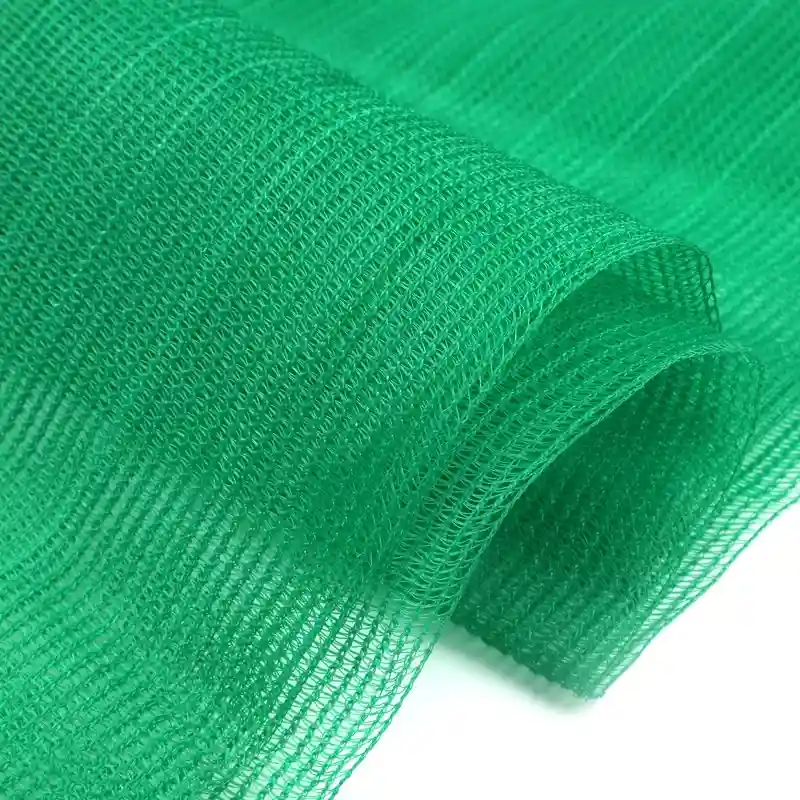
A mono sunshade net, on the other hand, is generally manufactured using monofilament plastic yarns, commonly HDPE. Its shading effect comes primarily from the net structure, yarn thickness, mesh density, and selected shade percentage. It reduces direct sunlight while maintaining openings that allow air circulation and some light transmission.
Neither material is universally superior. The appropriate choice depends on the greenhouse climate, crop requirements, installation structure, and expected operating conditions.
Aluminum Foil Net vs Mono Sunshade Net: Key Performance Differences
Before selecting a product, greenhouse operators should understand how these two materials perform under actual growing conditions.
Heat Reflection and Temperature Control
Heat management is one of the main reasons greenhouse projects use aluminum foil nets.
The reflective surface helps redirect a portion of incoming solar radiation, reducing the amount of radiant energy entering or remaining within the growing space. Depending on the net construction and installation position, this can help limit excessive temperature increases during periods of strong sunlight.
This reflective function is particularly valuable in hot climates, where reducing solar heat gain can help lower cooling requirements and prevent heat stress in sensitive crops.
Mono sunshade nets manage sunlight differently. They provide shade by intercepting and absorbing or blocking part of the incoming radiation. Their effectiveness depends on the shade percentage and fabric construction.
A higher shade percentage generally means less direct sunlight reaches the growing area, but it does not automatically mean better temperature control. A dense net can also affect airflow, especially when installed too close to the greenhouse structure or combined with inadequate ventilation.
For facilities where solar heat reflection is a priority, aluminum foil nets are often worth considering. Where the main objective is reducing excessive light intensity while retaining ventilation, mono sunshade nets may be more suitable.
Light Transmission and Distribution
Light quality is just as important as light quantity for greenhouse crops.
Aluminum foil nets can reflect and redistribute part of the incoming sunlight. Depending on their reflective pattern and installation arrangement, they may help reduce concentrated direct radiation and create a more balanced light environment.
This can be useful for crops that experience leaf scorching or uneven exposure under strong sunlight. However, buyers should evaluate the actual light transmission and reflection characteristics rather than assuming every aluminum foil net produces uniform diffused light.
Mono sunshade nets generally provide a more straightforward shading effect. Their mesh structure reduces direct sunlight according to the selected shade rate. Different densities can be selected to match the light requirements of different crops.
For example, leafy vegetables may benefit from moderate shading during hot periods, while light-demanding fruiting crops may require a more carefully controlled shade percentage.
The important consideration is not simply how much light the net blocks, but whether the remaining light is sufficient and appropriately distributed for crop development.
Durability and Environmental Resistance
Both materials can provide long-term service when manufactured with suitable raw materials and installed correctly. However, their durability depends on different factors.
For aluminum foil nets, buyers should pay attention to the quality of the reflective layer, base yarn, weaving structure, and resistance to oxidation and weather exposure. Repeated folding, tension, abrasion, and prolonged UV exposure can affect the reflective surface and overall performance.
For mono sunshade nets, the quality of HDPE material, UV stabilization, yarn strength, mesh construction, and edge reinforcement are important considerations.
A well-manufactured mono net should maintain its structural integrity under normal outdoor conditions. However, poor-quality materials or excessive tension can lead to yarn breakage, deformation, and reduced service life.
Neither material should be selected based solely on appearance or advertised lifespan. Buyers should request information about UV protection, tensile strength, material composition, and applicable durability testing.
Installation and Structural Requirements
Installation position can significantly influence shading performance.
Aluminum foil nets are commonly considered for external greenhouse shading systems or other arrangements where reflective surfaces can redirect incoming solar radiation before excessive heat enters the growing environment. Their orientation, tension, spacing, and compatibility with the support system should be evaluated during project planning.
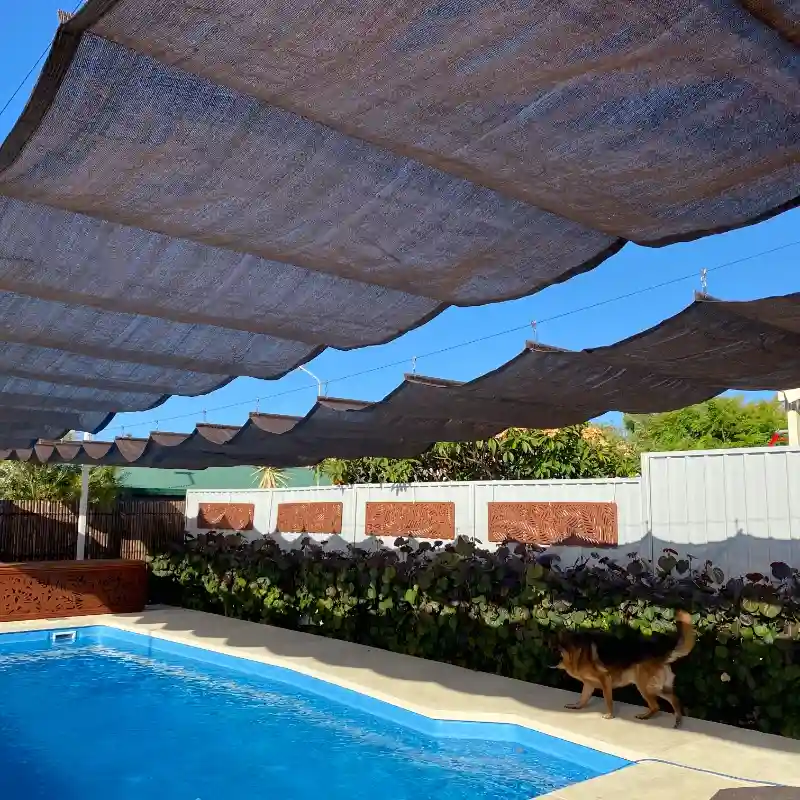
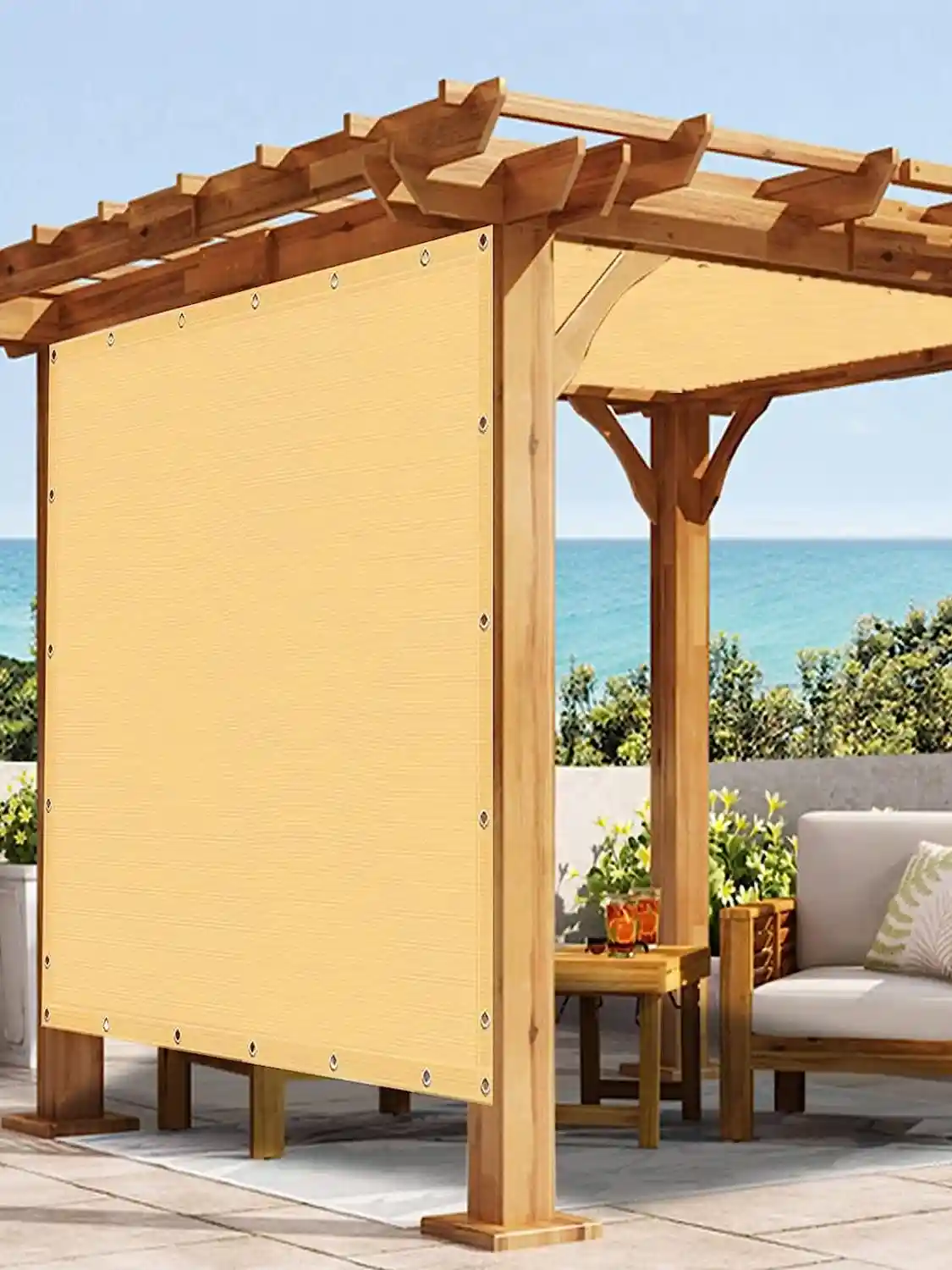
Mono sunshade nets are more flexible in terms of installation. Depending on the greenhouse design, they can be installed above the greenhouse, beneath the roof structure, or over designated growing areas.
External installation can reduce the amount of solar energy entering the greenhouse, while internal installation provides additional control over light reaching the crops. However, internal shading may not prevent all heat from entering the greenhouse.
For both materials, the support structure must accommodate local wind conditions, net dimensions, tension requirements, and maintenance access. Large greenhouse installations should also consider retractable systems if seasonal adjustment is necessary.
Initial Cost and Long-Term Value
Price comparisons should consider more than the cost per square meter.
Mono sunshade nets are generally a straightforward option for projects that need conventional shading at different shade percentages. Their relatively simple construction can make them economical for large growing areas, particularly when reflective heat management is not a major requirement.
Aluminum foil nets may involve a higher initial investment depending on the reflective material, construction, and customization requirements. However, in hot regions, their ability to reflect solar radiation may offer operational benefits by reducing excessive heat loads.
The actual financial value depends on local energy prices, greenhouse cooling requirements, crop sensitivity, and the expected service life of the material.
| Comparison Factor | Aluminum Foil Net | Mono Sunshade Net |
|---|---|---|
| Main shading mechanism | Reflection of solar radiation and partial shading | Physical interception of sunlight |
| Heat management | Focuses on reflecting solar energy | Reduces direct solar exposure |
| Light distribution | Can help redistribute reflected light | Primarily reduces light according to mesh density |
| Shade adjustment | Depends on product design and installation system | Available in different shade percentages |
| Ventilation | Depends on net openness and installation | Generally allows airflow through mesh openings |
| Durability considerations | Reflective surface, base yarn, UV resistance | Yarn strength, UV stabilization, mesh construction |
| Installation | Often used in reflective greenhouse shading arrangements | Flexible external or internal installation |
| Cost considerations | Material and reflective construction affect cost | Mesh density, weight, and material quality affect cost |
| Typical application | High-radiation environments and heat-sensitive growing conditions | General greenhouse and agricultural shading |
Which Shade Net Is Better for Different Greenhouse Crops?
Crop requirements should be the starting point when selecting a shading material. Different plants respond differently to sunlight intensity, temperature, and changes in daily light exposure.
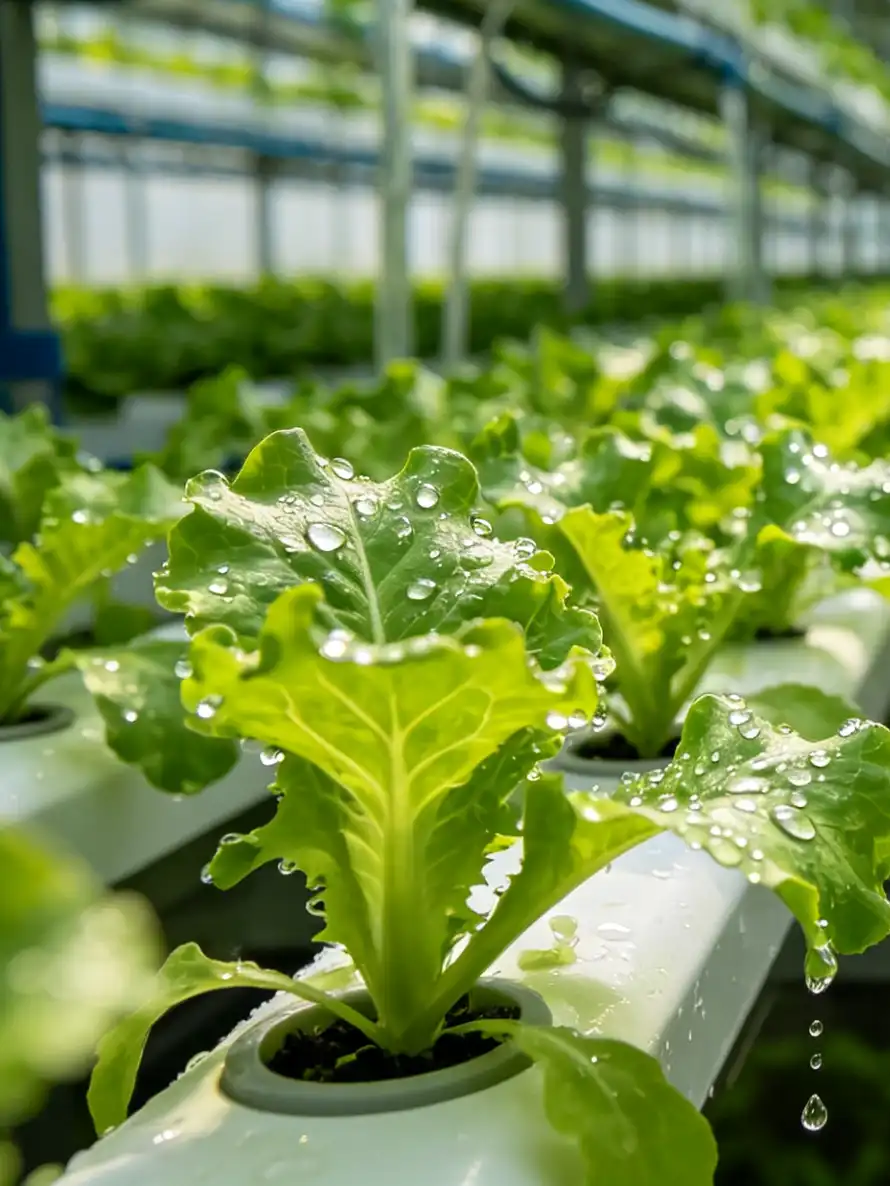
Leafy vegetables: Lettuce, spinach, and other leafy vegetables can be sensitive to excessive heat and direct sunlight. Mono sunshade nets with an appropriate shade percentage are often a practical option for controlling light exposure. In particularly hot regions, reflective aluminum foil nets may provide additional benefits by reducing solar heat gain.
Tomatoes and peppers: These fruiting crops generally need sufficient light for flowering and fruit development. Excessive shading can reduce photosynthesis and affect production. Buyers should prioritize controlled shading rather than choosing the highest available shade rate. The decision between reflective and conventional netting should consider the local climate and greenhouse ventilation system.
Orchids and ornamental plants: Many ornamental crops require relatively stable light conditions. Some varieties are particularly sensitive to direct sunlight and leaf damage. Mono sunshade nets offer flexible shade-rate options, while reflective nets may be considered where strong solar radiation is a persistent problem.
Seedling nurseries: Young plants often need protection from intense sunlight during early growth stages. Mono sunshade nets can provide adjustable shading according to seedling type and growing season. Reflective solutions may be useful in high-temperature environments where both light intensity and heat accumulation need attention.
Large-scale commercial greenhouses: For large growing facilities, the decision should consider crop variety, regional climate, greenhouse orientation, cooling equipment, and seasonal shading requirements. In some projects, combining different shading materials or using retractable systems can provide better environmental control than relying on one fixed solution.
How Should Greenhouse Buyers Choose the Right Shading Solution?
For greenhouse integrators and commercial growers, a systematic selection process can prevent mismatched specifications and unnecessary investment.
1. Evaluate the local climate
Start with average summer temperatures, peak solar radiation, humidity, wind conditions, and seasonal weather patterns. Regions with intense solar radiation may benefit more from reflective shading, while areas with moderate temperatures may only require conventional shade control.
2. Identify the crop’s light requirements
Confirm the crop’s preferred light intensity and sensitivity to direct sunlight. A shading material that works well for leafy vegetables may not be appropriate for tomatoes or other light-demanding crops.
3. Determine the required shading performance
Do not select products based only on their appearance or material name. Request actual shade percentage, light transmission, and, where relevant, solar reflectance data. These specifications provide a more meaningful basis for comparison.
4. Check the greenhouse structure
Confirm whether the net will be installed externally or internally, whether the system is fixed or retractable, and how it will be secured. The installation method affects both shading performance and the loads placed on the supporting structure.
5. Compare total operating costs
Consider material cost, installation expenses, maintenance, replacement frequency, and potential cooling-energy savings. A lower-cost product is not necessarily the most economical option if it requires frequent replacement or cannot provide the required environmental control.
What to Confirm When Purchasing Agricultural Shade Nets
When purchasing in bulk, greenhouse integrators should provide clear technical requirements before requesting quotations.
Key details include:
- Material composition: Confirm whether the product uses aluminum reflective strips, HDPE monofilament yarns, or another construction.
- Shade percentage: Specify the required shading level according to crop and growing conditions.
- Dimensions: Provide the required width, length, roll size, and coverage area.
- UV protection: Ask about UV stabilization and the expected performance under local outdoor exposure.
- Fabric construction: Confirm mesh density, yarn thickness, weight, and edge reinforcement.
- Installation requirements: Discuss whether the product will be used in a fixed or retractable shading system.
- Customization: Check available colors, dimensions, packaging, and other project-specific requirements.
- Quality verification: Request product samples, technical specifications, and relevant test reports before placing a large order.
Working with an experienced agricultural net manufacturer can make it easier to match material construction with greenhouse conditions and project requirements. Buyers should compare technical specifications and production consistency rather than relying exclusively on quotation prices.
For large-scale projects, it is also advisable to test samples under actual growing conditions before confirming the final order. This helps verify whether the selected material provides the expected shading performance and fits the existing greenhouse structure.
Frequently Asked Questions
1. Can aluminum foil nets replace mono sunshade nets in all greenhouses?
No. Aluminum foil nets are particularly useful when solar reflection and heat management are important. Mono sunshade nets are often more practical for general light reduction and applications requiring different shade percentages. The appropriate choice depends on crop requirements, climate, and greenhouse design.
2. Which shade net is more suitable for hot climates?
Aluminum foil nets are often worth considering in regions with intense solar radiation because their reflective surfaces can redirect part of the incoming solar energy. However, ventilation, humidity control, and greenhouse cooling systems remain important. The net alone cannot guarantee a specific indoor temperature.
3. What shade percentage should greenhouse buyers choose?
There is no universal shade percentage for all crops. Buyers should consider crop species, growth stage, local sunlight intensity, and seasonal conditions. It is better to select a suitable shading level based on actual light requirements than to automatically choose a higher percentage.
4. Can aluminum foil nets and mono sunshade nets be used together?
Yes. Some greenhouse projects use different shading materials in separate areas or combine them within adjustable shading systems. This can provide greater flexibility when different crops have different light requirements. However, the combined shading effect should be calculated to avoid excessive light reduction.
5. What should buyers request from a shade net supplier before bulk purchasing?
At minimum, request material specifications, shade percentage, dimensions, UV protection information, product samples, and quality test reports where available. For customized projects, also confirm production lead time, minimum order quantity, packaging, and consistency between production batches.
For greenhouse shading projects, Powerician provides agricultural net solutions that include aluminum foil nets and mono sunshade screens. Buyers evaluating a custom aluminum foil net or conventional mono shading products can compare material construction, dimensions, and application requirements to identify a suitable option. For distributors sourcing from a wholesale mono sunshade netting factory, confirming product specifications and customization capabilities before bulk ordering is equally important.