HomeProductsHome & OutdoorWhite Single Layer HDPE Shade Screen, UV Resistant with Custom Shading Rate
Home & Outdoor

White Single Layer HDPE Shade Screen, UV Resistant with Custom Shading Rate

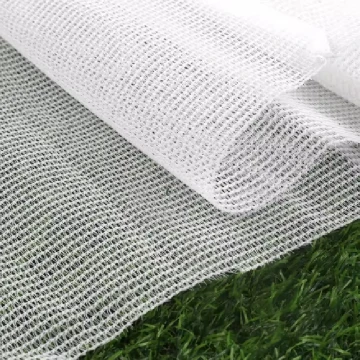
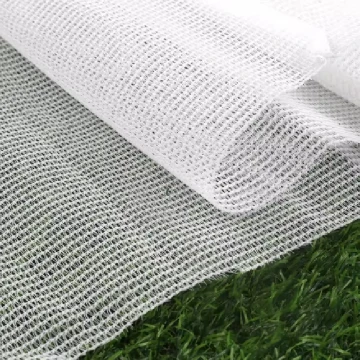
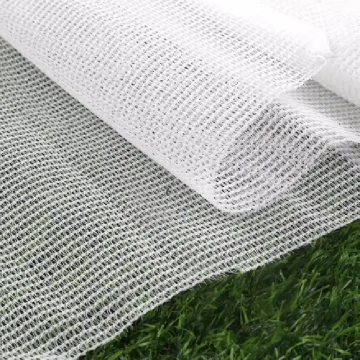
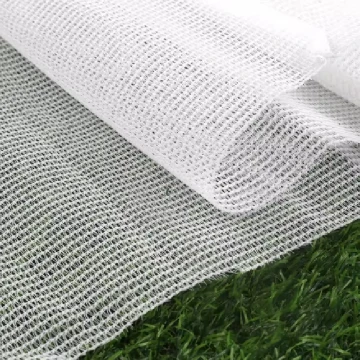
UV Stabilized Round Monofilament Shade Cloth for Plant Sun Protection

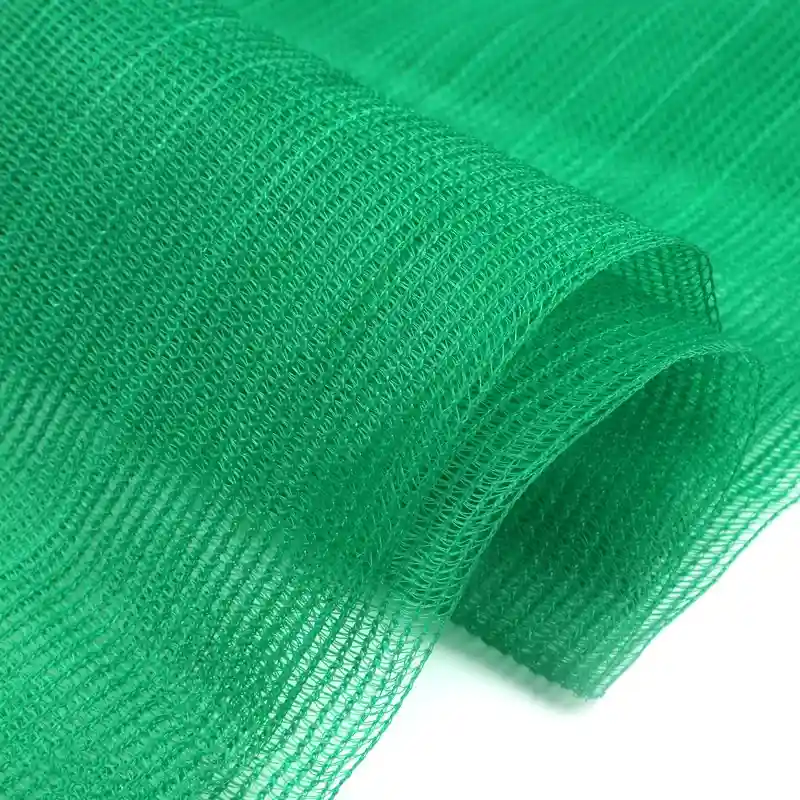
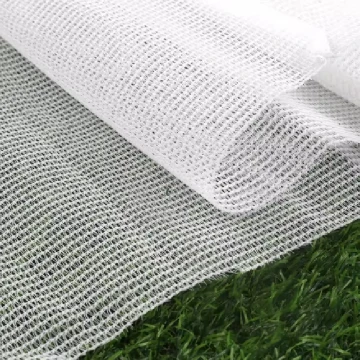
This 30% shade cloth offers durable shading solutions for multiple outdoor scenarios. Manufactured from premium raw materials, it stands up to wind, sunlight and rainfall for extended service life. With built-in UV stabilizers, it blocks around 30% harmful ultraviolet radiation, shielding plants against sunscald and preserving healthy growth without overshading.

Features:

• 30% shading rate

• Heavy-duty

• Ideal for tomato and herb greenhouses

• Easy to install and customizable to your needs

• UV stabilized
  • Many Years Of Production And Manufacturing Experience

  • Direct Sale From The Manufacturer, Discounted Price

  • ISO/SGS Certified Quality

Detailed description

Constructed from tough, premium raw material, this 30% shade fabric effectively moderates sunlight intensity to avoid overexposure. Designed with 30% shading density to fit a wide range of outdoor uses, it supports steady circulation of cool air and maintains great ventilation. The balanced shading and airflow create a pleasant, breathable shaded environment for plants, livestock and stored goods underneath.

Feature

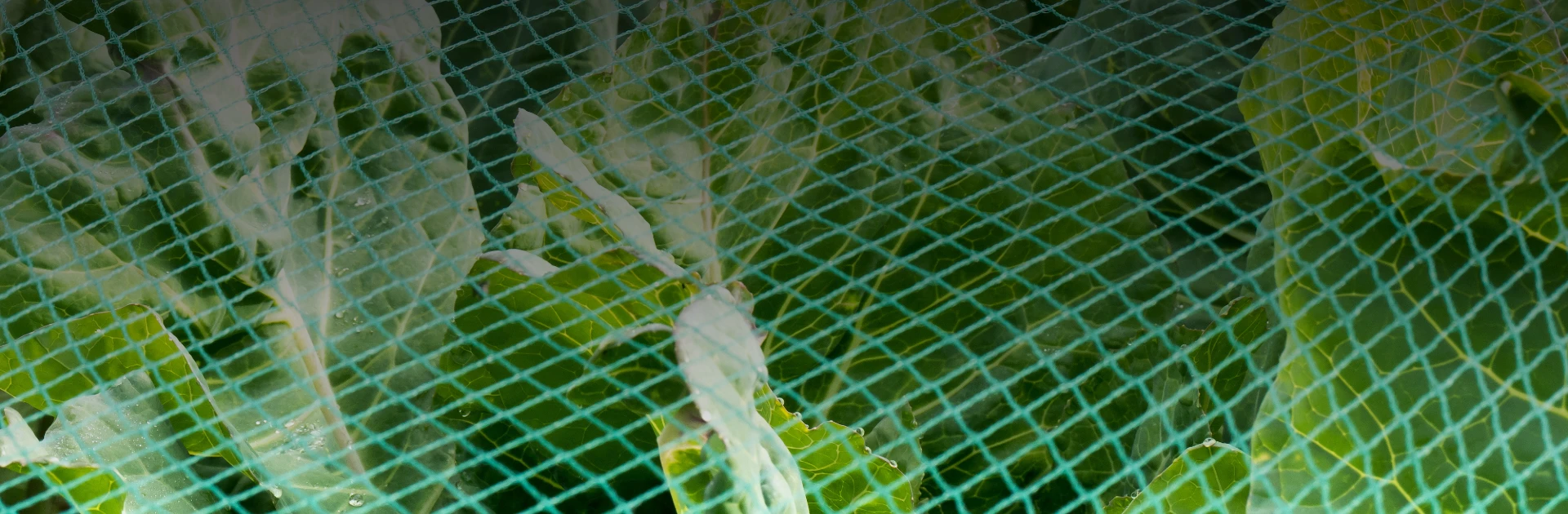
This shade cloth filters 30% harmful UV rays and heat. It reduces strong sunlight to protect plants from sunburn and delivers cooler shelter for humans and livestock. Its moderate shading avoids overheating while preserving sufficient natural light for plant growth.

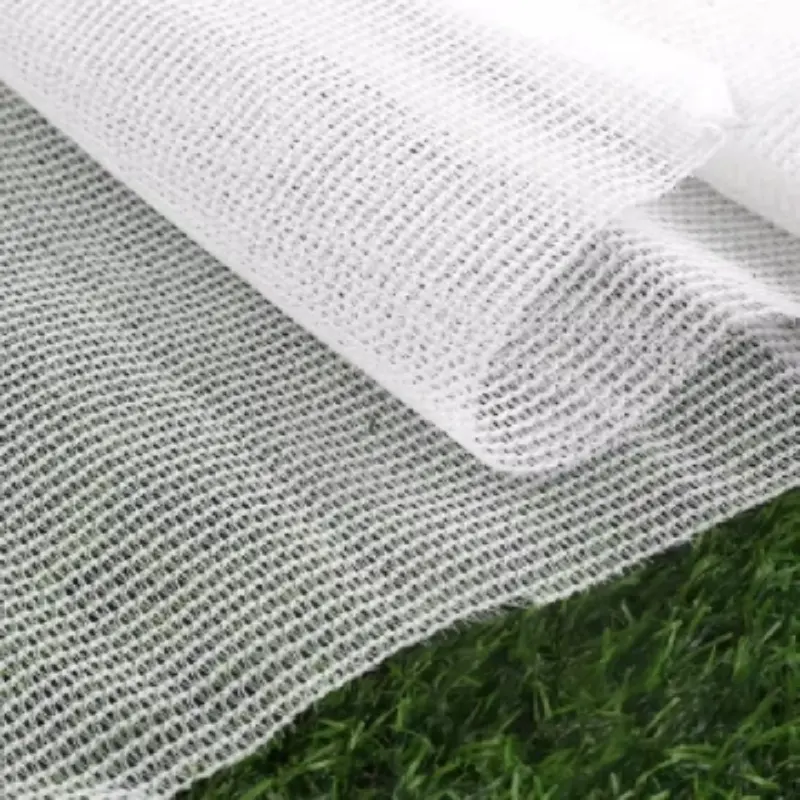
The open woven structure facilitates continuous air circulation across the shaded zone. It efficiently disperses stagnant hot air and reduces trapped humidity, maintaining a pleasantly cool and well-ventilated environment underneath.

Manufactured from premium polyethylene material, this weatherproof fabric holds up well amid changing outdoor climate and resists damage from wind, sunlight and rainfall.

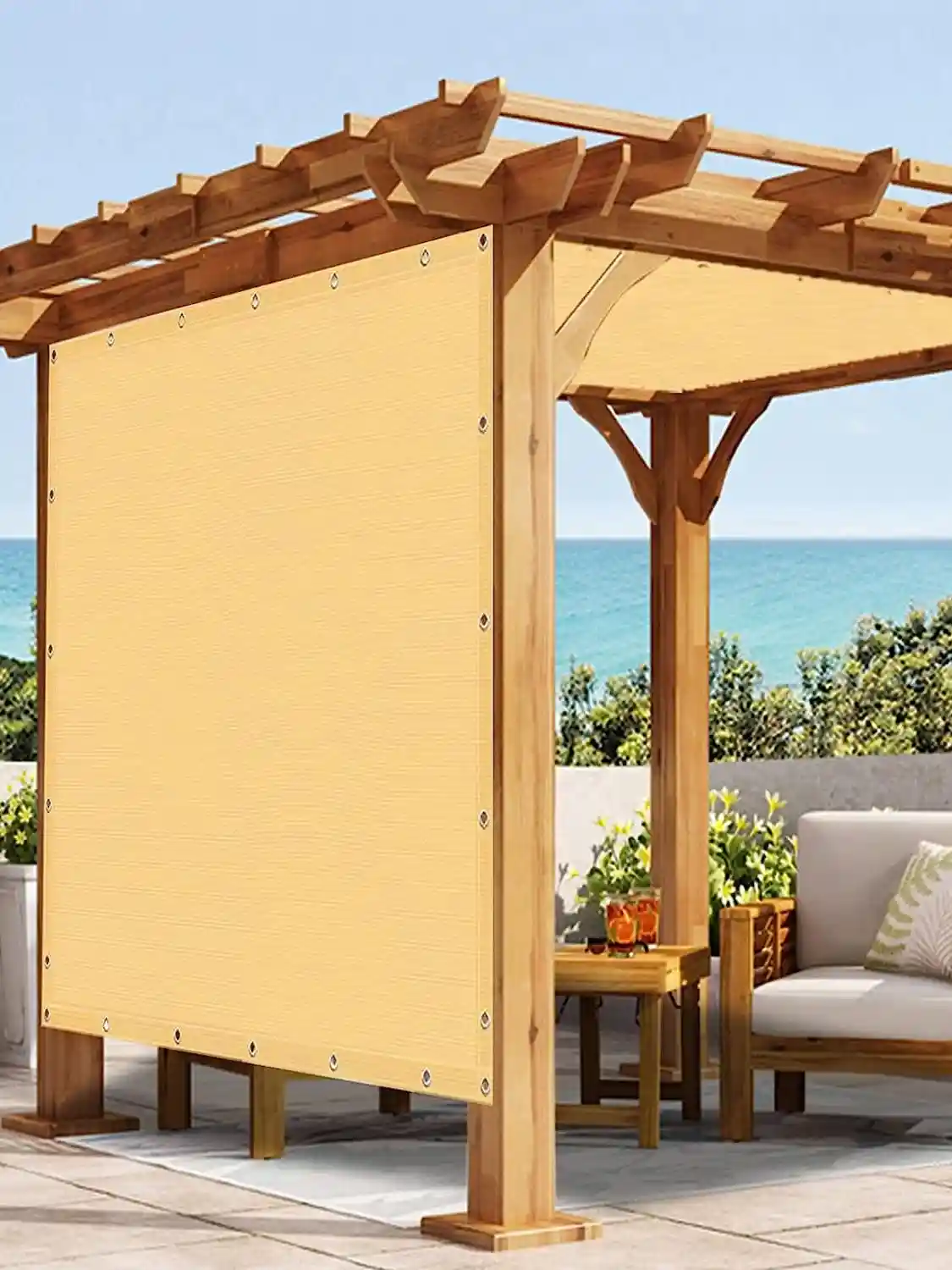
Equipped with robust reinforced edging, this shade screen supports optional custom grommet installation. The thoughtful design allows quick, hassle-free mounting and helps the fabric stay taut and securely fastened during long-term outdoor use.

Application Scenarios


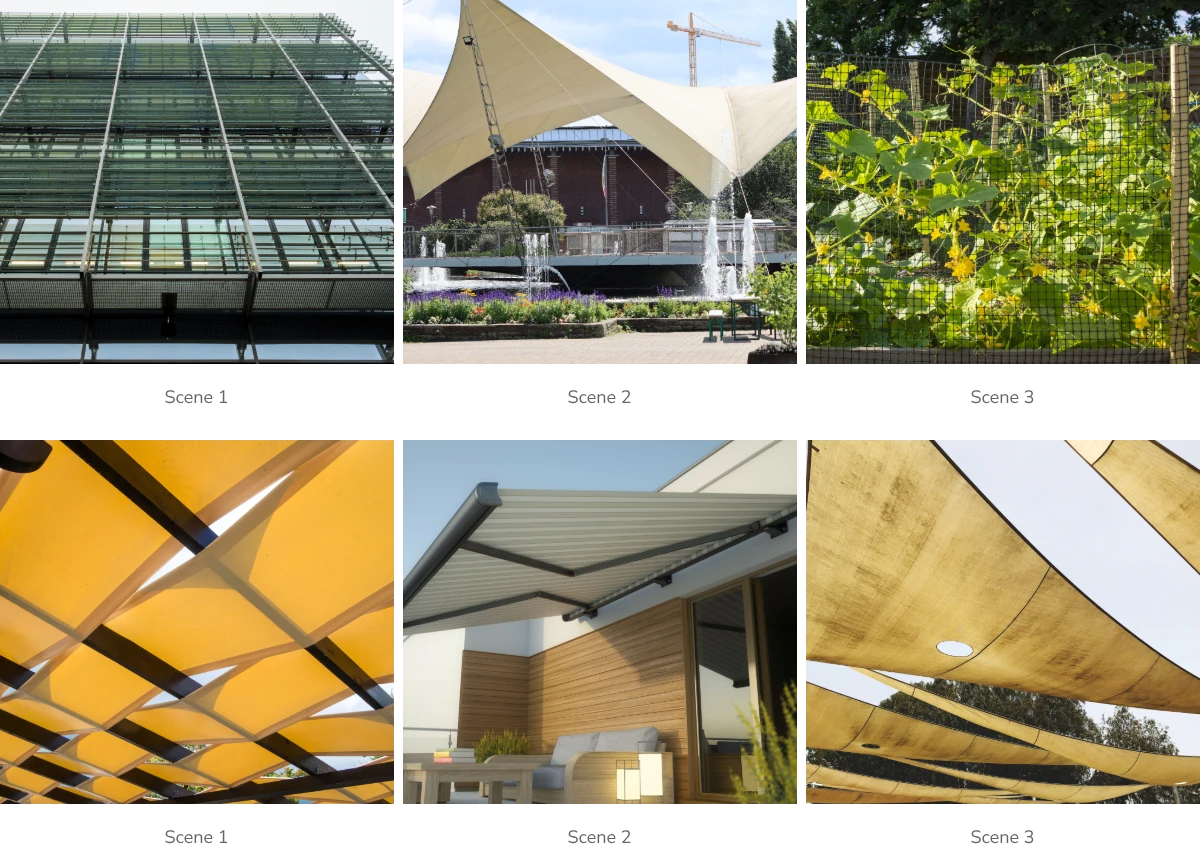
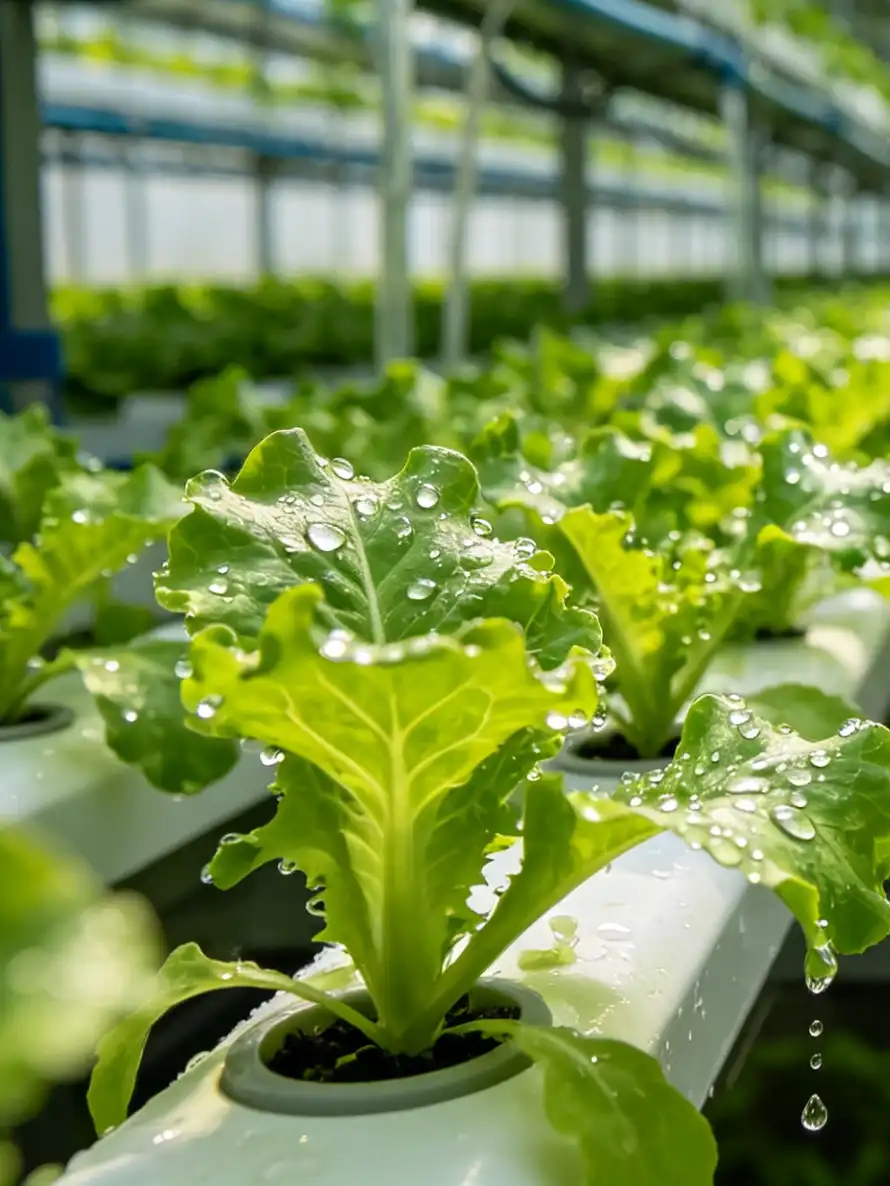
The 30% shade cloth provides moderate light filtering, perfectly suited for plants that thrive under partial sunlight. It works well for seedling cultivation, leafy vegetables, flowering plants and outdoor leisure areas. This moderate shading option cuts down excessive solar radiation without blocking essential natural light. It is widely applied in home gardens, small greenhouses, livestock shelters, patio shade covers and outdoor storage zones. Always match the shade rate to your plants’ light needs or comfort requirements of the shaded space to achieve optimal results.


Contact Powerician for Wholesale

FAQ
  • How does the color of shade netting affect plant growth?

    Color is the most important factor to consider when choosing a shade net or fabric, as it greatly affects the final result. Shade nets are available in a variety of colors, but the most common are green and black. White nets reduce the amount of sunlight, making them best suited for flowering plants. Black and green nets, on the other hand, promote faster plant growth because they absorb more heat than lighter-colored nets.
  • How does the color of shade netting affect plant growth?

    Color is the most important factor to consider when choosing a shade net or fabric, as it greatly affects the final result. Shade nets are available in a variety of colors, but the most common are green and black. White nets reduce the amount of sunlight, making them best suited for flowering plants. Black and green nets, on the other hand, promote faster plant growth because they absorb more heat than lighter-colored nets.
  • How does the color of shade netting affect plant growth?

    Color is the most important factor to consider when choosing a shade net or fabric, as it greatly affects the final result. Shade nets are available in a variety of colors, but the most common are green and black. White nets reduce the amount of sunlight, making them best suited for flowering plants. Black and green nets, on the other hand, promote faster plant growth because they absorb more heat than lighter-colored nets.
  • How does the color of shade netting affect plant growth?

    Color is the most important factor to consider when choosing a shade net or fabric, as it greatly affects the final result. Shade nets are available in a variety of colors, but the most common are green and black. White nets reduce the amount of sunlight, making them best suited for flowering plants. Black and green nets, on the other hand, promote faster plant growth because they absorb more heat than lighter-colored nets.
WhatsApp

Leave a message!

Leave a message!