HomeProductsAgricultural NetMono Sunshade NetWhite Mono Shade Screen​ Reflective Cooling Premium Light Diffusion
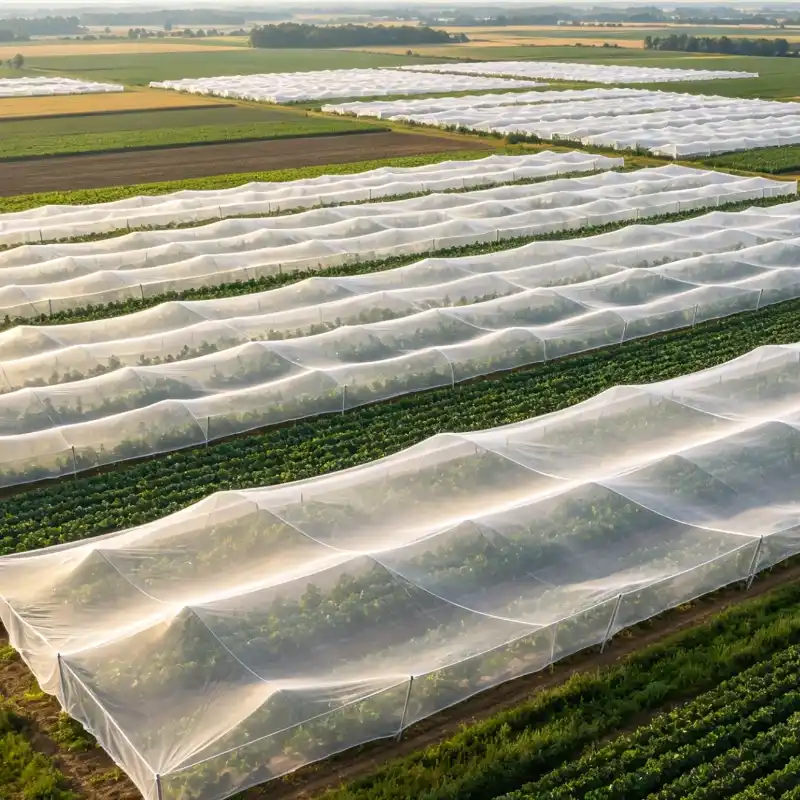
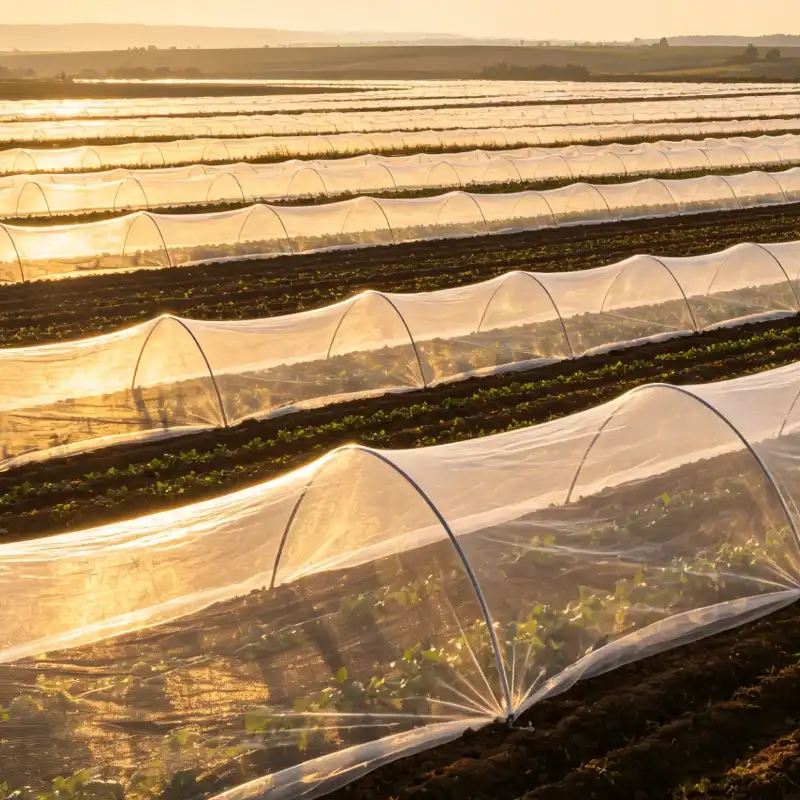
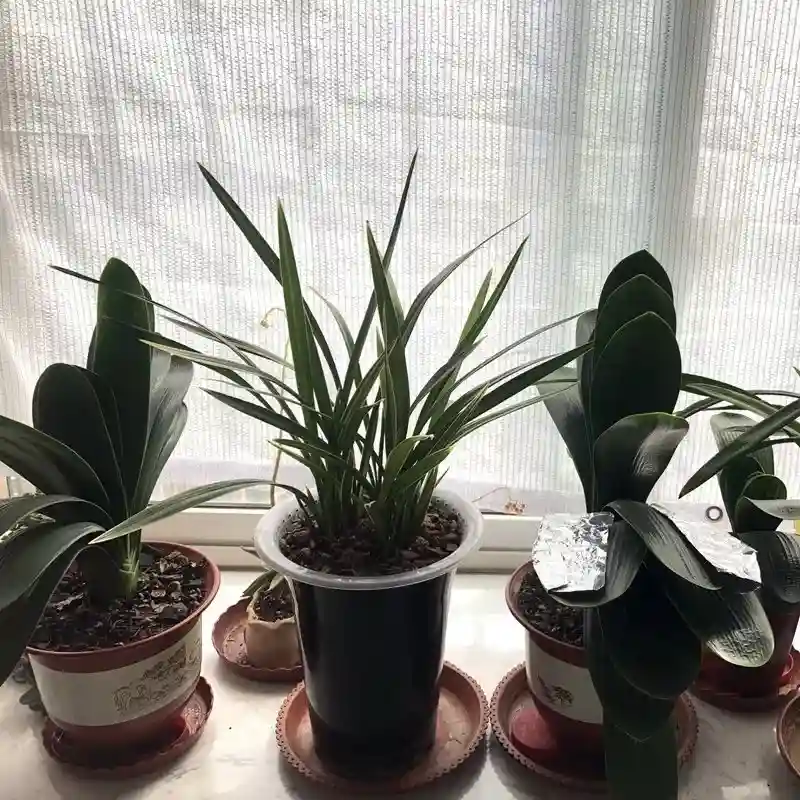
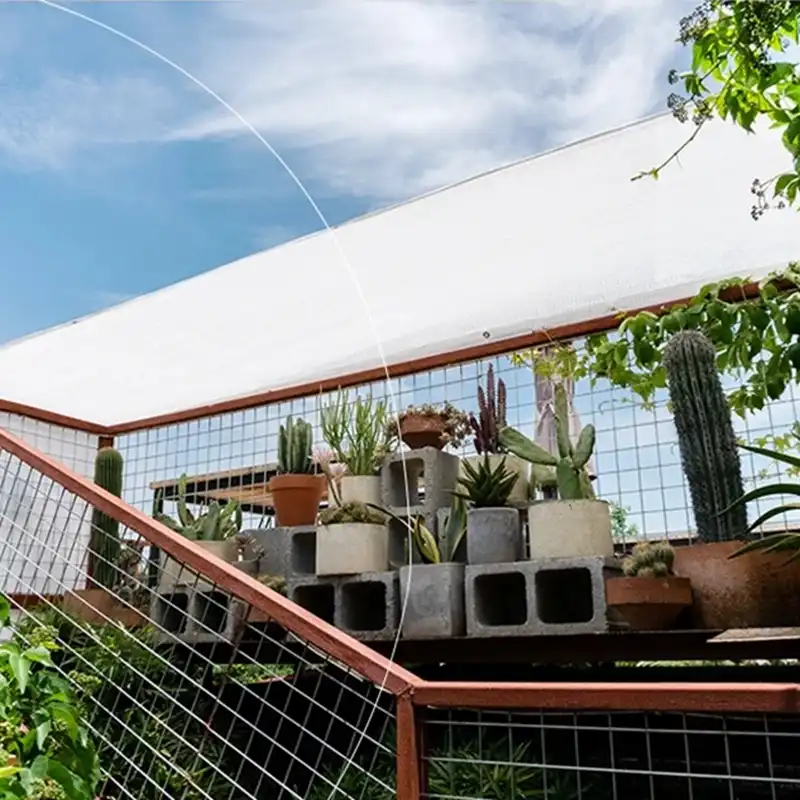
  • ​ White Mono Shade Screen widely installed in large agricultural greenhouse for cooling and light diffusion
  • ​ White Mono Shade Screen widely installed in large agricultural greenhouse for cooling and light diffusion
Mono Sunshade Net

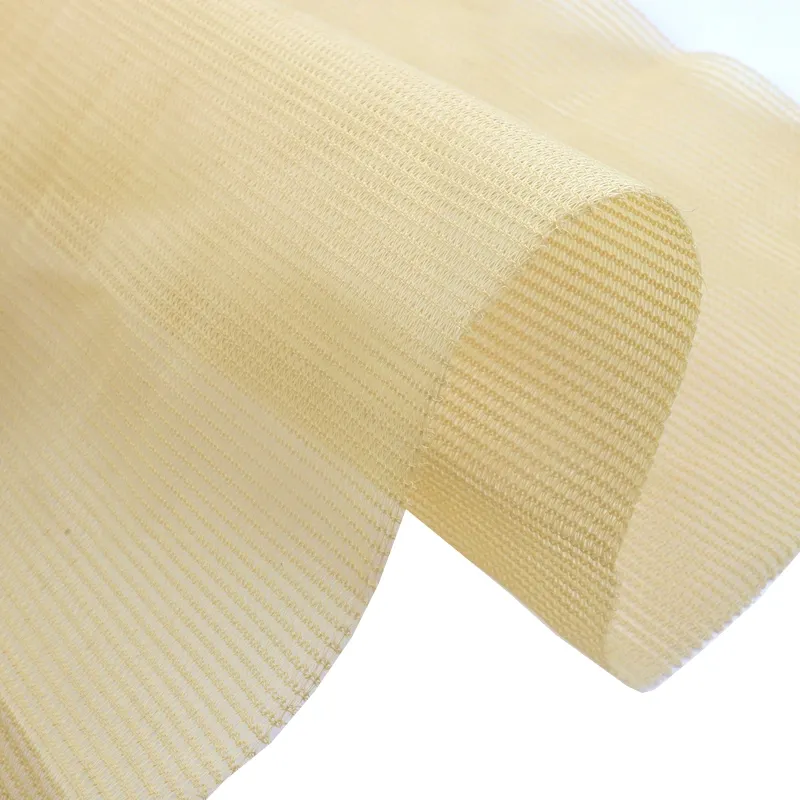
White Mono Shade Screen​ Reflective Cooling Premium Light Diffusion

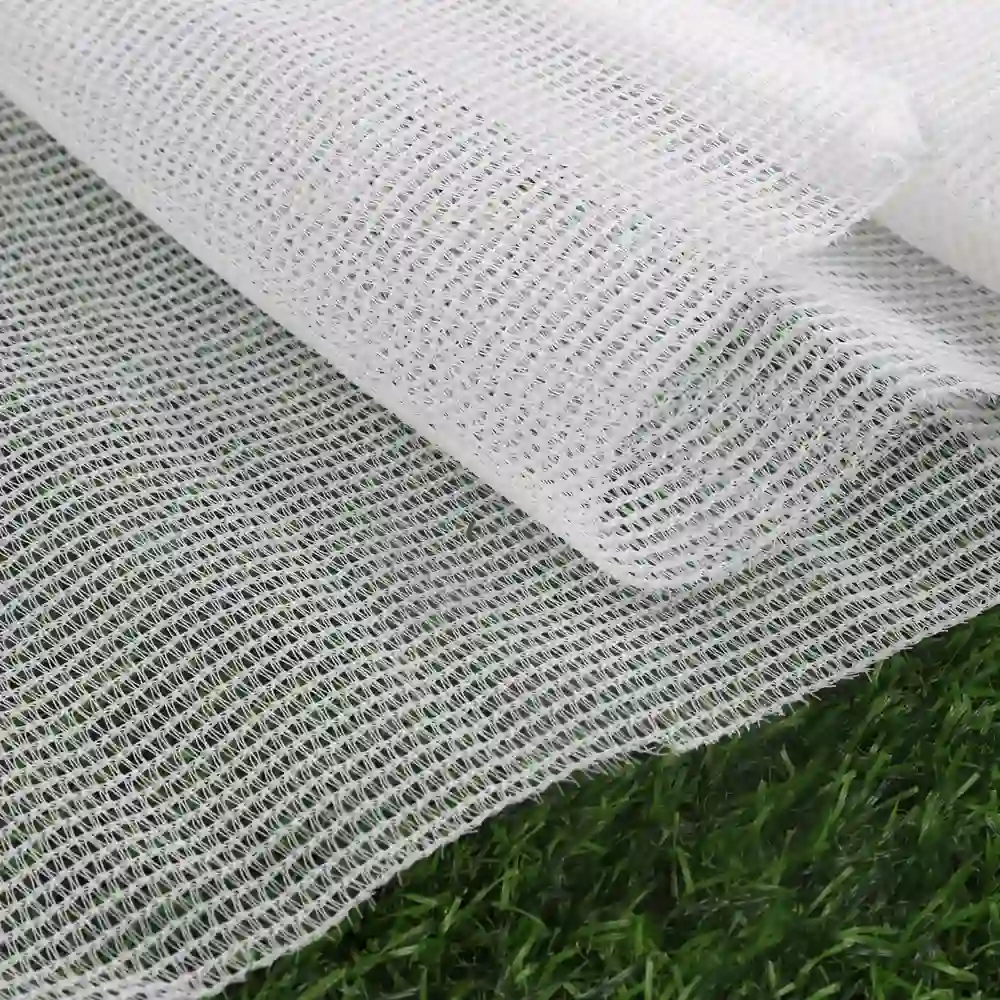
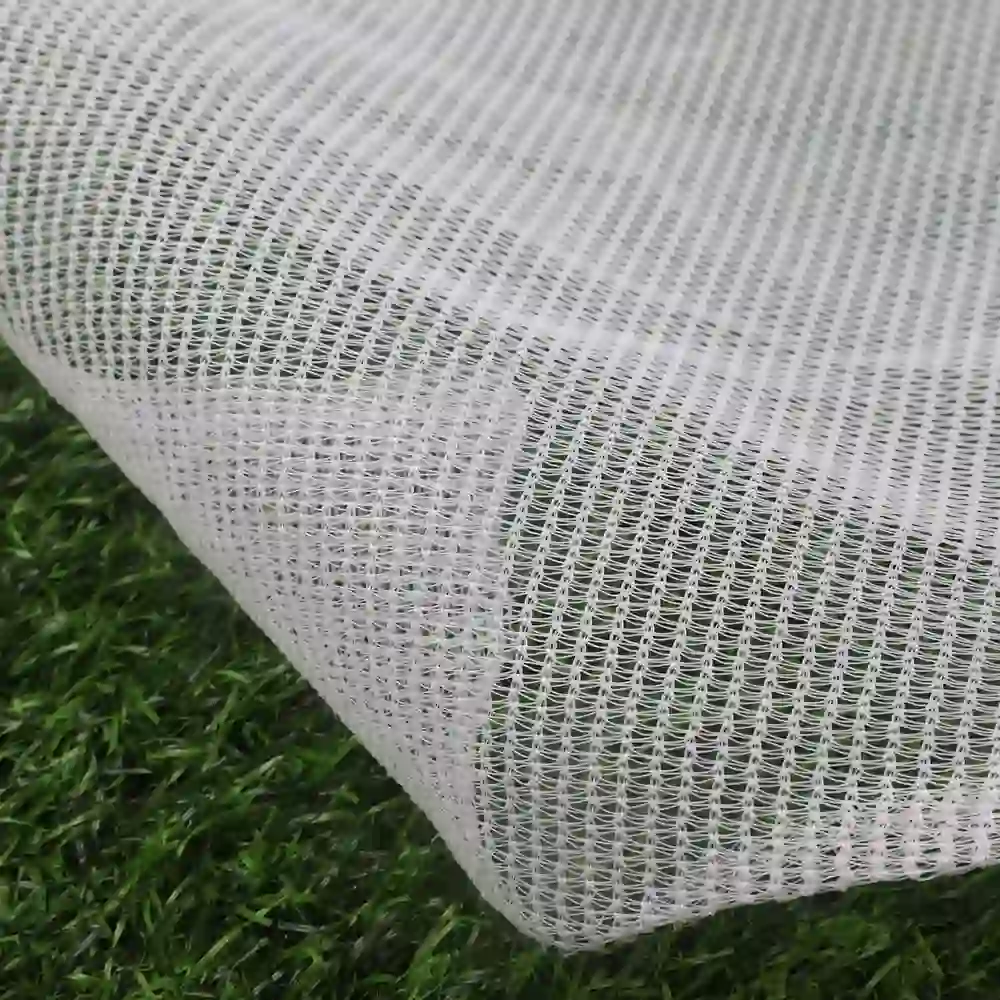
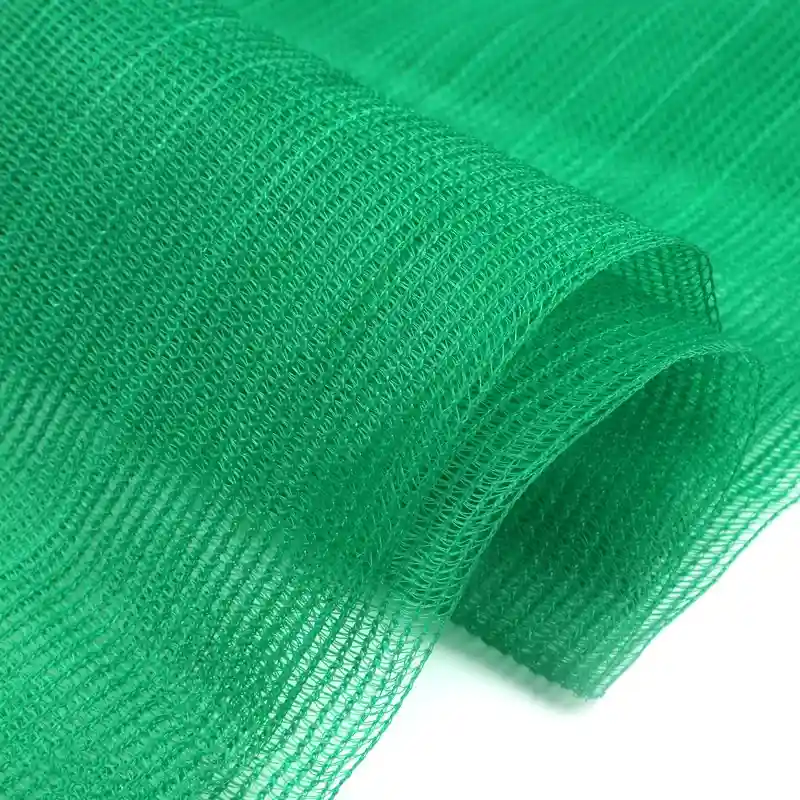
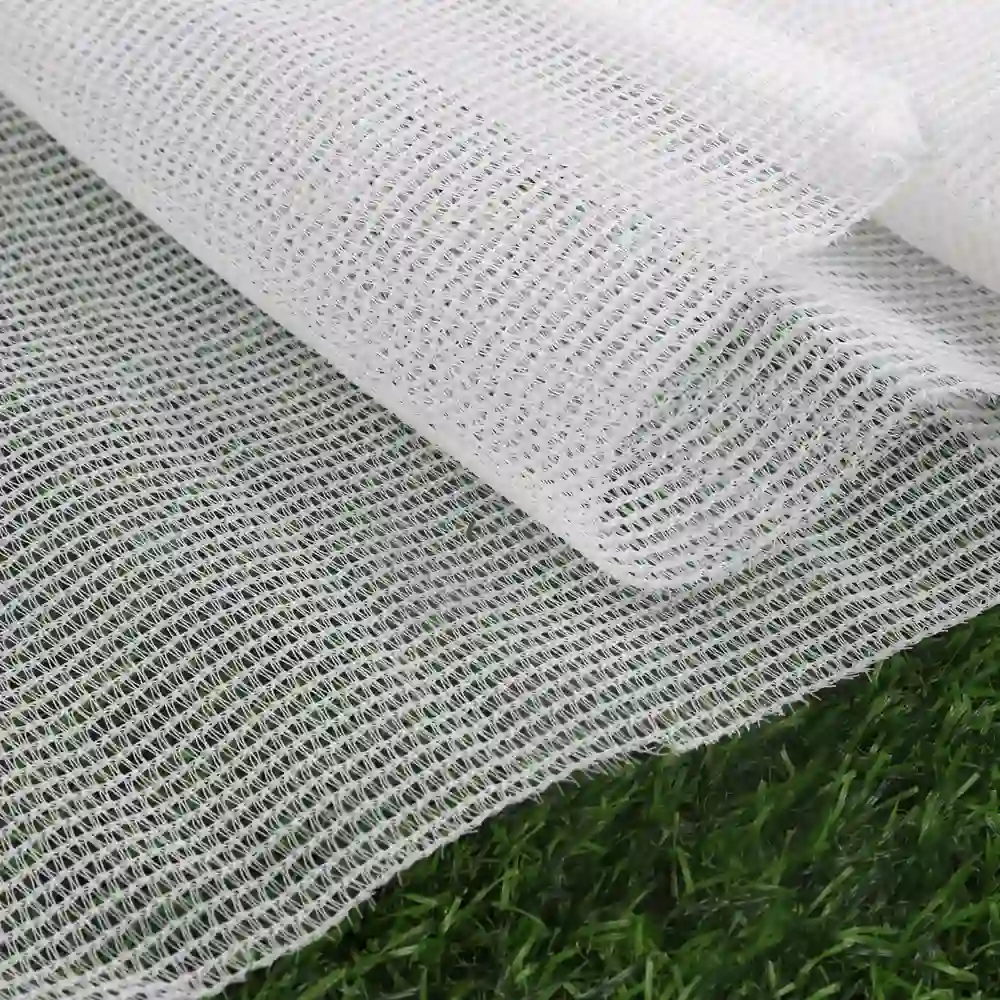
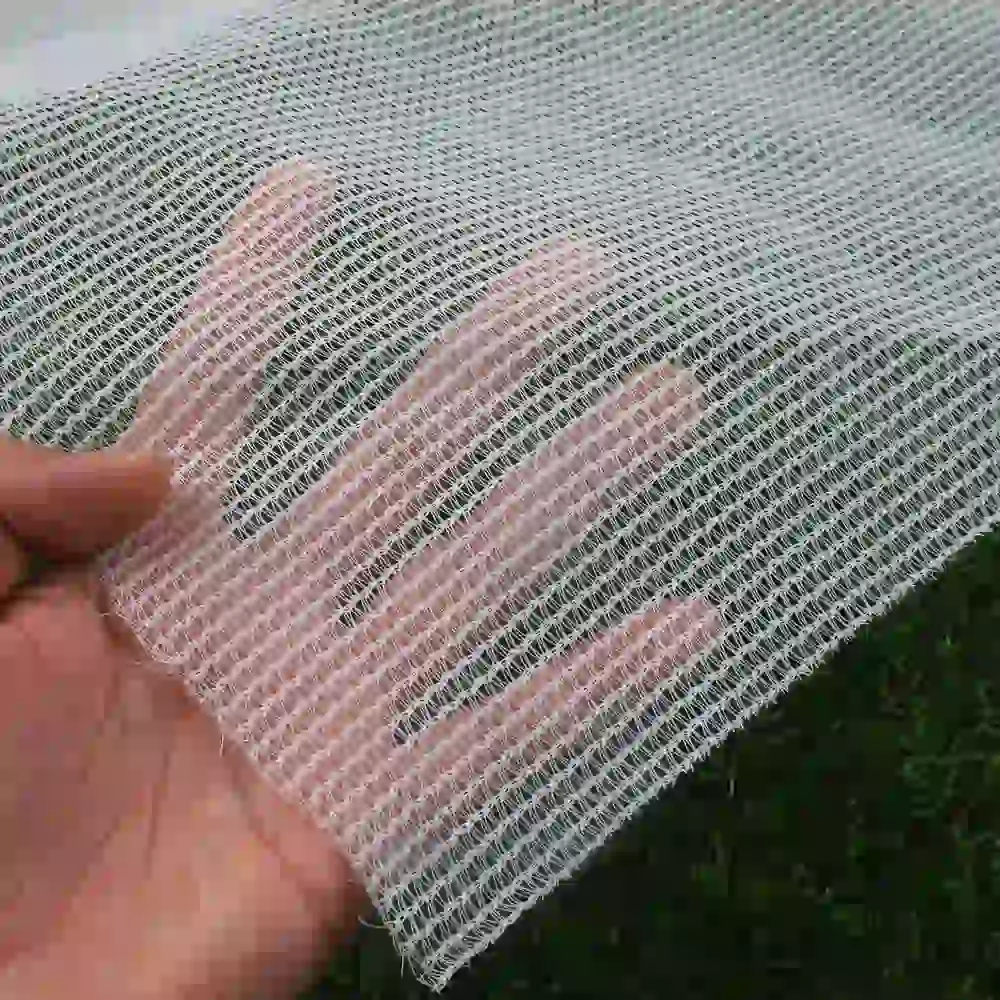
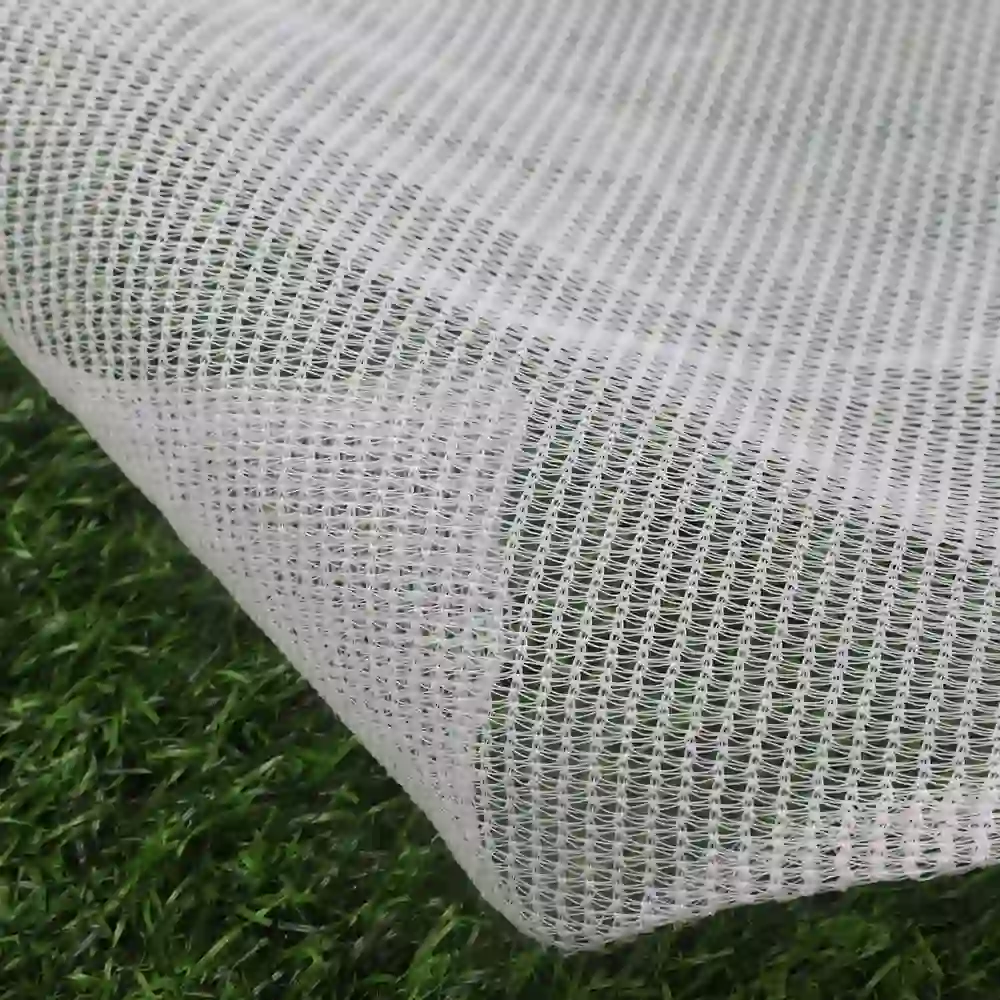
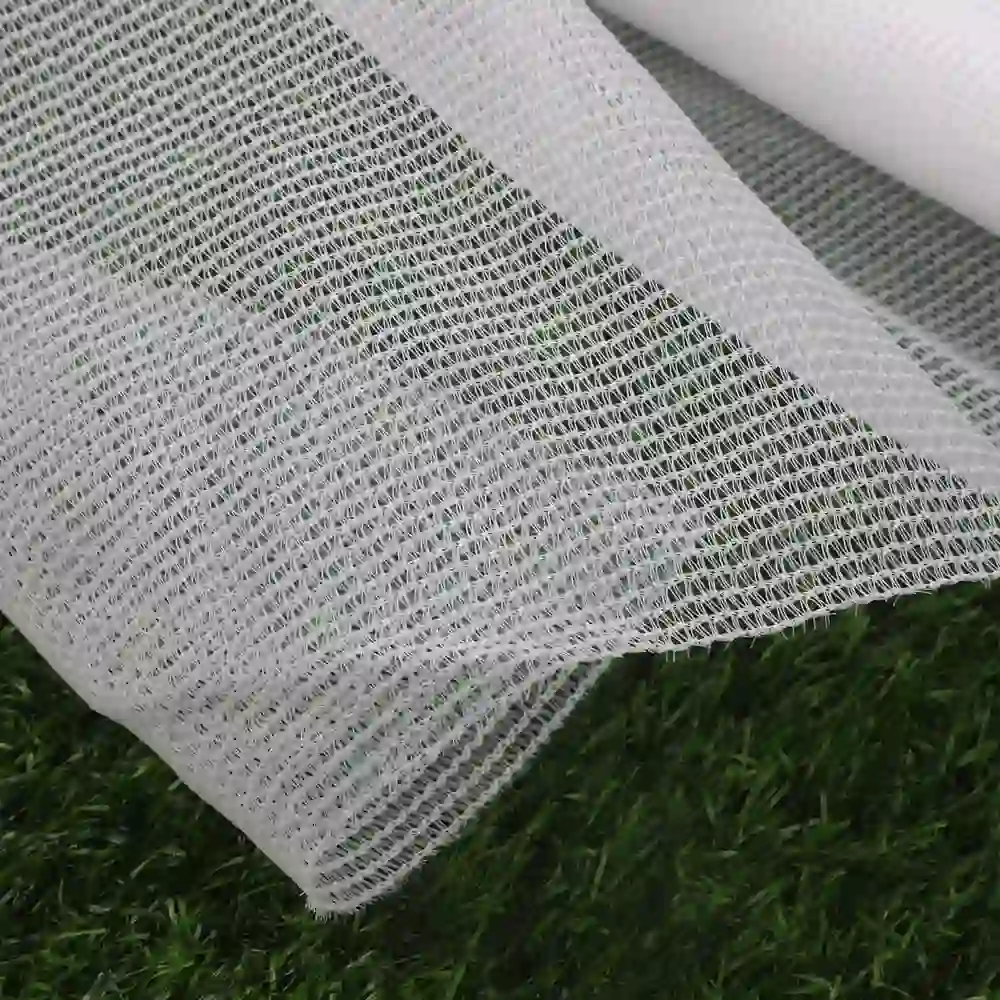
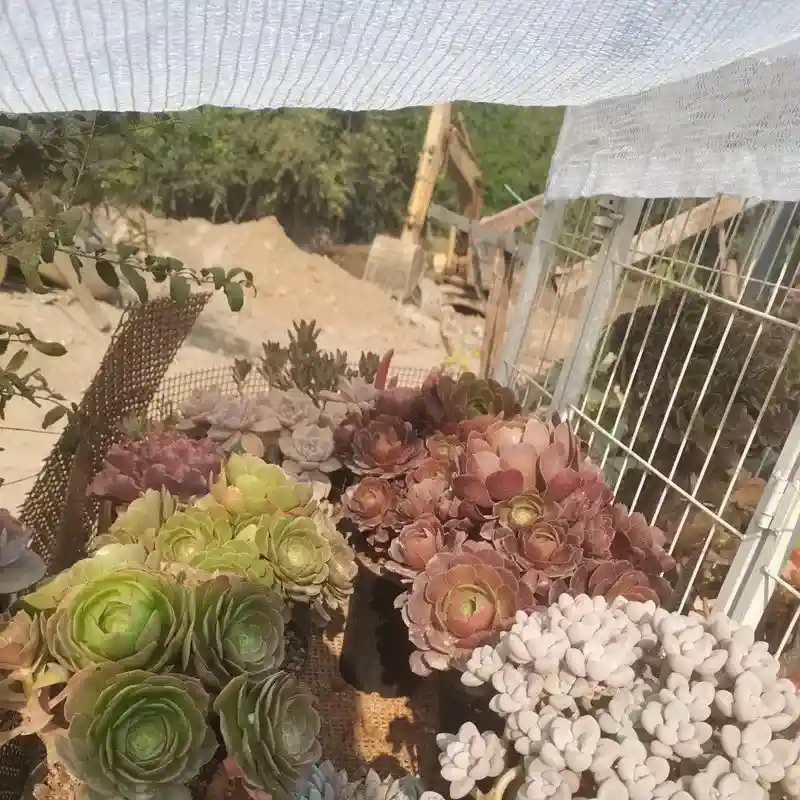
​Crafted from high-reflectivity white round monofilament yarns, the White Mono Shade Screen delivers active temperature control while optimizing light quality. Designed for greenhouses, nurseries, and high-value crop production, it combines superior cooling, uniform illumination, and durable performance in one innovative solution.


Primary Applications

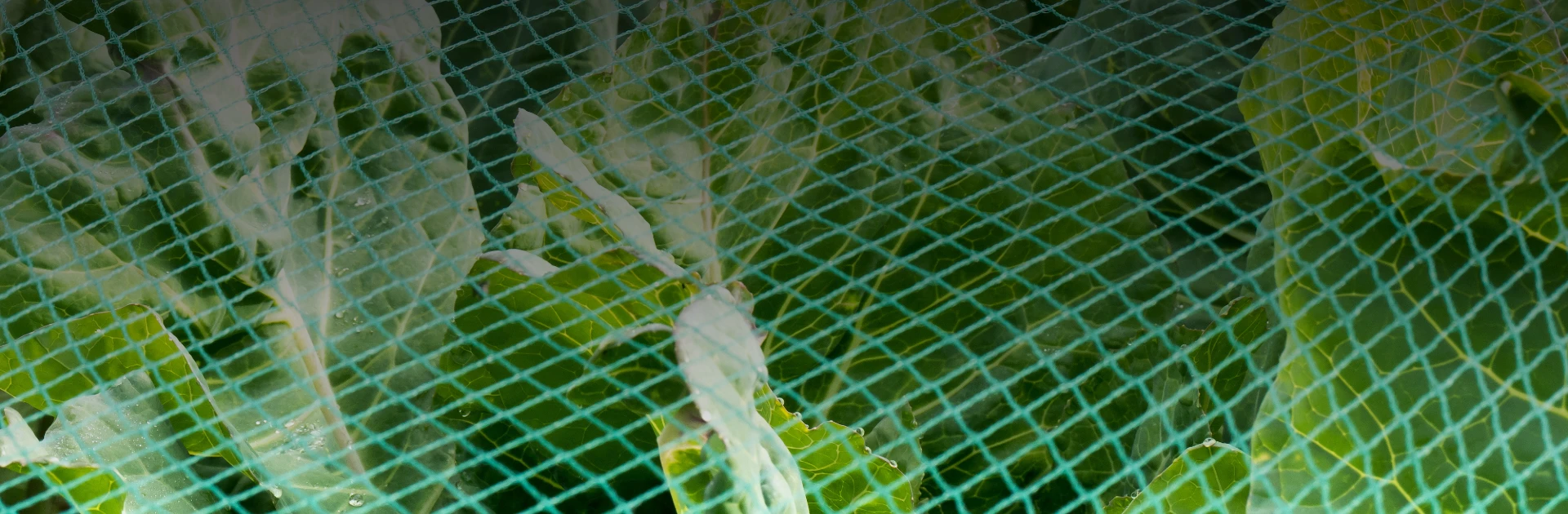
  • High-Value Greenhouse Crops:​ Tomatoes, peppers, cucumbers, berries
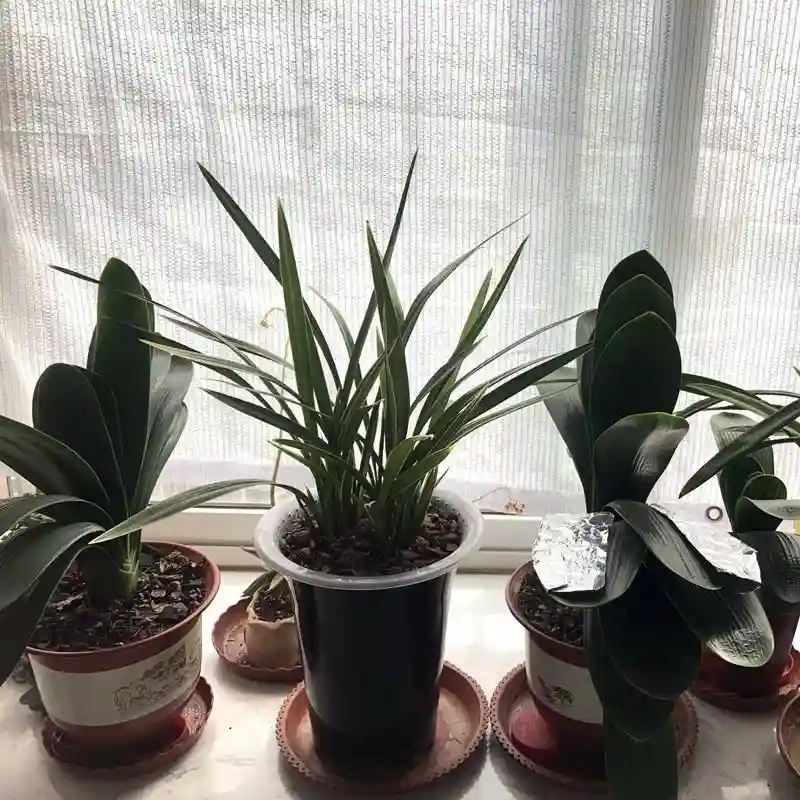
  • Ornamental Production:​ Flowers, nursery stock, potted plants
  • Research & Propagation Facilities:​ Seedling nurseries, tissue culture labs
  • Hot Climate Cultivation:​ Desert and tropical greenhouse operations
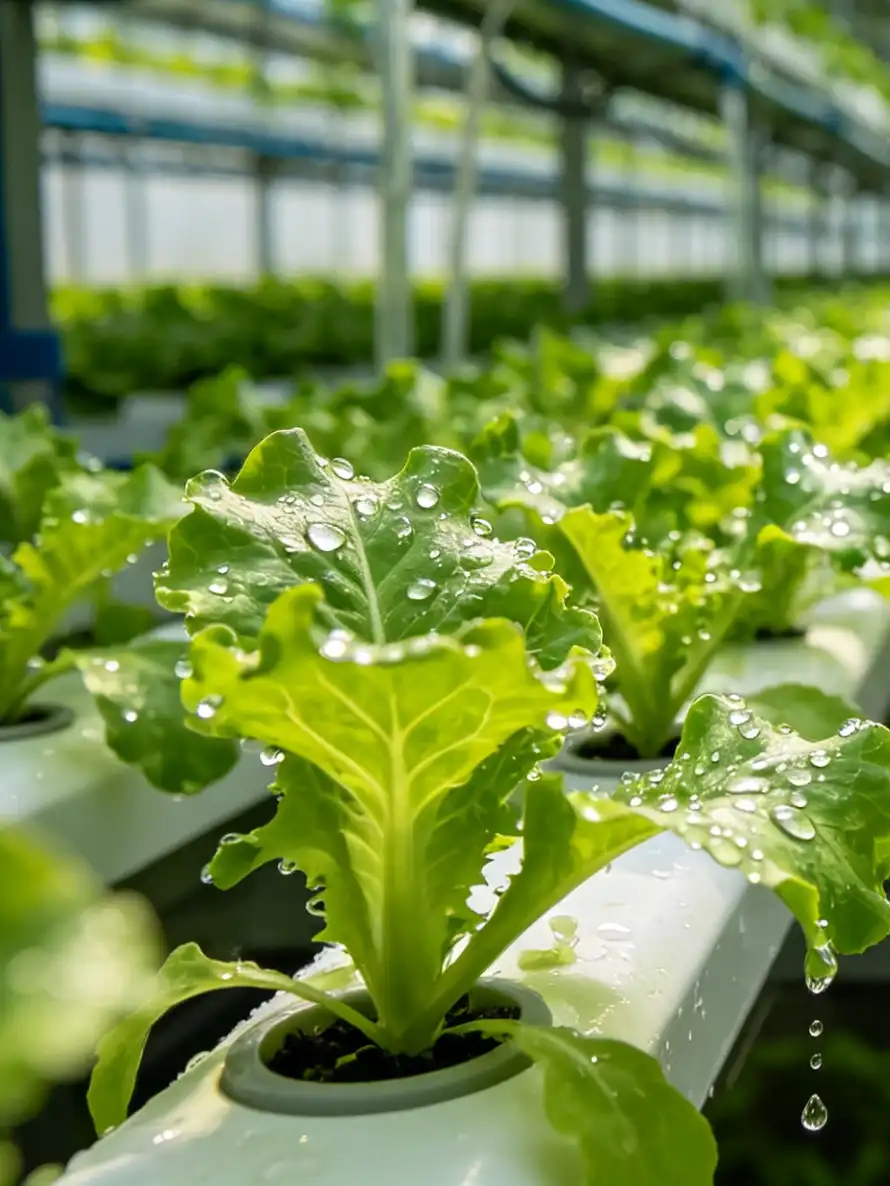
  • Light-Sensitive Crops:​ Lettuce, herbs, microgreens, medicinal plants
  • Retractable Greenhouse Systems:​ Energy-saving seasonal light management
  • Many Years Of Production And Manufacturing Experience

  • Direct Sale From The Manufacturer, Discounted Price

  • Virgin Material, Guaranteed Quality

Detailed description

White Monofilament Shade Net stands for cutting-edge reflective shading technology, specially developed for modern agriculture and horticulture. It is ideal for scenarios demanding precise light optimization and thermal management. Unlike conventional black or green shade nets, our white shade net actively reflects solar radiation and diffuses light evenly, creating a cooler, brighter growing environment with well-distributed illumination. Manufactured from HDPE round monofilament, this product combines outstanding durability and unique optical performance, making it the perfect choice for greenhouses, nurseries and high-value crop cultivation.

ParameterSpecification
MaterialMono HDPE (High-Density Polyethylene) Fabric
Shading Rate30% ~ 90% (Customizable)
Weight50–340 g/m² (for reference)
Width2m – 6m (Custom widths available)
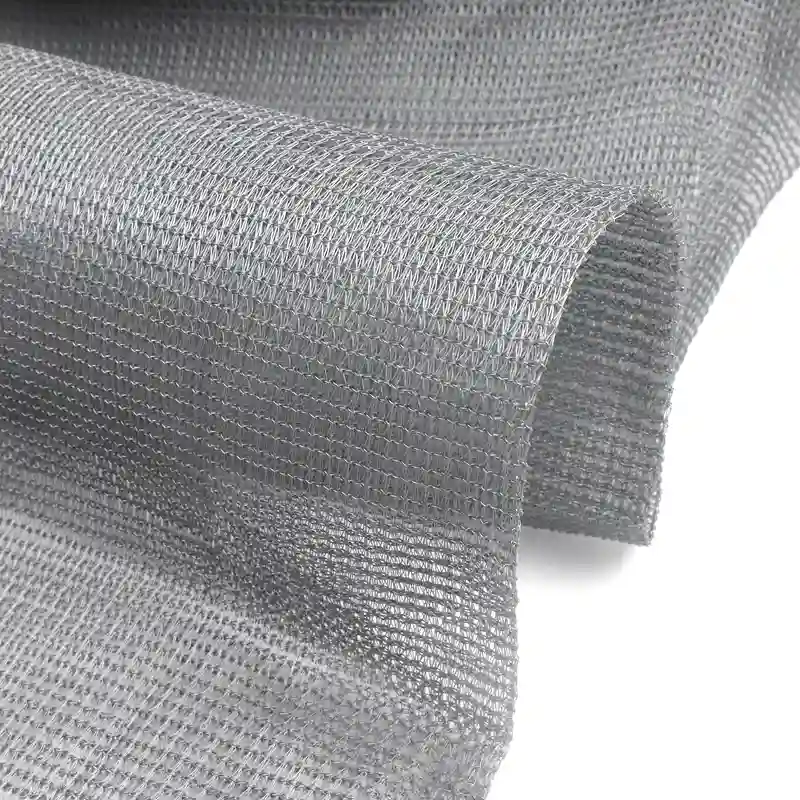
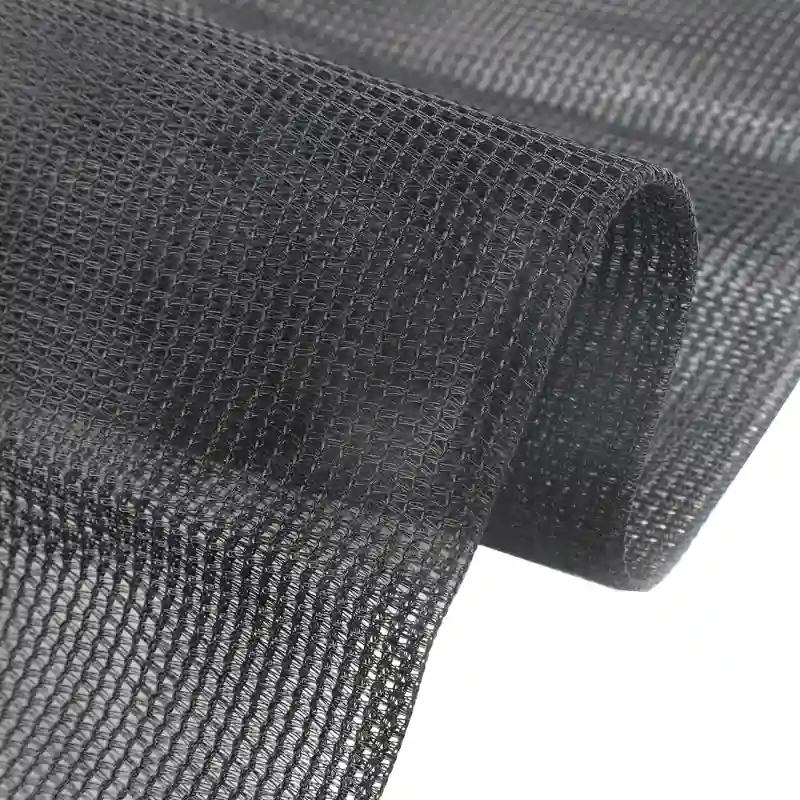
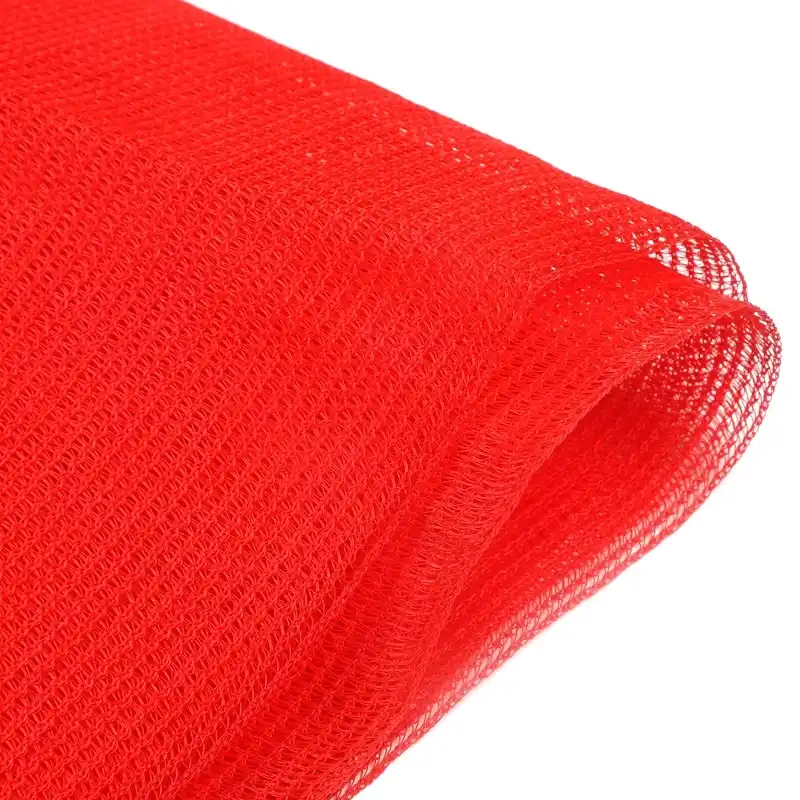
More ColorsBlack / White / Green / Grey / Red (Customizable)

Feature

Reflects a significant portion of solar radiation (up to 50% more than dark nets)

Lowers greenhouse/internal temperatures by 4-10°C compared to uncovered areas

Prevents heat buildup during peak sunlight hours

Scatters direct sunlight into soft, multidirectional illumination

Eliminates harsh shadows and promotes even plant development

Maintains photosynthetic efficiency while reducing light stress

High-strength round monofilament construction withstands hail, wind, and heavy rain

UV-stabilized for 5-8 years of reliable outdoor performance

Resists degradation from chemicals, moisture, and temperature extremes

Creates ideal microclimate for flowering, fruiting, and vegetative growth

Reduces incidence of sunburn, bleaching, and heat stress

Particularly beneficial for ornamentals, vegetables, and high-light sensitivity crops

Image

FAQ
  • What colors are available for the shade net?

    Available Colors:​Black,White,Green,Grey,Red...etc. Custom Colors Available
  • What is the size of the nets ?

    The standard width:3m, 4m, 5m and customizable.
  • What is the lifespan of the shade net?

    Under normal outdoor conditions, our shade net lasts 5-8 years​ thanks to UV-stabilized virgin HDPE material。
  • How do I choose the right shade net for my needs?

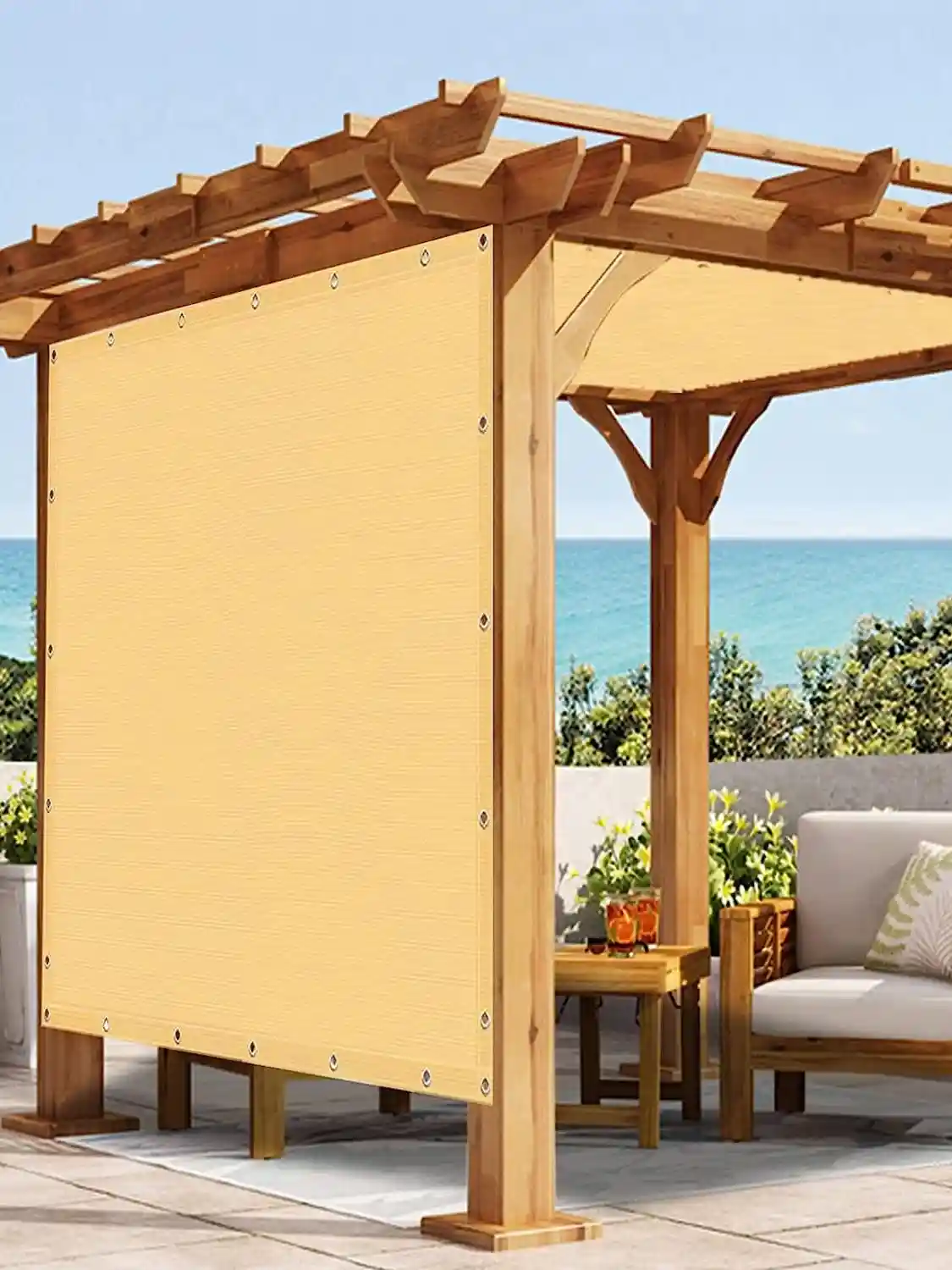
    Select the Shading Rate 30%-50%:​ Light-sensitive vegetables (lettuce, spinach), partial shade ornamentals. 50%-65% (Most Versatile):​ General vegetables (tomatoes, peppers), many flowering plants. 70%-85%:​ Heat-sensitive crops, nurseries, patios, parking lots. 90%-95%:​ Shade-loving plants, intense sun regions, privacy screens.
  • How does the color of shade netting affect plant growth?

    Color is the most important factor to consider when choosing a shade net or fabric, as it greatly affects the final result. Shade nets are available in a variety of colors, but the most common are green and black. White nets reduce the amount of sunlight, making them best suited for flowering plants. Black and green nets, on the other hand, promote faster plant growth because they absorb more heat than lighter-colored nets.
WhatsApp

Leave a message!

Leave a message!